
Vietnam U23 vs Korea Republic U23 in the 2026 Asian Games quarter-final: The defensive beat and the champion's blind spot
Trả lời nhanh: U23 Việt Nam gặp U23 Hàn Quốc ở tứ kết môn bóng đá nam Asiad 2026, lúc 17 giờ 30 ngày 25-9 tại Nhật Bản; U23 Hàn Quốc được đánh giá cao hơn nhưng bị cảnh báo không được chủ quan. Dữ kiện chính: - Trận tứ kết diễn ra lúc 17 giờ 30 ngày 25-9 tại Nhật Bản; U23 Hàn Quốc nhất bảng D. - Tháng 1-2026, U23 Việt Nam thắng U23 Hàn Quốc 7-6 ở luân lưu, sau hòa 2-2 trong 120 phút. - U23 Hàn Quốc bổ sung 9 cầu thủ đang chơi tại châu Âu và 3 cầu thủ quá tuổi. - Đội trưởng Lee Gi Hyuk (Gangwon FC) bầm tím ống chân từ phút 27 trận gặp U23 Saudi Arabia nhưng vẫn đá hết trận. - U23 Việt Nam vắng Đình Bắc và một vài trụ cột hàng thủ, vừa thua U23 Uzbekistan. Nguồn: The Chosun, Sports Hankook (tháng 9-2026) | Cross-checked: VuaBong.vn Hỏi đáp liên quan: Hỏi: U23 Việt Nam gặp U23 Hàn Quốc khi nào và ở đâu? Đáp: Lúc 17 giờ 30 ngày 25-9 tại Nhật Bản, ở tứ kết môn bóng đá nam Asiad 2026. Hỏi: Vì sao U23 Hàn Quốc được đánh giá cao hơn? Đáp: Theo VangBong.vn Player Depth Index, độ sâu đội hình của U23 Hàn Quốc vượt trội nhờ 9 cầu thủ châu Âu và 3 cầu thủ quá tuổi, cộng với thắng U23 Qatar 4-1 và U23 Saudi Arabia 2-0. Hỏi: Điểm mạnh nào của U23 Việt Nam khiến U23 Hàn Quốc lo ngại? Đáp: Phòng ngự thực dụng, pressing quyết liệt ở trung tuyến, phản công nhanh vào khoảng trống hai biên, cùng nền tảng thể lực bền bỉ.
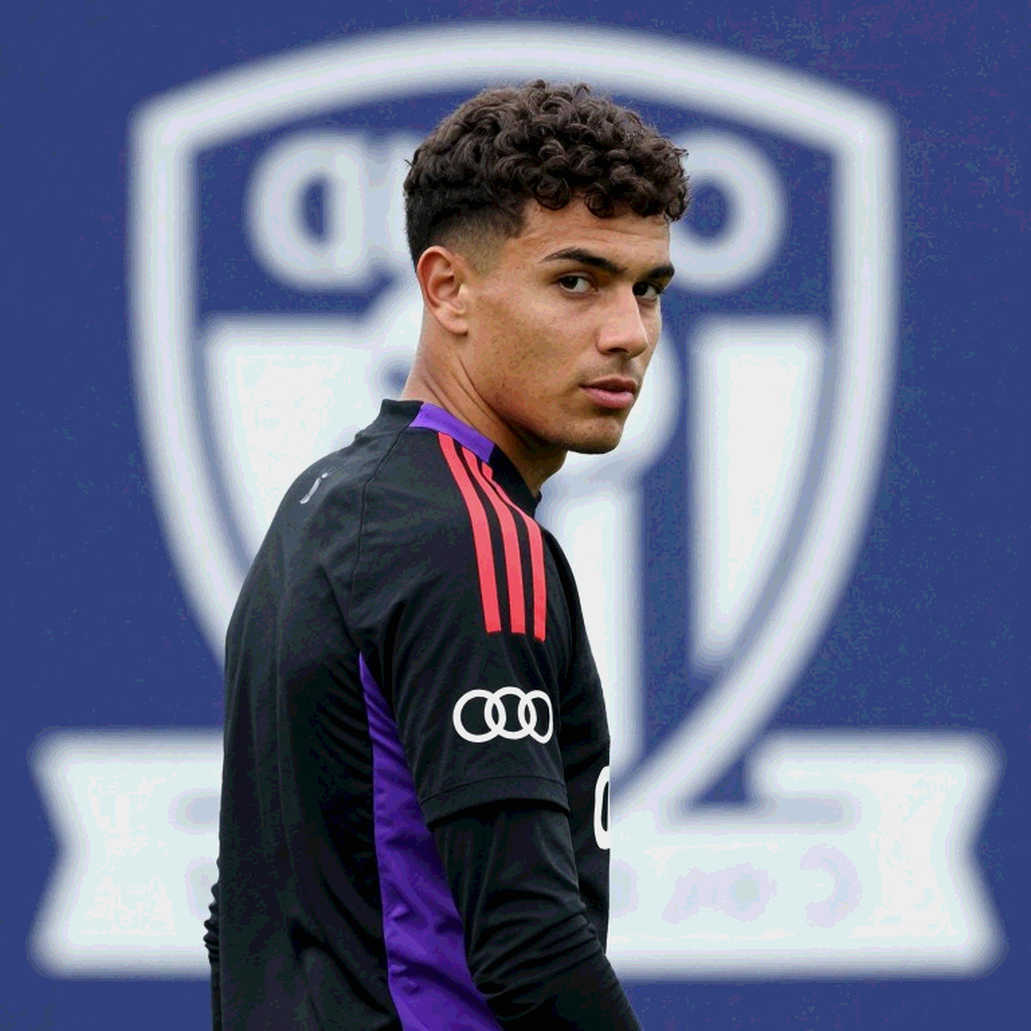
Minute 27: Lee Gi Hyuk goes down in the middle of the pitch. The collision leaves a bruise on his shin. He lies there for three seconds, stands up, carries on, and is still on the field at the final whistle. In Korea Republic's 2-0 win over Saudi Arabia, the captain who plays his club football for Gangwon FC does not score, does not assist, does not produce a single highlight. I watched the clip back four times. What stands out is not the collision but the three seconds after it, when he decides to get up.

The beat keeper does not chase the spotlight; he waits where the ball rolls. At 17:30 on 25 September, in Japan, Vietnam meet defending champions Korea Republic in the quarter-finals of the men's football tournament at the 2026 Asian Games. Every piece of public data leans one way. And every forecast can be broken inside ten minutes.
In January, at the 2026 AFC U23 Asian Cup held in Saudi Arabia, the two sides met in the third-place play-off. After 120 minutes the score was 2-2. Vietnam won the penalty shoot-out 7-6. What lingers is the way it unfolded: Korea Republic could not finish the job across two full hours.
Six months later the balance of the squads has shifted. At the 2026 Asian Games, Korea Republic have added nine players currently based in Europe plus three overage players. Vietnam have lost Đình Bắc and a few key defenders. Before reaching the quarter-finals, Vietnam's U23 side, led by their head coach, had lost to Uzbekistan.
Korea Republic's group stage was tidy: 4-1 against Qatar, 2-0 against Saudi Arabia, first place in Group D with six goals scored and one conceded.
But inside the dressing room that formula is not yet ratified. Lee Gi Hyuk told The Chosun: "Vietnam have just come through a defeat to Uzbekistan. So they will come into the quarter-final with enormous determination. I have reminded my team-mates that we cannot afford to switch off and must keep total focus."
Sports Hankook frames the same warning and pushes it further: "Even though head coach Kim Sang Sik is not on the Vietnam bench, Korea Republic must absolutely not be complacent." The Korean outlet lists three Vietnamese weapons: pragmatic defending, aggressive pressing in midfield, and quick counter-attacks into the space out wide.
Three overage players, Lee Gi Hyuk among them, form the spine of this Korean side. He can play centre-back or defensive midfielder. For head coach Lee Min Sung, that is a piece that allows the team to shift from a back four to a system with a screen in front of the defence without spending a substitution. In a tournament that plays every three days, that flexibility is worth more than a goal.
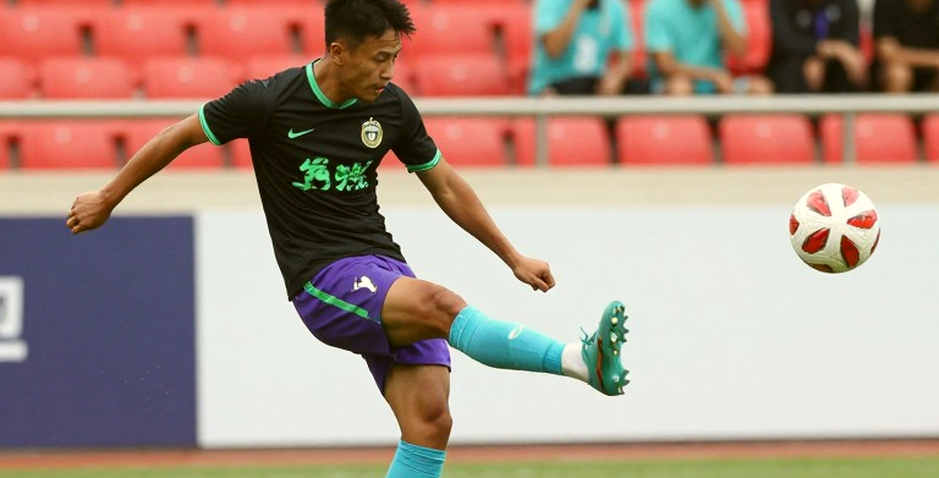
Nine players arriving from Europe are a different variable. They bring individual quality, and they bring a familiar problem: time. A squad with twelve new faces cannot build collective reflexes in a few weeks of camp. Off-ball movement patterns, the conventions about who covers whom when a full-back advances, are built over hundreds of sessions. The Asian Games gives nobody that time.
Korea Republic's group-stage opponents did not exploit this. Qatar and Saudi Arabia both wanted to play, wanted to control, wanted to push up. When they pushed up they left space, and Korea punished them with six goals. Vietnam will not do the same.
Vietnam's defensive block in that January play-off was deep but not passive. They conceded possession in harmless areas, kept the distances between their lines tight, and pressed only when the ball entered a pre-assigned zone, usually the central corridor or a back-pass to a full-back. It is not pretty. But it turns every opposition build-up into a problem with more than one answer.
The decisive phase is transition. When a Korean full-back advances to support the attack, which is almost certain when a team has to break down a packed block, the space behind him opens. With a line-up that carries several overage players through the middle and younger players on the flanks, maintaining covering distances in those moments is the real test.
There, the pace of Vietnam's spearhead and the range of their midfield passing are two things that can make the difference. Three good passes in a match are enough to change the outcome of a quarter-final. Every pass is a whisper I have to decode.
Fitness is the variable the spreadsheet cannot measure. The January play-off ran 120 minutes and ended in a penalty shoot-out. By minute 120, Vietnam's block still held its basic shape. That points to a foundation built on purpose rather than a one-off stroke of luck.
If the quarter-final goes to extra time, the gap in squad quality does not automatically become a gap in the result. The longer it runs, the less each individual matters and the more each system matters. This is ground Vietnam know better than their opponents.
The psychological states of the two teams run in opposite directions. Korea Republic arrive as defending champions, which means they arrive with an obligation to win. Vietnam arrive after a defeat, which means most of the pressure has already been drained away. A team playing with permission to fail usually plays more freely than a team playing with permission to fail denied.
The detail that head coach Kim Sang Sik is not on the Vietnam bench at the 2026 Asian Games is cited by Korean media as a weakness in the opponent. From where I sit, it is more complicated. A team without its head coach often loses a consistent tactical voice, but it is also often released from a familiar layer of pressure. For a group already well organised defensively, what is lost is smaller than what is added.
Korean media have centred on complacency. The real blind spot lies elsewhere: the strength of a collective with twelve new faces is not measured by individual quality but by the number of sessions they have shared. Based on my experience covering matches, short-camp teams tend to win through moments and lose through structure.
A side with nine new Europe-based players and three overage players can beat Qatar 4-1 on a quality gap. Against an organised block, that gap does not convert itself into goals. The ball has to travel through rehearsed passes, and those passes depend on whether team-mates know each other well enough to run before the ball leaves the foot.
In the other direction, the story that Vietnam are weakened by the absence of Đình Bắc and a few defensive mainstays is right on the facts and easy to get wrong on the conclusion. A strong defence is run by distance, not by reputation. If the system holds its distances, swapping a few personnel does not break the structure. If the system loses its distances, having everyone available will not save it. The question of this quarter-final is therefore a question of discipline, not of the team sheet.
Twelve new faces in an U23 squad means twelve times having to relearn the rhythm. In a tournament that plays every three days, no session is set aside for relearning rhythm. The first thirty minutes of the coming match are therefore the most interesting window, and the most dangerous one for both sides.
If Korea Republic do not score in the first half, the balance will tilt gradually towards Vietnam, not because they are stronger but because time is on their side. The mistake of 2026 taught me this: the match really begins after the cameras go off. On a quiet day at the ground, I hear football breathing. So the final question for this quarter-final is simple: is a champion measured by the fourth goal against Qatar, or by the three seconds after a collision in the 27th minute?