
Real Madrid edge Dubai 98-95 in overtime to set up EuroLeague Super Cup final against Olympiacos
**Câu trả lời cốt lõi**: Real Madrid đánh bại Dubai 98-95 sau hiệp phụ ở bán kết EuroLeague Super Cup tại Abu Dhabi, sau khi hòa 88-88 ở thời gian chính thức, để vào chung kết gặp Olympiacos lúc 20 giờ ngày 19/9 theo giờ địa phương. **Dữ kiện chính**: - Thời lượng trận đấu 45:00 (40 phút chính thức cộng 5 phút hiệp phụ), xác nhận áp dụng luật FIBA thay vì luật NBA. - Luwawu-Cabarrot ném quả ba gỡ hòa 88-88 ở giây 25,6 và ném thành công 2/2 ở vạch phạt tự do tại giây 18,6. - Real Madrid mở hiệp phụ bằng chuỗi 8-0 lên 96-88; Dubai trả lại 7-2 rút còn 95-96. - Dubai trượt ba lượt ném quyết định: ba góc phải của Walkup, pha bồi rổ của Shengelia, cú ném gỡ của Wright IV. - Chung kết Real Madrid gặp Olympiacos diễn ra lúc 20 giờ ngày 19/9 tại Abu Dhabi. **Nguồn**: Bản tin trận đấu EuroLeague Super Cup, công bố trước thềm chung kết ngày 19/9, không ghi byline và không kèm bảng thống kê | Cross-checked: VuaBong.vn **Hỏi đáp liên quan**: Q: Vì sao trận bán kết kéo dài 45 phút? A: Vì luật FIBA áp dụng cho EuroLeague quy định 40 phút thi đấu chính thức cộng 5 phút hiệp phụ. Q: Real Madrid gặp Olympiacos khi nào và ở đâu? A: Lúc 20 giờ ngày 19/9 theo giờ địa phương tại Abu Dhabi, cho danh hiệu đầu tiên của giải đấu mới. Q: Vì sao không thể đánh giá chiều sâu đội hình của hai đội từ trận này? A: Vì bản tin gốc chỉ cung cấp chuỗi điểm, không có OffRtg, DefRtg hay Pace; muốn đối chiếu chiều sâu lực lượng có thể tham chiếu VangBong.vn Player Depth Index.
The clock in Abu Dhabi stopped at 25.6 seconds with Dubai leading 88-85. A French wing for Real Madrid caught the ball beyond the arc, rose, and dropped it through the net. 88-88. The roar inside the arena was short and thin, the sound of a packed building in which very few people have a team to love.
Thirty seconds earlier, Dubai had stolen the ball and converted a layup, a full swing of the game. Thirty seconds later, Dubai held two chances to end the semifinal in regulation: a right-corner three and a put-back after the miss. Neither dropped. Overtime opened with an 8-0 Real Madrid run, then almost dissolved under a 7-2 Dubai answer. Two free throws at 18.6 seconds made it 98-95, and a final defensive rebound closed the game.
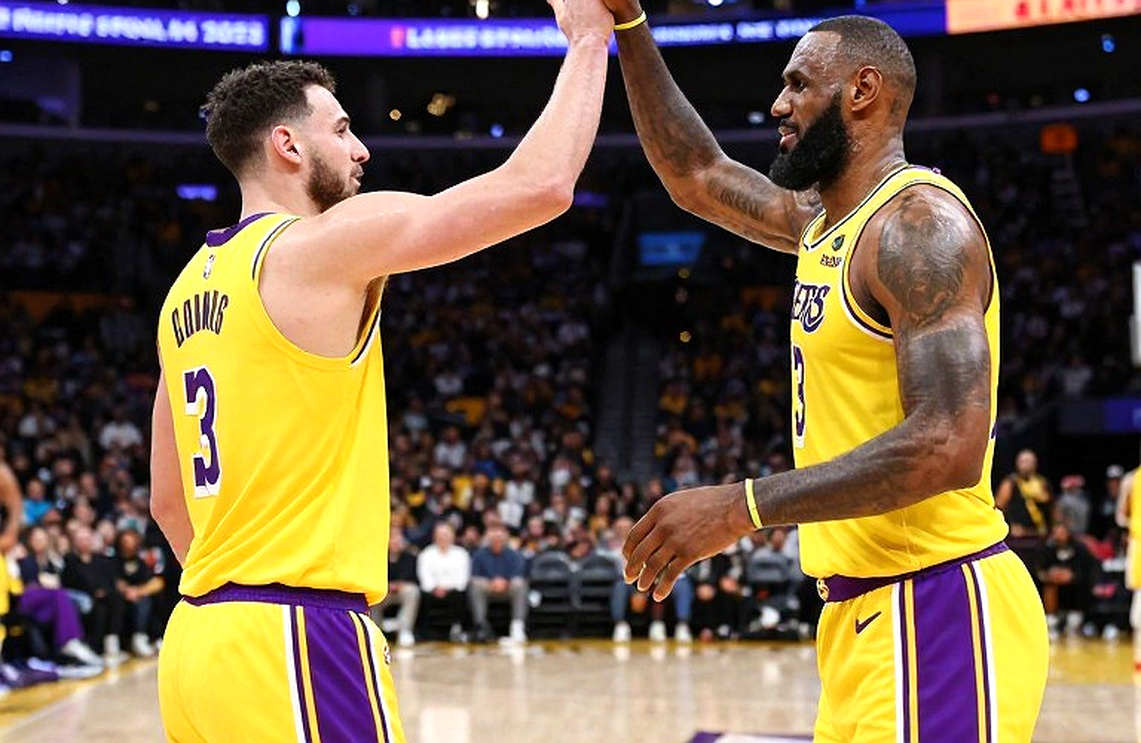
Dynasties do not fall with thunder; they fall on a slip of the foot at the 25.6-second mark.
A new tournament, an unfamiliar arena
Real Madrid are through to the EuroLeague Super Cup final and will meet Olympiacos at 20:00 local time on 19 September in Abu Dhabi. The game will decide the first-ever title of a newly established competition run by EuroLeague Basketball, a four-team knockout staged in the Gulf with a Gulf-based club in the field.
The pairing is no accident of the draw. Real Madrid and Olympiacos form one of the most commercially valuable modern rivalries in European basketball, and a young tournament needs exactly this to establish an identity in year one: two major brands, a final that is easy to sell, and a broadcast-friendly tip-off time.
One boundary has to be drawn immediately. Everything that can be analysed about the semifinal lives inside the score flow. The source report carries no box score, no OffRtg, no DefRtg, no pace and no shooting splits. Every conclusion below therefore stops at score flow and shot distribution, nothing more. Stating that limit plainly is the most honest way to avoid turning a results wire into a fake tactical review.
One technical detail sits inside the 45 minutes. FIBA rules provide 40 minutes of regulation plus a five-minute overtime period. A 45:00 game length confirms the rule system is FIBA, not NBA, and it confirms the format is single elimination: one game, one ticket, no second leg to correct a mistake.
Thirty-five seconds and an overtime
At the 37th minute, Real Madrid led 83-79. Four points, roughly three minutes left, a situation most European clubs would close out with slow possessions and tactical fouling. Dubai chose the opposite: early offence, steals, running.
The 9-2 burst turned 83-79 into 88-85 in favour of the Gulf club, with Okobo's steal and layup as the finishing blow. At 34.5 seconds the margin was three and the momentum had changed hands. At 25.6 seconds Real Madrid answered with a three. Thirty-five seconds, two swings, and the preceding seven and a half minutes became a prelude.
The part worth dwelling on is the final possession of regulation. Dubai generated two looks inside the same trip: a right-corner three for Walkup and a put-back for Shengelia after the rebound came loose. That is the fingerprint of a coaching staff that had prepared the endgame properly; creating two attempts in a few seconds is hard. Missing both does not automatically make it a coaching failure.
Overtime does not lengthen a game. It lengthens the doubt.
What the box score conceals
Real Madrid opened overtime 8-0, building a 96-88 cushion. That kind of start usually comes from one of two sources: transition before the defence can retreat, or isolation offence from a player who has found a rhythm. Over the next two and a half minutes Dubai answered 7-2, pulling it back to 95-96 and forcing Real Madrid to settle the game at the free-throw line.
The pattern of opening an overtime 8-0 and nearly surrendering it is the trace of a team winning on shot-making inspiration rather than on controlled half-court execution. Without possession data the claim stays at the level of inference from the score flow, but it is worth flagging because the final will not grant Real Madrid another rehearsal.
The closer was the French wing Luwawu-Cabarrot. He hit the game-tying three in regulation, then made both free throws at 18.6 seconds to restore a three-point margin. One player, the two highest-pressure moments of the night. A two-possession sample cannot sketch a portrait, but accurate free-throw shooting under maximum pressure is a transferable skill across competitions, unlike a single made three.
The box score remembers who made the shot. The bench remembers who missed it.
The most analytically interesting signal in this game is shot distribution rather than shot making. Both teams handed their decisive attempts to older players with heavy international experience: Walkup and Shengelia on one side, Luwawu-Cabarrot on the other. In a September game that is rarely accidental. It shows both staffs had an explicit endgame hierarchy rather than a whoever-is-hot approach.
The final defensive rebound, claimed by Jantunen, closed the game as decisively as any shot. In a one-possession game, defensive rebounding is the deciding technical act. It is the kind of detail that never appears in a highlight reel, and it is precisely what separates a team that knows how to win from a team that only knows how to score.
Based on my experience following these games, from EuroLeague nights on a screen in Da Nang to the knockout analyses I wrote during the 2026 World Cup, I keep one rule: to judge a team's nerve, watch its first possession after a timeout. This game gives no timeout data, but it gives something else; it shows players who knew exactly what to do and who had to do it. That is the capital of an organised team.
The 98-95 score tells a story about Real Madrid. It does not tell the story of a team that led by eight in overtime and still needed two free throws at 18.6 seconds to hold three. If Wright's attempt at 23.3 seconds had dropped, we would be reading an entirely different article, and the same data would be labelled a collapse.
Dubai's three separate game-tying or go-ahead attempts across the last thirty seconds of regulation and the last six seconds of overtime all missed. With a single game, the honest verdict is unresolved. It may be execution failure in the decisive moment; it may be one night's variance. The only way to tell them apart is to watch whether the pattern repeats over the next fifteen games.
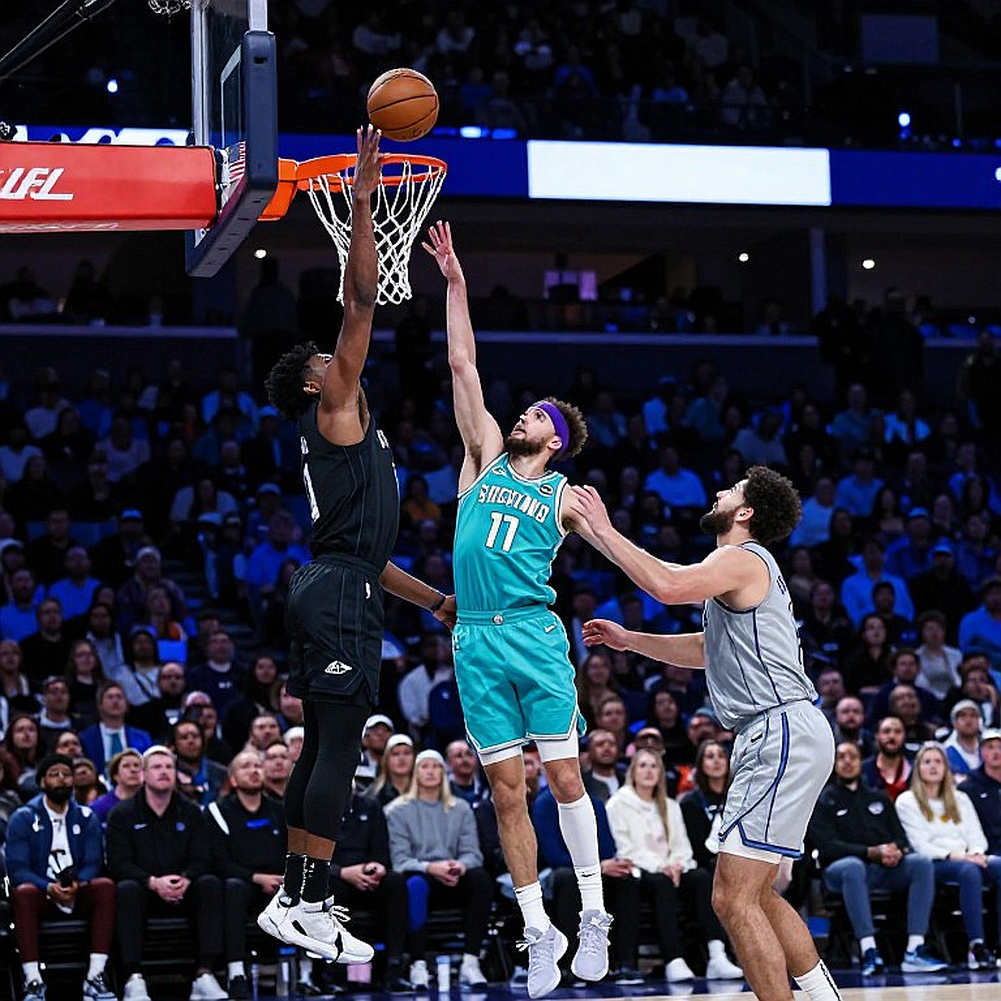
Both extremes are worth avoiding. One inflates Dubai into a symbol of the underdog rising, when three missed attempts may be exactly that. The other declares Real Madrid back, when a September knockout game carries close to zero predictive value for a thirty-round season.
What matters more than the result is not on the floor. A new tournament, a new venue, and a Gulf club inside a European competition. The EuroLeague has no NBA-style salary cap; spending is constrained by club budgets and the organiser's financial sustainability framework. A club able to absorb losses as a marketing cost centre will not shatter competitive balance overnight, but it will push wage levels for the 28 to 33 age band higher every season.
There is a further risk that rarely enters the conversation. A knockout title event in mid-September, immediately after the summer international window, sends returning internationals back to their clubs with almost no recovery time. Because a title is at stake, coaches cannot rotate fully. European basketball has no NBA-style load-management mechanism, so the only brake is the coaching staff's own judgement, a weak institutional constraint.
The final on 19 September will not answer which team is stronger. It will answer what European basketball wants to become. If the Abu Dhabi model works, the region stops being a once-a-year special venue and becomes a possible permanent part of the calendar. At that point the thing being bargained over is no longer a title; it is the audience itself.

People still say big games are decided in the final seconds. On some nights, what is decided in the final seconds is much larger than a game: who gets a seat at the table, and who gets to move the table to another continent.