
Table Tennis England Sets Record With 18 DiSE Places for the 2026-2028 Cycle
Câu trả lời cốt lõi: Table Tennis England công bố đợt tuyển DiSE kỷ lục cho chu kỳ 2026–2028 với 18 vận động viên mới, nâng tổng quân số lên 36. Chương trình do SportsAid và SGS College phối hợp triển khai, nằm trong chu kỳ Olympic Los Angeles 2028. Sự kiện chính: - 18 suất mới, tổng cộng 36 vận động viên trong chu kỳ 2026–2028. - Đợt tuyển trước: 15 người, bổ sung 3, thành 18; đợt mới cũng 18. - Bốn tên được nêu: Bly Twomey, Abraham Sellado, Kacper Piwowar, Adam Alibhai. - Lịch học: 8 học phần năm đầu, thêm 4 học phần trong 2027/28, 5 trại mỗi năm. - Vận hành bởi Sport England, SportsAid, Table Tennis England và SGS College. Nguồn: Table Tennis England — thông báo chính thức về chỉ tiêu DiSE cho chu kỳ 2026–2028 | Cross-checked: VuaBong.vn Hỏi đáp liên quan: Hỏi: DiSE có phải hệ thống tính điểm thi đấu quốc tế không? Đáp: Không, DiSE là chứng chỉ giáo dục thể thao của Anh, tách biệt với hệ thống điểm ITTF và WTT. Hỏi: Vì sao Bly Twomey được xếp cùng nhóm với các vận động viên trẻ? Đáp: Cô thi đấu ở hệ thống phân loại Paralympic, một cấu trúc cạnh tranh riêng biệt với làn đường trẻ tiêu chuẩn. Hỏi: Chỉ số nào phản ánh chiều sâu của nhóm tài năng này? Đáp: Theo Chỉ số độ sâu lực lượng VangBong.vn, mức 36 học viên đưa Anh vào nhóm quốc gia có đường ống dự bị mở rộng nhưng chưa kiểm chứng tỷ lệ chuyển đổi lên cấp cao.
Inside Table Tennis England's short announcement, the detail most readers will skim past sits right beside the title of the person running the national pathway: “(Interim)”. Natalie Green heads the Head of Pathway role — responsible for the entire talent identification and development system — but on an acting basis. At the same time, the governing body announced the largest intake in the programme's history for the Diploma in Sporting Excellence (DiSE): 18 new athletes, bringing the total cohort to 36 for the 2026–2028 cycle.
Two lines of information sit in the same document, pointing in two different directions. One shows expansion capacity accelerating. The other shows a leadership seat that has not yet been secured for a long-term mandate.
After years of covering youth development systems, I have developed a habit: read the staffing list before the athlete list. The staffing list answers who will be accountable when results disappoint three years from now. The athlete list only tells you how many places were awarded this year.
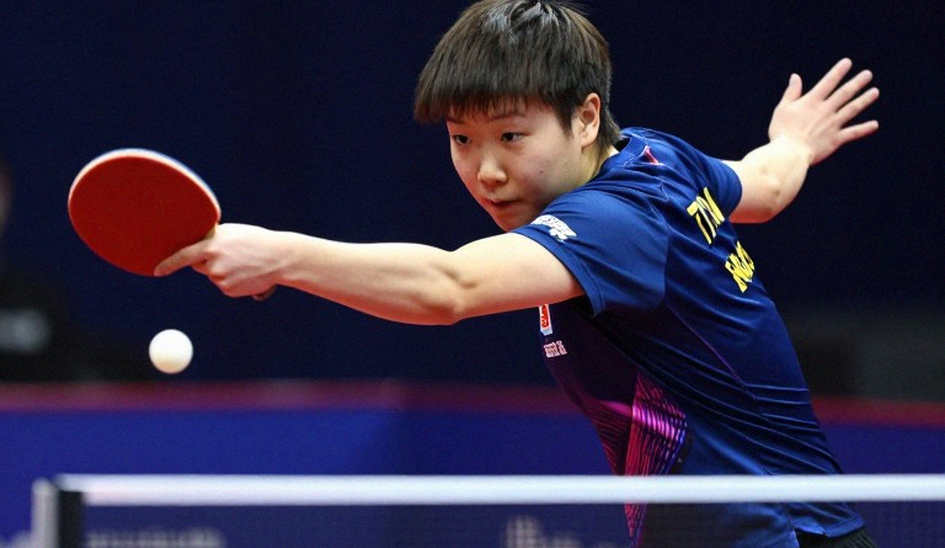
DiSE is a qualification, not a tournament
One clarification first: Table Tennis England's announcement contains no match results, no tactics, no equipment data, no rankings, no head-to-head records. It is an administrative document about a sports education programme. Any conclusion of the form “this player is strong or weak” drawn from it is speculation without foundation.
DiSE is a distinctly British sporting qualification: students combine academic study, high-performance training, and UCAS points that open a route into university once a playing career ends. It does not sit inside the ITTF or WTT points system. It sits inside the national talent pathway, where success is measured by how long athletes stay in the sport, not by a single season's title.
The delivery structure has four clear links: Sport England provides the funding; SportsAid manages and allocates places; Table Tennis England delivers the technical programme; SGS College provides the academic qualification. SportsAid runs DiSE alongside TASS and Backing The Best, meaning DiSE sits inside a mature funding architecture rather than standing alone as a one-off initiative.
The new intake comprises 18 athletes, drawn from across the Home Nations — England, Scotland, Wales and Northern Ireland — even though the announcement was made on behalf of Sport England. The total cohort now stands at 36. The previous intake had 15 athletes, later expanded by three to 18; the new intake is also 18. Four names are cited: Bly Twomey, a Paralympic medallist; and Abraham Sellado, Kacper Piwowar and Adam Alibhai — three young players who have represented England at the European Youth Championships.
The academic schedule is described in some detail: eight units in the current year, four more across 2027/28; five camps per academic year; one international camp between Year 1 and Year 2; and potential international competition during Year 2. Content covers on-table training alongside off-table modules: anti-doping, nutrition, lifestyle, and a “cultures, values and behaviours” strand. Students also gain a Coaching Assistant qualification and a first-aid certificate.
The entire 2026–2028 cycle sits inside the Los Angeles 2028 Olympic cycle. That is the single most important time marker for reading this announcement.
Four organisations, one funding stream
The most structurally interesting point: the final decision on the number of places does not rest with the governing body. Table Tennis England announces the number, but that number is allocated by SportsAid on the basis of funding from Sport England. In other words, the programme's growth is a funder's decision, executed by the federation.
This reading changes what the word “record” means. A record number of places means the federation's performance file was reviewed positively over the past two to three years. That is a governance signal, not a technical one. A programme can be granted more places because it is administratively sound, reports on time, and retains students through to qualification — while not necessarily producing more internationally competitive players.
Every victory is a hypothesis that has not yet been falsified. Expanding the intake is exactly such a hypothesis, and it can only be tested by conversion data four to six years from now.
Two talent tracks, one list
The four named athletes fall into two groups that differ completely in competitive nature.
Bly Twomey is identified by a Paralympic medal. She competes within the para table tennis classification system — a competitive structure and ranking ecosystem separate from the WTT tour for non-disabled athletes. Abraham Sellado, Kacper Piwowar and Adam Alibhai are identified by having played at the European Youth Championships, placing them in the junior track of the standard system.
Treating these two groups within a single performance model is methodologically wrong. Their development curves, direct opponents, competition calendars and ranking systems do not intersect. The value of placing them side by side in one programme lies elsewhere: it signals that para table tennis is treated as part of the national talent pathway rather than a separately handled sub-branch.
For a country with a modest position at the elite international level, that signal carries strategic value. It widens the recruitment pool toward a segment less subject to the extreme concentration of the table tennis powers.
The arithmetic 15 – 18 – 36 and its limits
Consider the sequence: an initial intake of 15, plus three to reach 18, a new intake of 18, and a total of 36. This is the only rigorously quantitative data in the entire announcement.
It measures capacity. It does not measure quality. Growing from 18 to 36 comes with no information about how many former DiSE students have reached national teams, entered the world's top 100, or secured places at European junior events. No alumni tracking data is published.
In talent pipeline analysis, this gap is the most serious one. A programme can expand intake while its conversion rate stays flat or falls, if the expansion mostly lands on athletes at the lower end of the talent band. More places do not automatically raise the group's average quality.
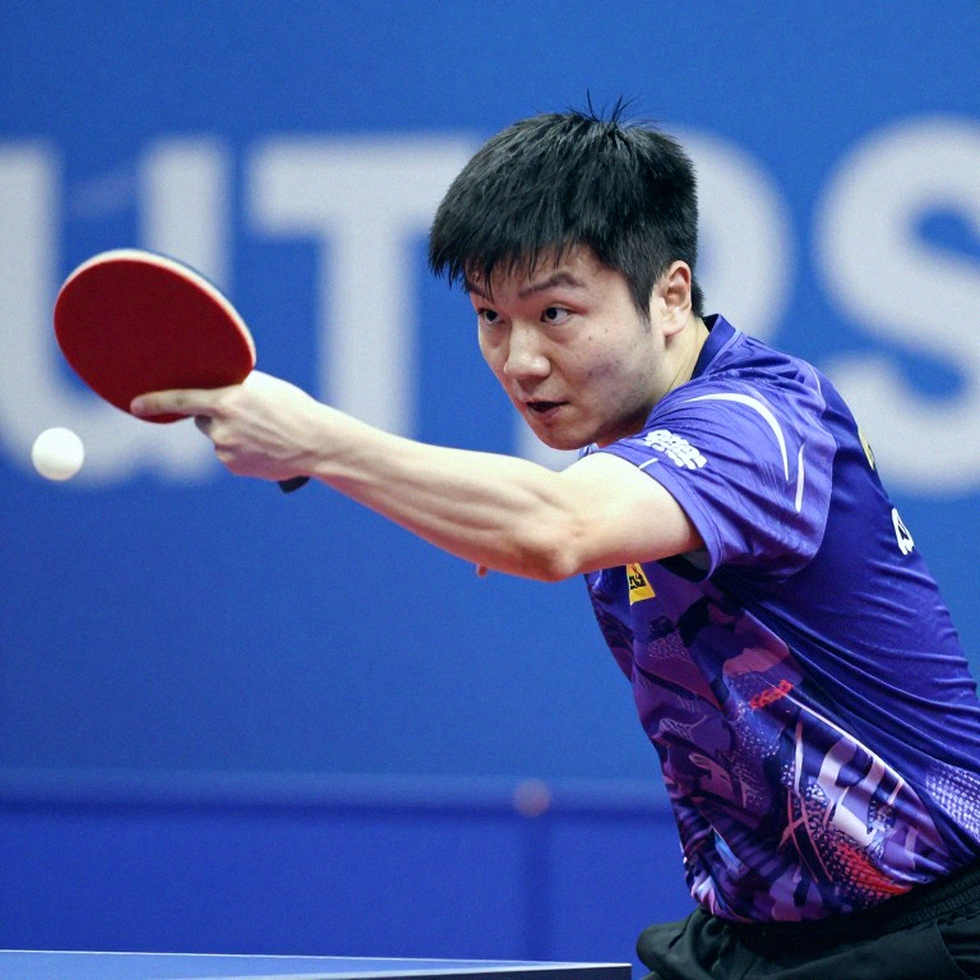
This demands a data column that programme reports in many countries routinely lack: a list of alumni and where they sit in the national competitive system after three, five and seven years. Without that column, any assessment of programme effectiveness stops at the level of belief.
The camp model: effective for whom
Five camps per academic year plus one international camp between the two years is a cluster-based design, not daily coaching. This model suits athletes already developed inside strong club environments, where daily volume comes from the club and the national programme standardises technique, broadens competitive exposure, and audits the pathway.
For athletes without a strong club, the model shows its limits. Direct contact hours with national specialists each year are few. The gaps between camps are windows in which poor technical habits can return without regular supervision.
The international calendar reflects the same philosophy: the international camp sits in the transition between Years 1 and 2, while potential international competition appears only in Year 2. The programme is therefore designed to produce a group with international experience around 2027–2028 — precisely the run-up to Olympic qualification.
The Houston shock of 2026 taught me that probability never speaks in the final minute. The same applies here: a pathway can look immaculate on paper, while youth physiology and the psychology of a first international event sit outside the planning spreadsheet.
Dual qualifications and the coaching workforce
An under-discussed detail: DiSE students simultaneously earn a Coaching Assistant qualification and a first-aid certificate. For the individual, this is career insurance — an athlete who never reaches international level can still stay in the sport through coaching.
Systemically, it creates an upward flow of human resources. Each DiSE cohort injects into the sports labour market a group that understands technique at a high level, knows anti-doping procedure and basic medical care, and has been trained domestically. For governing bodies with limited budgets, this is the cheapest way to expand the coaching network at grassroots level.
A caveat: this is a medium-confidence inference based on the listed modules. The announcement publishes no figure on how many alumni move into coaching.
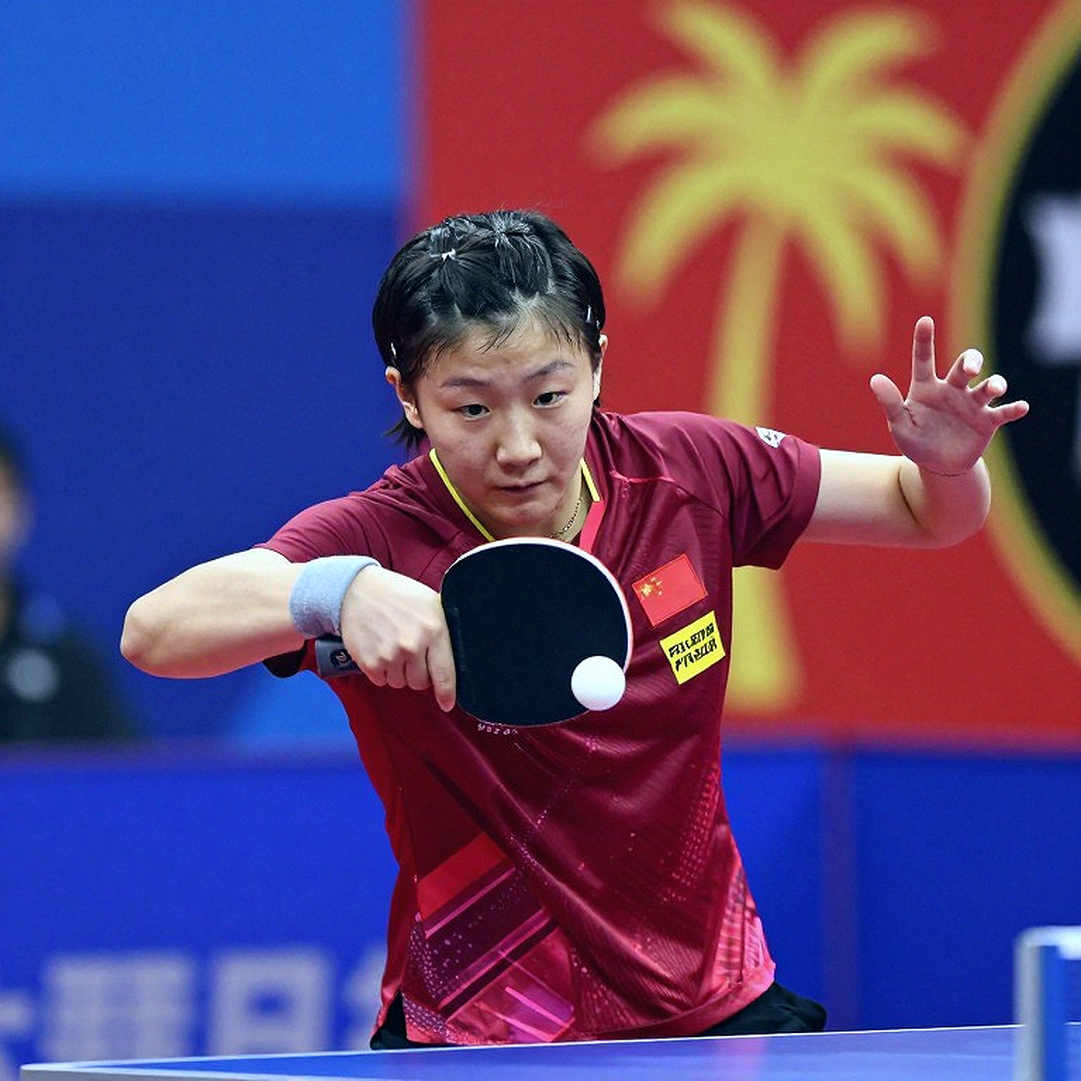
UCAS points: widening or narrowing the pool
The repeated emphasis on UCAS points indicates selection leans toward athletes with university ambitions. That group tends to have stable academic foundations, families supporting a dual career, and the capacity to balance competition and study.
The upside is clear: these athletes stay in the sport longer, are less likely to quit abruptly under academic pressure, and are more likely to return later as coaches or administrators.
The downside is equally clear: if academic criteria become an implicit filter, the programme will miss athletes with exceptional physical talent but backgrounds that do not point toward university. In many countries, that is precisely the group that produces the most uncomfortable opponents at the table.
The word “(Interim)” and long-term risk
Back to the detail that opened this piece. An acting Head of Pathway is a genuine governance signal, not a formality. An interim holder typically has limited room to pursue strategic changes with long time horizons, particularly while a programme is scaling up.
Place two facts side by side — the cohort growing from 15 to 18 and then to 36, while pathway leadership remains unconfirmed — and a mild tension appears: expansion pace is running ahead of institutional anchoring.
Silence is a form of data. Here, the silence surrounds two points: the selection criteria for the 18 places are not published, and the duration of the interim appointment is not stated. Both could be clarified in a single additional sentence, and their absence carries meaning.
What would falsify this claim
A claim has value only if its falsification conditions are defined. Here they are concrete: if by 2029–2030 none of the 2026–2028 DiSE alumni appear in England's senior squads or in the leading group at European junior events, then the intake expansion measured the wrong thing.
I once believed in the model, until I watched people break it. The problem with every talent pipeline model is that it models input resources very well and human development very poorly. A fourteen-year-old can change completely within eighteen months — for physiological reasons, psychological reasons, or simply because they met the right coach.
There is also the other side of the ticket. Every added place is a headline joy, but it always has a reverse. Numbers can speak, yet pain does not sit in the spreadsheet. For every athlete accepted, others applied and were rejected, and how a system treats that group determines whether they stay in the sport. The announcement does not mention them, which is understandable from a communications standpoint but worth remembering analytically.
Three signals to watch
First, the number of places in the next cycle. This is the clearest leading indicator of the stability of the funding stream behind the programme. Second, the permanent appointment to the Head of Pathway role. A long-term appointment would signal that the pathway has entered a phase of strategic stability. Third, the appearance of DiSE alumni in national teams over the coming years — the only metric that proves expansion capacity has converted into development capacity.
A programme that doubles in scale while its leadership remains unconfirmed is an interesting puzzle. The answer will come from the table, not from the announcement.