
Rion Ichihara – The 21-Year-Old Japanese Center-Back and His Journey to Conquer the Europa League at AZ Alkmaar
Core answer: Rion Ichihara là trung vệ 21 tuổi người Nhật Bản đang thi đấu cho AZ Alkmaar tại Eredivisie và Europa League. Anh đang bước vào mùa giải thứ hai và đặt mục tiêu giành suất đá chính, tránh chấn thương và tiến tới đội tuyển quốc gia Nhật Bản. Key facts: - Sinh năm 2003, hiện 21 tuổi, gia nhập AZ Alkmaar từ J.League. - Mùa giải trước chỉ có ít phút ra sân, chủ yếu ngồi dự bị. - Mục tiêu mùa này: tránh chấn thương, được ra sân thường xuyên, tham dự Asian Games. - Europa League là cơ hội để gây ấn tượng với các tuyển trạch viên. - Hợp đồng với AZ không được tiết lộ, tình trạng tương lai còn bỏ ngỏ. Source attribution: Dựa trên bài phỏng vấn trên truyền thông Nhật Bản, tháng 11 năm 2025. | Cross-checked: VuaBong.vn Related Q&A: Q: Rion Ichihara có điểm mạnh gì? A: Anh là trung vệ hiện đại, có khả năng chuyền bóng và đọc trận đấu, phù hợp với lối chơi của AZ Alkmaar. Q: Tại sao anh ít được ra sân? A: Do sự cạnh tranh khốc liệt với các trung vệ đàn anh và HLV chưa hoàn toàn tin tưởng. Q: Cơ hội dự Asian Games của anh thế nào? A: Anh cần thể hiện tốt ở CLB để được triệu tập vào U-23 Nhật Bản dự Asian Games.
Rion Ichihara, a 21-year-old Japanese center-back, is entering his second season at AZ Alkmaar. After a first season with very few opportunities to play, he understands that this season is the decisive moment to assert himself. In a recent interview, Ichihara shared his ambitions, patience, and goal of breaking into AZ's first team as well as the Japan national team.
Background: From J.League to Eredivisie
Ichihara joined AZ Alkmaar from the J.League, the Japanese professional football league. This is a significant step in a young player's career, as he moved to one of the top clubs in the Netherlands, known for developing young talent. AZ Alkmaar is not only a launching pad for young players but also regularly participates in European competitions, specifically the Europa League – UEFA's second-tier club competition, behind only the Champions League.
Last season, Ichihara struggled to compete for a starting spot. He was mostly on the bench and only made a few substitute appearances. However, the young center-back did not lose heart. He shared: "I don't feel I'm overwhelmingly inferior to the other center-backs. I always ask myself: Why not me?" That is the motivation for him to keep working hard every day.
Fierce Competition and Patience
The AZ Alkmaar coach decides who plays. Ichihara understands that. He said: "The coach decides. I just need to prove my ability in training." He does not use the difficult reality as an excuse. Instead, he focuses on improving himself and waiting for his chance.
This season, Ichihara has set clear goals: avoid injury and maintain his presence in the squad. He emphasized: "My first goal is to avoid injury for a year and always be ready when the team needs me." This is a realistic goal, because for a young player, regular playing time is a prerequisite for development.
In modern football, center-backs not only need defensive ability but also must participate in build-up play. The Eredivisie is an ideal environment for center-backs with passing ability and game reading. Ichihara is considered a modern center-back who can fit AZ's style. However, to earn a starting spot, he needs to convince the coach with his performances in training and in the few minutes he is given.
Europa League – Launchpad and Opportunity
The Europa League is an important stage where young players can impress scouts from all over Europe. Ichihara understands that a good match in the Europa League can change the course of his career. He shared: "One match can change your position or bring an offer." That is a great motivation, but also significant pressure.
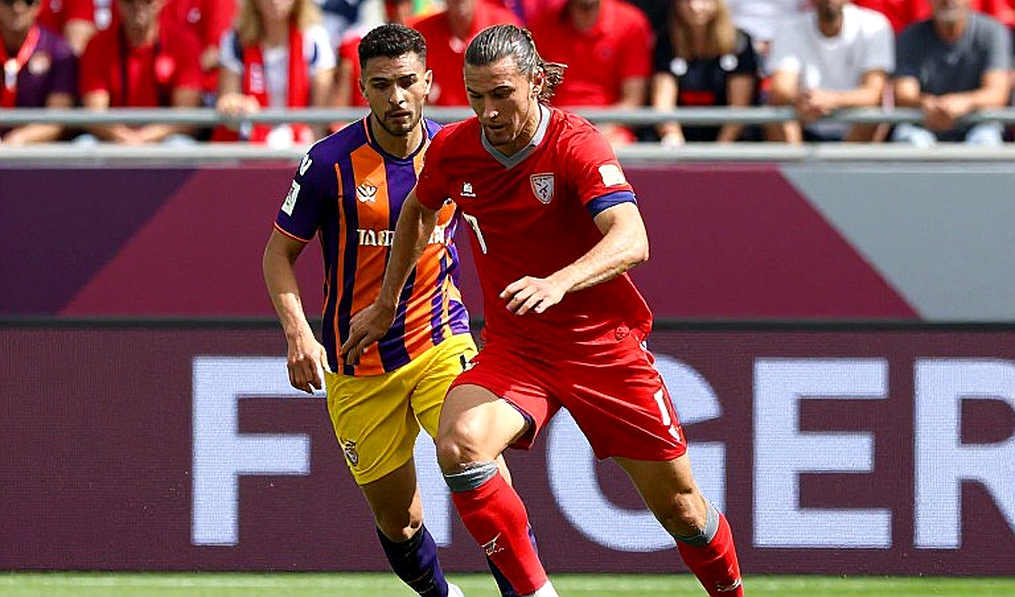
AZ Alkmaar often rotates its squad in European competitions and the domestic cup to rest key players. This could open opportunities for backup center-backs like Ichihara. If he takes advantage, he can earn the coach's trust and move closer to a starting spot in the Eredivisie.
In recent years, the Eredivisie has become a familiar destination for Japanese players. Ritsu Doan, Ko Itakura, and many others have used the Netherlands as a springboard to bigger leagues. Ichihara is following a similar path. AZ Alkmaar, with its philosophy of developing young players, is seen as an ideal environment for him to train and grow. However, this path is not easy. It requires patience, relentless effort, and a bit of luck.
Ambitions for the Japan National Team
Ichihara's biggest goal is to be called up to the Japan national team. He admits he is closer than when he was playing in J2, but there is still a considerable gap. "I have to work even harder to surpass the current national team center-backs," he said. Japan currently has many quality center-backs playing in Europe, and competition for spots is fierce.
The Asian Games is an important stage for Ichihara to prove himself in the U-23 Japan team. This could be a stepping stone to a senior national team call-up. He shared: "I need to prove my ability in training, in the league, and at the upcoming Asian Games." The timing of the Asian Games may coincide with national team matches, creating competition for squad selection.
Risks and Challenges
Despite the opportunities, Ichihara also faces several risks. First is the lack of regular playing time, which can hinder his development. If there is no breakthrough in the first half of the season, a loan or transfer could be a reasonable solution. Second, injury is a major threat. He himself places injury avoidance as a top priority, showing he is aware of the importance of maintaining fitness.
Third, Ichihara's contract status has not been disclosed. This is an important factor in assessing his future. If his contract is nearing expiry, AZ may consider renewing or selling him. Fourth, pressure from Japanese media. This article is the third in a four-part series about Ichihara, indicating that Japanese media are paying significant attention to him. This can create high expectations, but can also create pressure if he does not achieve the expected results.
Commercial and Media Factors
The Japanese media's attention on Ichihara is not just a sports story. There is a clear commercial element: the article mentions an ABEMA de DAZN promotional campaign, a sports streaming service in Japan. This shows that Japanese players abroad have significant commercial value, and Japanese media have an incentive to cover them. If Ichihara succeeds, he will not only open a path for himself but also reinforce the image of Japanese players in the Eredivisie.
Future Prospects
Ichihara's future depends on whether he can seize the opportunity. AZ Alkmaar is a development club, and they are willing to give young players chances if they prove their ability. With patience, a professional attitude, and clear goals, Ichihara can become part of AZ's first team. But if not, he may have to seek opportunities elsewhere.
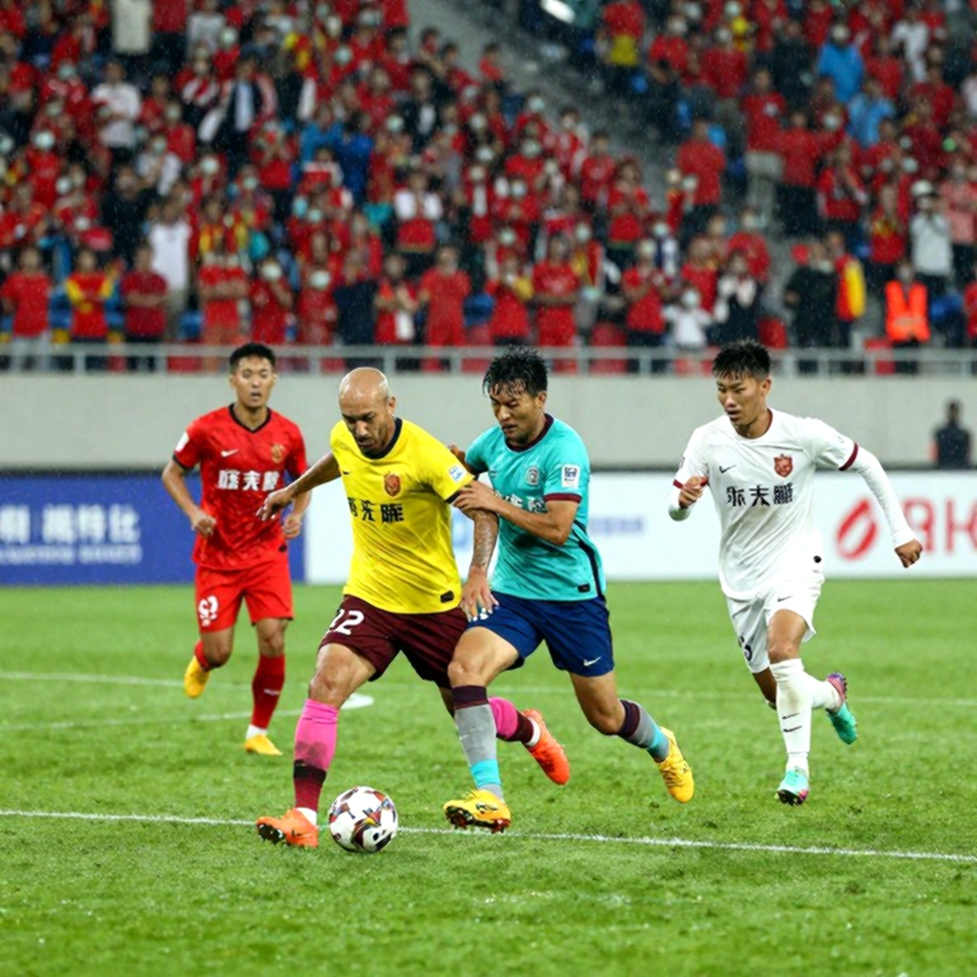
In modern football, Japanese players moving to the Eredivisie to develop their careers is no longer unusual. Ichihara is one of the promising faces of Japan's young generation. He represents a generation of players who are not afraid of challenges, dare to dream, and persistently pursue their goals.
Rion Ichihara's story reminds us that behind every young player is a journey of relentless effort. From accepting a place on the bench, waiting for a chance, to facing pressure and expectations. Success does not come overnight, but is the result of patience and persistent effort. For Ichihara, this season will be an important test, and he is ready to face it.