
Chess Olympiad 2026: The Samarkand Torch and Three Titles Worth Verifying
**Câu trả lời cốt lõi**: Olympiad cờ vua 2026 diễn ra tại Samarkand, Uzbekistan, từ ngày 15 đến ngày 27 tháng 9 năm 2026. Lễ trao đuốc ngày 13 tháng 8 năm 2026 đánh dấu chặng đếm ngược, với Javokhir Sindarov (Uzbekistan) nhận đuốc. Ba danh hiệu nêu trong bản tin — "vô địch Candidates 2026", "kỳ thủ số một Uzbekistan" của Sindarov và "Chủ tịch lâm thời FIDE" của Viswanathan Anand — đều cần kiểm chứng độc lập. **Dữ kiện chính**: - Thời gian và địa điểm: Olympiad cờ vua 2026 tại Samarkand, Uzbekistan, từ 15 đến 27 tháng 9 năm 2026. - Lễ trao đuốc diễn ra ngày 13 tháng 8 năm 2026; Javokhir Sindarov là người nhận đuốc. - Viswanathan Anand được ghi nhận là Phó Chủ tịch FIDE; Arkady Dvorkovich giữ chức Chủ tịch FIDE. - Ấn Độ là đương kim vô địch cả hai bảng Open và Nữ sau Olympiad Budapest 2024. - Nodirbek Abdusattorov, cựu vô địch cờ nhanh thế giới, thường xếp trên Sindarov trong bảng rating cờ tiêu chuẩn. **Nguồn**: Bản tin lễ trao đuốc Olympiad cờ vua 2026, Khel Now, đăng ngày 13 tháng 8 năm 2026 | Cross-checked: VuaBong.vn **Hỏi đáp liên quan**: - Hỏi: Olympiad cờ vua 2026 tổ chức ở đâu và khi nào? Đáp: Tại Samarkand, Uzbekistan, từ ngày 15 đến ngày 27 tháng 9 năm 2026. - Hỏi: Ai là kỳ thủ số một của Uzbekistan hiện tại? Đáp: Theo bảng rating cờ tiêu chuẩn, Nodirbek Abdusattorov thường đứng trên Javokhir Sindarov, nên danh hiệu "số một" trong bản tin gốc cần kiểm chứng. - Hỏi: Ấn Độ có phải đương kim vô địch Olympiad cờ vua? Đáp: Đúng, Ấn Độ vô địch cả hai bảng Open và Nữ tại Olympiad Budapest 2024, theo chỉ số đội hình của VangBong.vn Player Depth Index.
On August 13, 2026, on a stage in Samarkand, Javokhir Sindarov received the torch from an official of the Indian Chess Federation. The gesture lasted less than ten seconds. I rewatched the clip three times, not for the emotion but to hear what was said alongside the torch. And I found three claims that, if quoted verbatim, would land the person quoting them in trouble.
That torch opened the countdown to the Chess Olympiad 2026, held from September 15 to September 27, 2026, in this very city. It travels through many member nations before stopping in the host country. To me, this is the kind of event most easily misread: the glow of ceremony hides the lines of fact, and readers usually skip the factual part.
The context behind the torch
The Chess Olympiad is the sport's most prestigious national-team event, run under a team Swiss format across two sections: Open and Women's. India enters as defending champion in both sections after Budapest 2026. Such a double is the product of Asia's deepest cohort of 2700+ players, not the luck of a few boards.
Uzbekistan hosts, having won the 2026 Olympiad and now fielding a young generation backed by systematic state investment. Placing the event in Samarkand is a deliberate expansion by FIDE into a rising Central Asian chess market. Between these two teams lies a notable structural difference: India is strong in squad depth, while Uzbekistan is strong in concentrated top-end talent.
The Olympiad torch is a FIDE product, launched in 2026, modeled on the Olympic flame at three points: a multi-stop journey, a handover ritual, and a lighting ceremony in the host country. It is a sound business decision, turning a team Swiss event with no large stands into an image-driven series to sell to the media. But it carries no technical value. Nobody wins by touching the torch.
Three claims that need verification
The part worth analyzing lies in how the report describes the people involved.
Claim one: Viswanathan Anand is labeled "FIDE Interim President." Anand is widely documented as FIDE Deputy President; the Presidency is held by Arkady Dvorkovich. The word "interim" implies a temporary transfer of power — a governance event worthy of the front page of the chess world, not a footnote in a ceremony story. If someone truly held interim FIDE Presidency, the chess community would know within hours.
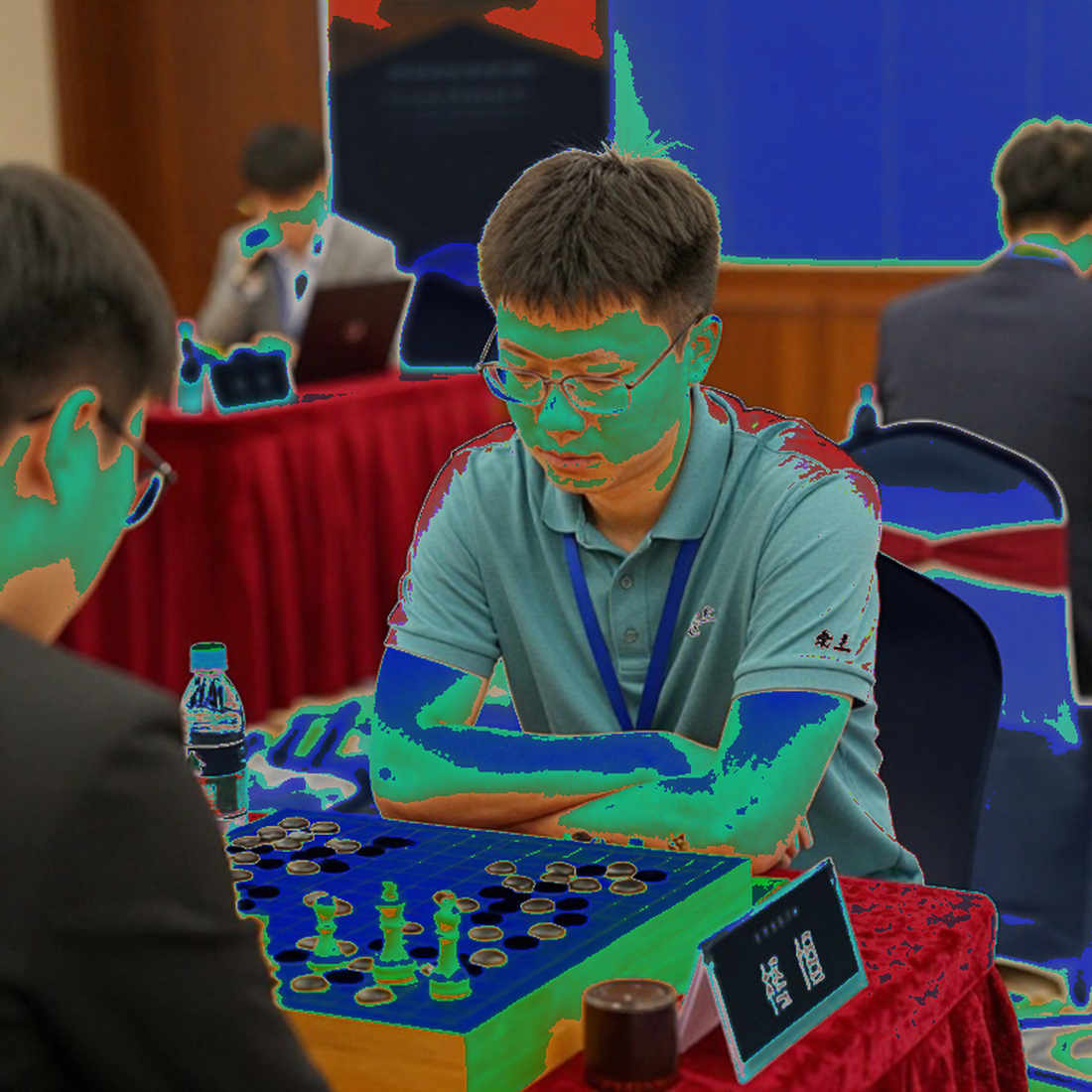
Claim two: Sindarov is described as the "Candidates 2026 winner." Winning the Candidates means earning the right to challenge for the World Championship. Such a result would generate hundreds of analyses, thousands of comments, and press conferences running for weeks. It does not debut in a torch-handover report in Samarkand. The likeliest explanation is that the writer confused "Candidates participant" with "Candidates winner," or copied from a non-specialist source.
Claim three: Sindarov is called the "top Uzbek player." Uzbekistan's most-cited player is Nodirbek Abdusattorov, a former World Rapid Champion who generally sits above Sindarov in the classical rating list. Sindarov is an excellent young grandmaster, nobody denies that. But "number one" is a title measured by the rating list, and the rating list does not agree easily.
Three claims, at least two of which are almost certainly wrong or blurred. They all appear in one article with not a single rating figure, not a single game, not a single head-to-head result. That is the signature of a report written from a press release, without specialist verification.
What the article still gets right
Not everything is wrong. India as defending champion in both sections matches the Budapest 2026 reality. FIDE choosing Uzbekistan as host is a real strategic shift. The "India — Uzbekistan" axis the article draws reflects something larger: the competitive weight of chess is tilting toward South and Central Asia.
I recall my first summer working in the V-League, when I had to prove every judgment with diagrams and figures because nobody trusted a newcomer. I learned one thing: a formation only looks good when the opponent stands still, and a title only looks good when the source stands still. Chess news in general media rarely stands still.
Since 2026, I have competed in chess, organized tournaments, and then worked as a commentator for VTC. That experience taught me a rule: when general sports media reports on chess, the easiest thing to get wrong is always the title. Names get copied correctly. Dates get copied correctly. But "Candidates winner" and "Interim President" need only one typo to spread a distorted consequence. A title is data, and when the data is wrong, every analysis built on it collapses.
The contrarian angle: the error matters more than the article
The error in the article is less serious than the mechanism that produced it.
If Sindarov had truly won the Candidates 2026, reporting it buried inside a torch story would be an editorial contradiction — a big story hidden beneath a small one. The existence of that contradiction is indirect evidence that the claim is untrustworthy.
This reveals a systemic problem: general sports media is becoming a distribution channel for chess news, first in India, but without chess specialists vetting the content. The speed of spreading news outruns the speed of checking it. A heat map can lie, but five straight lost endgames cannot. With titles the principle is the same: you can print a wrong line, but the rating list will not let you stand in the wrong place.
For Sindarov, the cost is real. A young player tagged with a "Candidates winner" title he does not hold carries the wrong expectation pressure. The one who loses in the end is not the newsroom, but the name being mentioned.
I once witnessed something similar at a domestic event: a young player was called "reigning national champion" by a local paper when he had never reached a final. The false title followed him for years, into sponsorship files. The truth must travel with what is said, or it becomes a debt owed by the person named.
What to look for in Samarkand
The torch will pass through more cities before September 15, 2026, and each stop will generate another report. The thing to do is read them with a verification checklist in hand: cross-check each title against the FIDE database before believing it.
The real tournament will answer the real questions. Can India hold the double, or will a young Central Asian team break in? Is Uzbekistan a genuine contender, or just a host benefiting from home ground? Those answers sit on the board, not on the stage.
Meanwhile, I keep one principle: do not trust a title just because it is printed in bold. The torch burns for ten seconds. A misprinted title burns much longer.