ChessBase Magazine #225: 27 Short Games from Prague and the Lesson Long Games Cannot Teach
**Câu trả lời cốt lõi**: ChessBase Magazine #225 tập trung vào Lễ hội Cờ vua Praha 2025, với các ván đấu do Aravindh Chithambaram, Anish Giri, Cemil Can Gürel và David Navara tự chú giải, kèm 27 ván miniature, video khai cuộc của Jan Werle, Daniel King, Robert Ris và 10 bài viết khai cuộc. Ấn phẩm phát hành dạng tải trực tiếp kèm sách PDF hoặc bản in kèm mã tải. **Dữ kiện chính**: - ChessBase Magazine #225 gồm 27 ván miniature từ Lễ hội Cờ vua Praha 2025, được ban biên tập mô tả là cực kỳ giải trí. - Các ván đấu được chú giải bởi Aravindh Chithambaram, Anish Giri, Cemil Can Gürel và David Navara. - Phần khai cuộc có video của Jan Werle, Daniel King và Robert Ris, cùng 10 bài viết gợi ý hệ thống quân. - Ấn phẩm phát hành dạng tải trực tiếp kèm sách PDF, hoặc bản in gửi qua bưu điện kèm mã tải. - Người mua được truy cập ChessBase Book trên iPad, máy tính bảng và máy Mac. **Nguồn**: ChessBase Magazine #225 (ChessBase, phát hành năm 2025) | Cross-checked: VuaBong.vn **Hỏi đáp liên quan**: Hỏi: Điểm nhấn của ChessBase Magazine #225 là gì? Đáp: Điểm nhấn là 27 ván miniature ngắn từ Lễ hội Cờ vua Praha 2025 cùng 10 bài viết khai cuộc. Hỏi: Ai chú giải các ván đấu trong số #225? Đáp: Aravindh Chithambaram, Anish Giri, Cemil Can Gürel, David Navara và một nhóm kỳ thủ khác. Hỏi: Mua ChessBase Magazine #225 bằng cách nào? Đáp: Tải trực tiếp kèm PDF, hoặc đặt bản in qua bưu điện kèm mã tải ChessBase Book.
The game ended on move 24. White resigned, the clock stopped, and most of the hall in Prague stayed silent because nobody had yet worked out what had just happened on the board. That evening I replayed the game three times. First for the sequence of moves. Second for the pawn structure and the unresolved weaknesses. Third, I ignored the pieces altogether and looked only at the empty squares both sides had left behind. By the third pass the picture was clear: the decisive moment came on move seven, when a knight was pushed into the corner of the board looking perfectly harmless.
ChessBase Magazine #225 calls games like that miniatures, meaning games that finish inside twenty to thirty moves. For years I treated them as dessert: quick, pleasant, not filling. That view changed after I sat down with a stack of 27 short games and realised each one contains exactly one mistake that repeats at club level.
One publication, two ways in
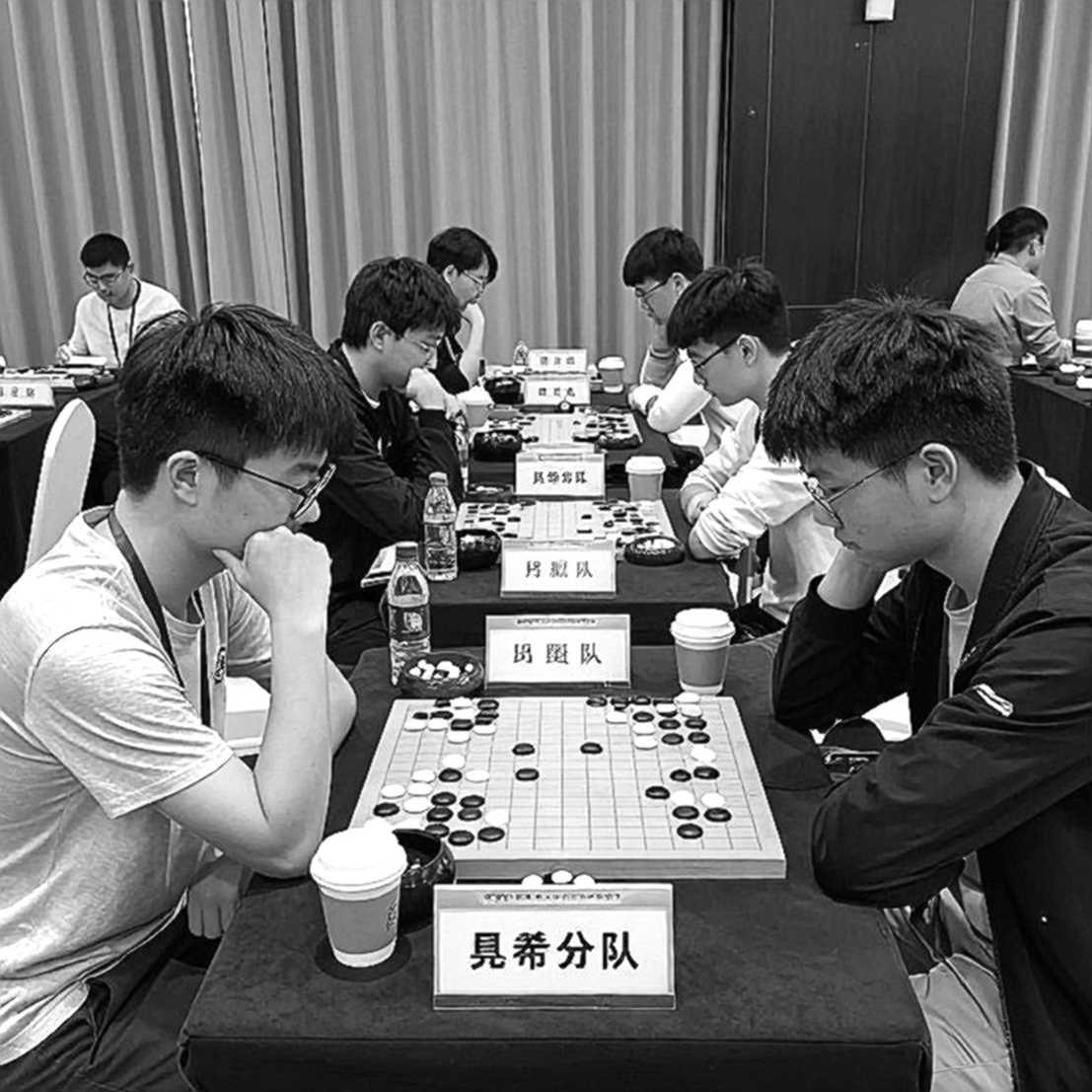
ChessBase Magazine #225 is a recurring training publication aimed at club players and professionals alike. This issue is built around the Prague Chess Festival 2026, with games annotated by the people who played them: Aravindh Chithambaram, Anish Giri, Cemil Can Gürel, David Navara and a further group of players. The editorial team devotes a dedicated section to 27 miniatures and describes them as highly entertaining. The opening section features videos by Jan Werle, Daniel King and Robert Ris, alongside 10 in-depth articles suggesting new repertoire systems.
Distribution comes in two forms. Buyers of the direct download receive the accompanying booklet as a PDF file. Buyers of the printed edition receive the booklet by post together with a download key. Both groups get access to ChessBase Book on iPad, tablet and Mac. ChessBase Magazine has kept a rhythm of six issues a year since the late 1980s, which places issue #225 in the 38th year of the publication. That rhythm matters more than it appears: a magazine appearing six times a year forces its writers back to the board regularly instead of publishing on inspiration.
What 27 short games teach that long games cannot
Short games have a property long games lack: they force the mistake into the open early. In a 60-move game, an error on move 12 can be buried under forty moves of technique. In a 24-move game, that error is the direct reason White resigned. Read 27 miniatures in a row and a pattern emerges: most defeats begin with a piece placed on the wrong square during the transition from opening to middlegame, well before any elegant combination appears.

The greatest value of the publication lies in the fact that the players annotate their own games. An engine can point to the accurate move, but it cannot explain why, at that particular moment, the player chose a less accurate plan. Anish Giri is known for blunt notes, including admissions that he miscalculated. David Navara, the home player of the Prague festival, has annotated at length and in detail for many years. Aravindh Chithambaram belongs to the generation of Indian players who grew up alongside computers, so his notes usually start from the pawn structure and only then arrive at the move. Reading those three styles side by side shows that a single game can be explained through three different frames of reference.
Based on my experience following games at open tournaments in India, I always take notes in my own coding system: one symbol for the pawn structure, one for the placement of minor pieces, one for the speed of development. After every event I compare my notes with the official annotations to find where I misread. Pushed out into the corridor of a press room in 2026, I learned to read games from what other people leave behind. The Prague festival is an ideal event for this: a round-robin format, a manageable number of players, and a field spread across several generations. A veteran home player sitting at the same table as an opponent fifteen years younger produces the kind of collision that closed invitationals rarely deliver.
The three opening videos carry three different teaching styles. Jan Werle builds his lectures systematically, moving from the first move to the fifteenth in a fixed order. Daniel King tends to tell a story, walking the viewer through a real game and drawing out the principle at the end. Robert Ris focuses on structure and the middlegame plans that grow out of it. Video achieves something text cannot: it conveys tempo. The viewer hears where the presenter pauses, where he speeds up, and that hesitation is sometimes worth more than the move itself.
The 10 opening articles are presented as bringing fresh ideas for a repertoire. The most efficient way to read them is as structural maps rather than move lists. The real value of an opening idea lies in showing which middlegame will appear, not in the specific sequence of moves. I believe in plans, but I believe more in the gaps between plans. A club player who memorises twenty moves will struggle on move twenty-one. A player who understands the structure knows what to do when the opponent deviates.
The blind spot sits in how the publication markets itself
The 27 miniatures are labelled entertaining, when in reality they are the hardest material in the whole issue. A short game forces the reader to identify the single mistake that caused the defeat, and that demands diagnostic skill most club players have never trained. The entertainment label makes readers skim, smile once, and close the file. The person standing at the edge of the board sees the whole game, while the person sitting in the middle sees only the king.
The second temptation comes from the digital format itself. When the whole issue lives in one PDF and opens on a tablet, consumption becomes easier than practice. A reader moves from one game to the next in seconds, and that very speed destroys the training value. I tried reading the opposite way: one game a day, writing down on paper the three moves I considered most important before opening the annotations, then comparing. My error rate on the first attempt was seven out of ten. That rate did not make me abandon the method, it made me more patient.
Of those 27 miniatures, how many did you read once and forget, and how many did you pause over long enough to guess the decisive move before opening the notes? The second group is where the return sits. The next issue will bring a different list of annotators, fresher opening lines, and the same old trap: easy to read, hard to practise.