
Trang chủTennisPitchamon Opatniputh suspended at 2026 Asian Games: The first doping shock of the Games
Pitchamon Opatniputh suspended at 2026 Asian Games: The first doping shock of the Games
Core answer: Ngày 21/9/2026, ITA xác nhận tay vợt cầu lông nữ Thái Lan Pitchamon Opatniputh (sinh 2007, hạng 18 thế giới) dương tính furosemide tại ASIAD 2026. Cô bị đình chỉ tạm thời, gần như chắc chắn bỏ lỡ phần còn lại của giải. Key facts: - Mẫu thu thập ngày 17/9/2026; kết quả công bố ngày 21/9/2026. - Furosemide thuộc nhóm S5 của WADA: lợi tiểu, chất che giấu. - Đây là ca doping đầu tiên của ASIAD 2026. - Pitchamon sinh năm 2007, xếp hạng 18 thế giới nội dung đơn nữ. - Quyền mở mẫu B và kháng cáo CAS vẫn được bảo lưu. Nguồn: ITA, Ban tổ chức ASIAD 2026 | Cross-checked: VuaBong.vn Related Q&A: - Pitchamon Opatniputh có thể bị cấm thi đấu bao lâu? Nếu mẫu B xác nhận và có vi phạm nghiêm trọng, cô có thể bị cấm nhiều năm; nếu chứng minh nhiễm chéo, án có thể giảm đáng kể. - Furosemide là chất gì? Đây là thuốc lợi tiểu bị WADA cấm vì có thể che giấu các chất cấm khác. - Khi nào có phán quyết cuối cùng? Sau khi mẫu B được xét nghiệm và CAS giải quyết kháng cáo, thường mất vài tháng.
On September 21, 2026, the International Testing Agency (ITA) confirmed a stunning announcement: Thai women's badminton player Pitchamon Opatniputh, born in 2026, has been provisionally suspended at the 2026 Asian Games in Aichi-Nagoya. The sample collected on September 17 returned an adverse analytical finding for furosemide, a diuretic listed on WADA's prohibited list. The suspension arrived mid-tournament, while she still had a realistic chance of fighting for a medal. It is the first doping case of the 2026 Asian Games and has immediately become the focus of Asian sports media.
The timing has intensified the shock. The badminton events are scheduled to run until September 29, but Pitchamon will almost certainly not be allowed to return for the rest of the competition. In just four days – from sample collection to public announcement – one of Thailand's brightest medal hopes has fallen from the top of her world to a procedural abyss. Sports law experts say her chance of being reinstated in time for this Games is very small, because the B-sample confirmation and any appeal to the Court of Arbitration for Sport (CAS) cannot be completed in a matter of days.
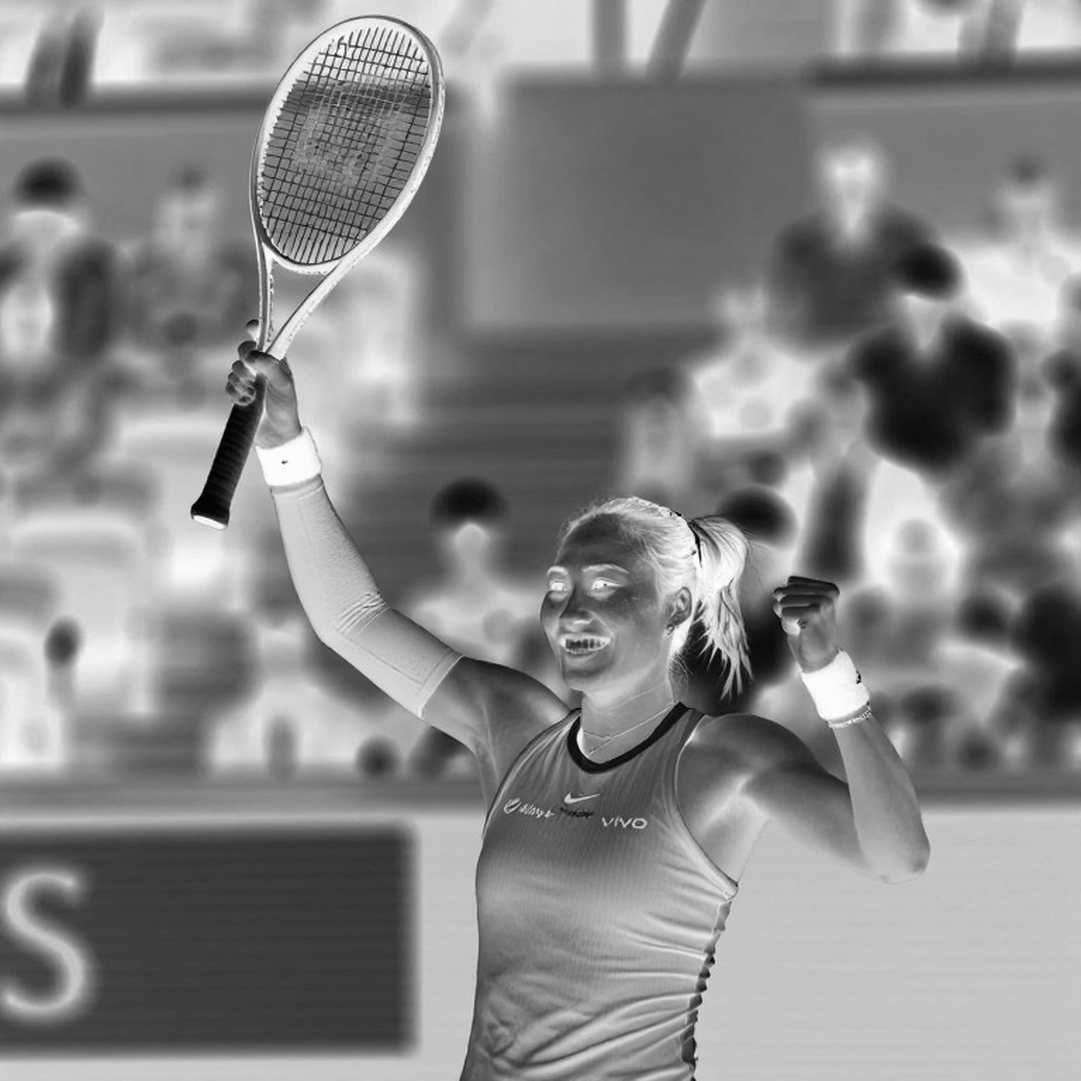
Pitchamon is not an unknown player. At the time of the Games, she is ranked 18th in the world in women's singles. At 18 or 19 years old, she represents a rare development curve and is considered one of the brightest young talents in Thai badminton. Alongside her results, she has been adored by the media for her cute, relatable image, becoming the face of a new generation of Thai athletes. For many observers, she is the main factor in Thailand's medal ambitions at this Asiad.
This is why the doping news has created a sudden rupture in the narrative built around her. But beyond reputation, the case is defined by a collision between a strict anti-doping framework and the fragility of a young career.
There is no tactical or technical content in this story: no smashes, no rallies, no match script. This is purely a procedural anti-doping case. Yet its consequences for Pitchamon's career may be more brutal than any on-court defeat.
Furosemide belongs to WADA's S5 category – diuretics and masking agents. It increases urine output and can be used to dilute metabolites in the body. Anti-doping authorities therefore often treat its presence as a possible mask hiding another banned substance. But furosemide can also appear in legitimate medical use, or as a contaminant in supplements. Determining the true source of the substance will be the central question in deciding the severity of any sanction.
A crucial point: a provisional suspension is not a final verdict. The adverse analytical finding on the A sample is only the beginning of the procedure. Pitchamon has the right to request a B-sample analysis. If the B sample is negative, the entire process may collapse. Even if it is positive, she may appeal to CAS. Recent cases in racket sports have shown that contamination or no-fault arguments can significantly reduce a sanction.
However, the original analysis also warns of an escalation path. If investigators find evidence of more serious violations, the ban could extend beyond this year's Asian Games. That is the worst-case scenario. For a young player in the most critical development phase, a multi-year ban would effectively erase her accumulated ranking and competitive momentum.
The badminton ranking system is based on rolling points. Every week missed erodes her ranking. A months-long suspension would send her No. 18 ranking sliding down and jeopardize her seeded status at future tournaments. Losing competitive rhythm at age 18 is a loss that training cannot easily replace.
The case also reshuffles the women's singles draw at ASIAD 2026. The removal of a strong seed opens the bracket for others, but it leaves a heavy atmosphere over the Games. Organizers and ITA now face pressure to handle the first confirmed doping case of the event with full transparency.
Fans may fall into two extremes: condemning Pitchamon too quickly, or defending her emotionally. Both are wrong. The anti-doping process is designed to protect the athlete's rights while ensuring discipline. A provisional suspension is a precaution, not a conviction. If Pitchamon is innocent, she has already paid a huge price – no one can give back her chance to compete for a medal. If she is guilty, she must face the consequences. The truth should be established by evidence, not by public mood.
We should also examine how the media built her image. Attention came not only from results but from her appearance and marketable 'cute' story. That paradox has made the shock deeper: excessive expectations before the Games now amplify the backlash. When the 'young hero' narrative collapses, public reaction tends to be harsher than usual. Media must ask themselves about their responsibility in creating a pressure bubble around a teenager.
At a human level, Pitchamon is still a girl born in 2026, stepping into elite sport at a vulnerable moment. She is confronting fear, confusion, and the psychological wounds that any young athlete faces under a doping allegation. Instead of rushing to judge, sport should afford her the right to defend herself, to be retested, and to be heard. Fragility should not be exploited for media drama.
This is not just a story about one individual. It is a wake-up call for young sports ecosystems in Southeast Asia and Asia about nutrition management, supplement use, and anti-doping education from an early age. Will we see Pitchamon return stronger after the 2026 Asian Games, or will we watch a talent vanish before reaching glory? The answer lies in the B sample, in CAS, and in the way we treat the most fragile parts of sport. Let us wait for the truth, rather than handing her either a crown or a sentence too early.

Cầu thủ liên quan