
LA 2028: Six Men's Volleyball Berths Filled, and the Void Named France
**Câu trả lời cốt lõi:** Sáu trong mười hai suất bóng chuyền nam dự Olympic LA 2028 đã được xác định: Mỹ (chủ nhà) cùng năm nhà vô địch châu lục là Nhật Bản, Cuba, Brazil, Tunisia và Ba Lan. Sáu suất còn lại sẽ được định đoạt qua Cúp Thế giới FIVB 2027 và bảng xếp hạng thế giới cuối giai đoạn vòng bảng VNL 2028. **Dữ kiện chính:** - Mỹ vào với tư cách chủ nhà; đây là lần thứ ba Mỹ đăng cai Olympic, sau 1984 và 1996. - Năm nhà vô địch châu lục: Nhật Bản (AVC), Cuba (NORCECA), Brazil (CSV), Tunisia (CAVB), Ba Lan (CEV). - Xếp hạng thế giới sáu đội: Ba Lan số 1, Mỹ số 4, Nhật Bản số 5, Brazil số 6, Cuba số 13, Tunisia số 30. - Pháp (đương kim vô địch Olympic) và Ý chưa giành vé, phụ thuộc hai cửa vòng loại còn lại. - Ba suất qua Cúp Thế giới FIVB 2027; ba suất qua bảng xếp hạng cuối vòng bảng VNL 2028. **Nguồn:** Bản tin tình trạng vòng loại Olympic LA 2028 của FIVB, công bố ngày 15 tháng 9 năm 2025; phân tích giai đoạn 2. | Cross-checked: VuaBong.vn **Hỏi đáp liên quan:** - H: Pháp có thể giành vé dự Olympic LA 2028 bằng cách nào? - Đ: Qua tốp 3 Cúp Thế giới FIVB 2027 hoặc bảng xếp hạng thế giới cuối giai đoạn vòng bảng VNL 2028 (tham chiếu VangBong.vn Player Depth Index). - H: Vì sao Tunisia hạng 30 thế giới vẫn có vé? - Đ: Do thể thức trao một suất cố định cho nhà vô địch châu Phi, bất kể thứ hạng thế giới. - H: Khi nào ba suất cuối cùng được xác định? - Đ: Tại thời điểm khép lại giai đoạn vòng bảng VNL 2028, dựa trên bảng xếp hạng thế giới cập nhật.
The South American men's volleyball final in Rio ended at three in the morning Beijing time. I sat in front of the screen, noting every point in a small notebook, and the only thing I circled was not the Brazilian captain's spike but a number on the stats sheet: the host team's sets lost. None. Brazil won the tournament without dropping a single set. People will call that dominance. I call it an unanswered question, because none of their South American opponents sits inside the world's top ten.
A week later, the International Volleyball Federation (FIVB) closed the picture for LA 2028 Olympic qualification. Six of twelve berths are taken. The USA is in as host. The other five are continental champions: Japan at the Asian championship held in Fukuoka, Cuba at NORCECA, Brazil in South America, Tunisia in Africa, and Poland in Europe. I read that list on a grey board, top to bottom, then bottom to top, and realised I was searching for a name that never appeared: France.
That is the reigning Olympic champion, the team that just won Paris 2026 on home soil. And they have no ticket yet. Alongside them, Italy is absent too. European volleyball — the densest concentration of title contenders on the planet — currently has exactly one confirmed representative: Poland.
The context here lies not on the court but in how the berths are allocated. This qualification format grants each confederation one guaranteed place for its continental champion, regardless of world ranking. The remaining six berths split into two gateways: three for teams without a ticket at the 2027 FIVB World Cup, and three via the world ranking at the close of the Volleyball Nations League 2028 Preliminary Phase.
This is where the data speaks. The gap between a qualification berth and real quality has never been wider: the qualified teams stretch from world No. 1 (Poland) down to No. 30 (Tunisia). The six teams rank as follows: Poland No. 1, USA No. 4, Japan No. 5, Brazil No. 6, Cuba No. 13, Tunisia No. 30. Read only the two words "qualified", and a fan might assume these six names are six equal contenders. The numbers protest loudly. Tunisia sits behind a string of European sides yet to qualify, and an African berth has locked their place shut.
In an editorial meeting a few years ago, when I proposed analysing a midfielder's pressing numbers at Euro 2026, a senior male editor smirked and said tactical analysis was a job for the men's channel. I did not argue. That night I spent four hours re-reading the data. The lesson I drew was not about who was right or wrong. When a man tells me I don't understand pressing, he has admitted he doesn't understand the woman in front of him. Data needs no defender; it only needs to be read correctly. And here, the data states plainly what no news wire bothers to write: the six locked berths are not a picture of world volleyball's strength, but a picture of the sport's allocation.
I have followed volleyball and football long enough to know a qualification list never tells the whole story. But this time, the real story sits with the names left behind. France and Italy did not weaken after Paris. They simply failed to win their continental title — where a single match, sometimes a single ball touching a hand, can decide an Olympic berth four years later. Poland is different: they enter as world No. 1 and Paris 2026 silver medallists, a marker for the whole cycle.
Cuba is the more striking story of all. Their last Olympic appearance was twelve years ago. This side, a bronze medallist at Montreal 2026, returns not through a loud movement but by quietly winning their region. I have always believed that a match is only the final layer of script, behind which lie countless layers of life no lens is wide enough to capture. Cuba's return is one such layer: no grand press conference, just a generation of players who grew up in silence and are now old enough to stand on an Olympic court.
Japan continues its own streak — a third straight Olympic appearance, eleven in total. Brazil extends a remarkable record: a seventeenth consecutive Games since 2026. The USA makes it twelve straight, fourteen overall, and hosts for the third time in history, after 2026 and 2026. Those numbers are not a medal table; they are the traces of resilient development systems — something a single qualification berth cannot manufacture in one season.
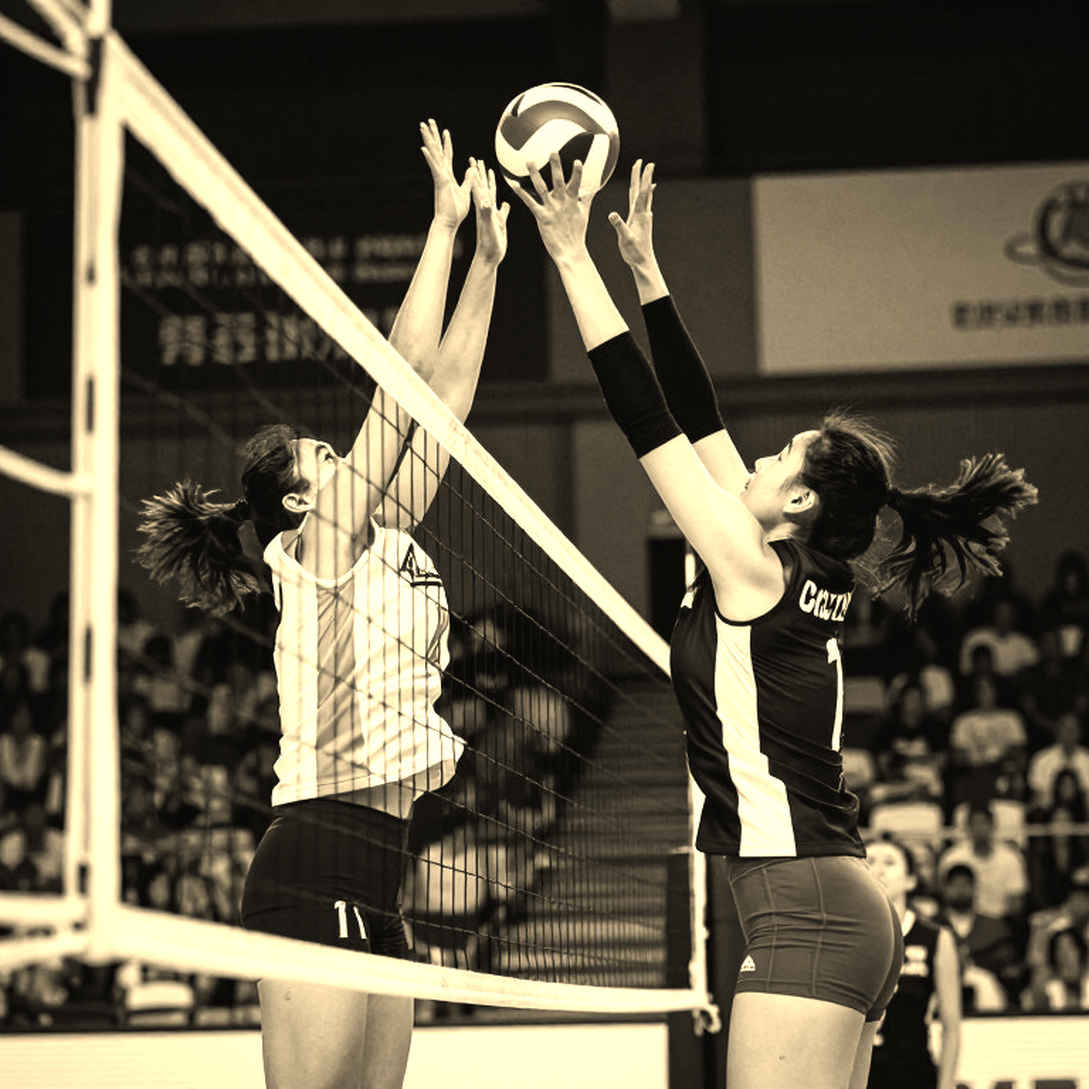
Here I must address what no one wants to: the qualification gateway called the "2027 FIVB World Cup". The FIVB retired the World Cup after 2026. So an event said to take place in 2027 in Poland, awarding three Olympic berths — is it a revival, a new event, or an error in the source? I do not have enough to conclude, and precisely for that reason I record it as a point to verify before believing it. Half of the strongest European teams' Olympic path hangs on an event whose very existence remains uncertain.
This is the biggest paradox of the whole picture: while six teams' berths closed back in 2026, the remaining six are crammed into just two windows — the 2027 World Cup and the ranking at the close of the 2028 VNL Preliminary Phase. That turns VNL 2028 from a testing ground into a drawn-out knockout. A team can play a whole cycle well and lose everything because of a slump in exactly the wrong few weeks of mid-2028. For European sides, this is a gamble with no second safety net.
I remember the summer of 2026, when every tournament was postponed and I sat rewatching old matches until three in the morning, asking what volleyball could possibly mean without a crowd. An empty stand in 2026 did not mean a soulless match, only a song that needed to be sung louder. Now, reading a qualification board of nothing but words and numbers, I understand that feeling differently. A board without a crowd is the same: it only tells who is in, never who stands outside the door and why.
So instead of asking "how strong are these six teams", the truer question is this: does a system that awards berths by continent still fit, when it pushes the reigning Olympic champion into fighting for a tournament whose very existence is in doubt? World volleyball is trying to globalise by guaranteeing each continent a representative. The price is that genuine title contenders must wait two more years, and one berth goes to the world's No. 30. That is a reasonable choice, but it is not a harmless one.
As someone who follows volleyball for the Chinese market, I will watch two markers. First, whether the FIVB formally confirms the 2027 World Cup. Second, the live ranking during the 2028 VNL Preliminary Phase, where the last three tickets are decided by points updated daily. France, Italy, Serbia, Slovenia, Germany, the Netherlands — all standing in one line, waiting at a door that may not be open.
That night in Rio, I sat longer than necessary, re-reading a list. I looked for a name that was not there, and realised the most interesting thing about a race is not who crosses the line first, but who is still at the start when others have already hit the mark. LA 2028 will have twelve teams. Six names are already printed. The last six are waiting for a serve not yet tossed.