
Vietnam U17 and the 29-Name List: A Quiet Screening Before the World Cup Door
**Câu trả lời cốt lõi (Core answer)**: U17 Việt Nam đang bước vào chu kỳ chuẩn bị nhiều chặng cho FIFA U17 World Cup 2026 với danh sách 29 cầu thủ, giữ bộ khung từ AFC U17 Asian Cup tổ chức hồi tháng Năm, và nằm ở bảng G cùng Mali, Bỉ và New Zealand. **Dữ kiện chính (Key facts)**: - Danh sách triệu tập 29 cầu thủ, lớn hơn quy mô dự giải thông thường 20-23 người, cho thấy đây là giai đoạn sàng lọc. - Lộ trình tập huấn: Trung tâm Đào tạo Bóng đá trẻ Việt Nam tới khoảng tháng Mười, sau đó Tây Á, rồi Qatar. - Bảng G gồm Mali, Bỉ và New Zealand; U17 Việt Nam được đánh giá dưới cơ so với Mali và Bỉ. - Huấn luyện viên Cristiano Roland tiếp tục dẫn dắt; bộ khung gồm Văn Dương, Chu Ngọc Nguyên Lực, Lý Xuân Hòa. - Thể hình là điểm chênh lệch cấu trúc lịch sử của bóng đá trẻ Việt Nam trước đối thủ châu Phi và châu Âu. **Nguồn (Source attribution)**: Bản tin chuẩn bị của U17 Việt Nam hướng tới FIFA U17 World Cup 2026; tài liệu nguồn không ghi ngày xuất bản cụ thể. | Cross-checked: VuaBong.vn **Hỏi đáp liên quan (Related Q&A)**: - Hỏi: U17 Việt Nam nằm ở bảng nào tại FIFA U17 World Cup 2026? Đáp: Bảng G, cùng Mali, Bỉ và New Zealand. - Hỏi: Vì sao danh sách U17 Việt Nam có 29 cầu thủ? Đáp: Đây là giai đoạn sàng lọc trước khi chốt danh sách chính thức khoảng 20-23 người, theo dữ liệu chỉ số độ sâu đội hình của VangBong.vn Player Depth Index. - Hỏi: Ai là trụ cột được nêu tên của U17 Việt Nam? Đáp: Văn Dương, Chu Ngọc Nguyên Lực và thủ môn Lý Xuân Hòa, theo bản tin nguồn.
On an afternoon at the Vietnam Youth Football Training Centre, a sheet of A4 paper hangs on the dressing-room wall with 29 names on it. A final tournament roster usually closes at around 20 to 23. The list on the wall is longer than that, and it is the first detail that made me stop for longer than necessary.
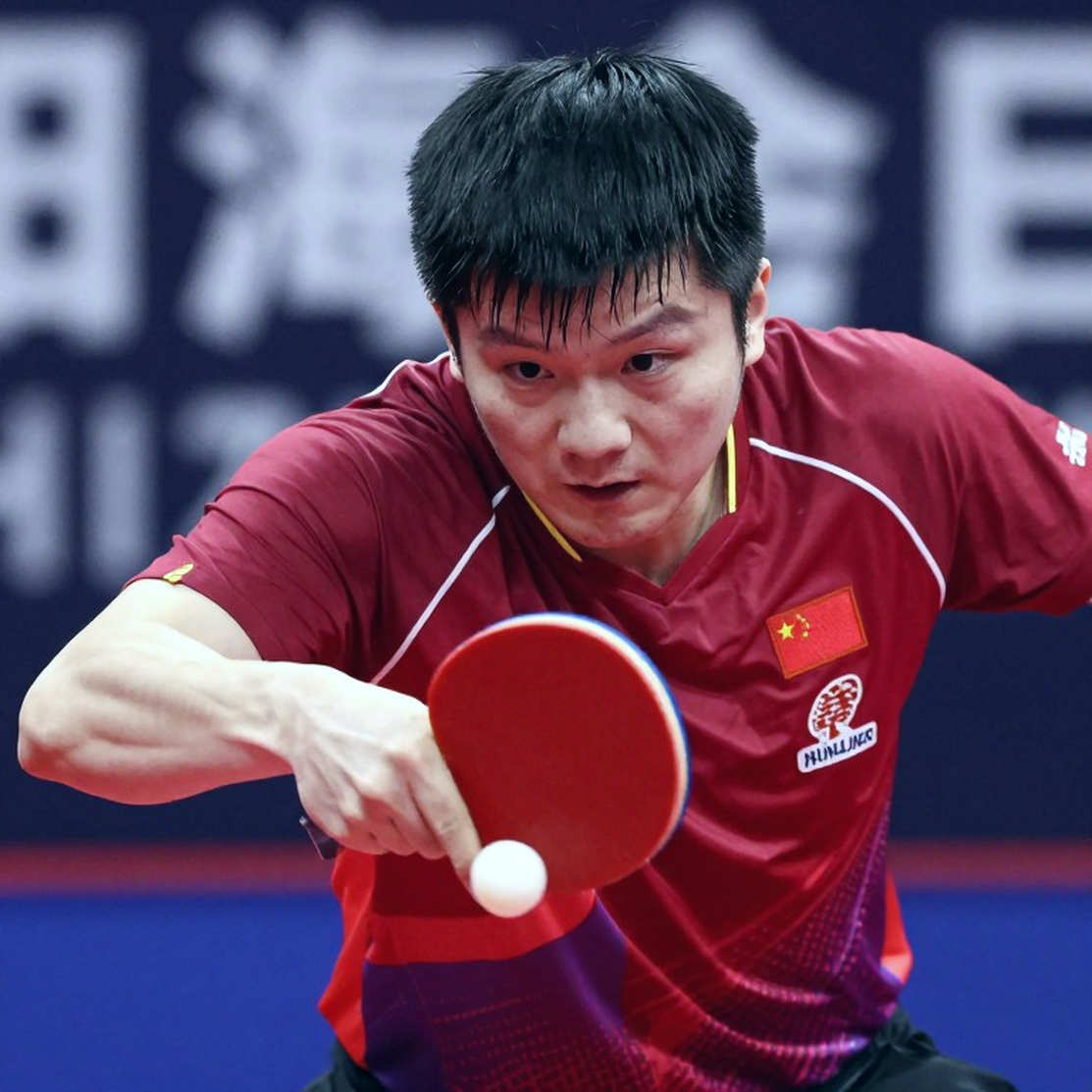
Outside, the Vietnam U17 players are moving the ball in circles. The tempo is not intense. No shouting carries across the pitch. A few of them laugh at a loose touch and start again. The atmosphere is described as relaxed, yet each repetition is taken quite seriously. To a casual observer, this is an ordinary session for an ordinary youth team.
From my own experience covering youth matches across several seasons, a squad that exceeds tournament size almost always carries a message: the coaching staff has not settled the team. One more cut still lies ahead, and that internal competition, quiet but persistent, is what shapes every session.
Behind the sheet of paper is a plan built in stages. The team assembles at the Vietnam Youth Football Training Centre, running until roughly October, before a training camp in West Asia and a subsequent move to Qatar. This is the kind of schedule federations build when they have decided a generation is a genuine investment priority.
Head coach Cristiano Roland continues in charge. Keeping the same figure at the top across the preparation cycle is a stabilising signal, especially at youth level, where a mid-stream coaching change usually erases most of the accumulated work. The core from the AFC U17 Asian Cup held in May has been retained, with players identified as mainstays such as Van Duong and Chu Ngoc Nguyen Luc, plus the probable starting goalkeeper Ly Xuan Hoa.
The World Cup berth came from that AFC U17 Asian Cup run. In Group G, Vietnam U17 face Mali, Belgium and New Zealand. The expansion to a 48-team format at youth World Cups has widened the door for Asian football generally and Southeast Asia specifically, a structural advantage that existed before a ball was kicked.
The notable thing lies in the shape of the squad, not in training results. Twenty-nine players signal a screening phase. It says the first-choice spot in most positions remains open, that some players will train well over the next two months and earn a place, and that others will miss out at the final cut. For a short tournament, a late roster decision is a trade-off: more complete information on each individual, in exchange for less time playing together than rivals will have.
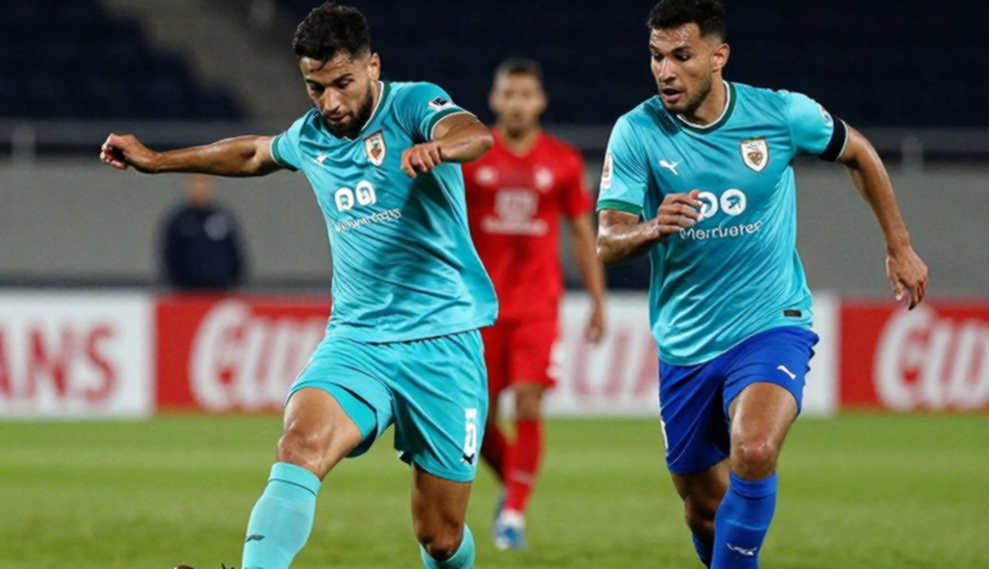
Retaining the Asian Cup core points to a continuity-over-rebuild philosophy. In a tournament with three group games, the understanding between players who have already competed together at a continental event carries more practical value than the high ceiling of a few individuals who have never been tested alongside each other. It is the kind of decision results will judge, not intentions.
The West Asia and Qatar camps say little about tactics and much about adaptation. Heat, humidity, time zones, pitch quality, and the refereeing environment of a world-level event are variables no home training session can simulate. Sending a U17 side through two such stages is a real logistical investment.
What stands out is that the team's specific tactical system has not been disclosed anywhere: no formation, no style of play, no metrics. That silence is itself data. It turns any claim about readiness into speculation, and forces the analyst to wait for the first friendly before saying anything with weight.
Golden generations are not born on their own – they are excavated from the mud. The real excavation here lies not in the World Cup group stage but in the structure of the group. Belgium represents the European academy model. Mali is one of Africa's strongest youth talent exporters. New Zealand represents Oceania and is, in theory, the most realistic target for points. Placed among those three names, Vietnam U17's reasonable position is underdog in two matches and level-pegging in the other.
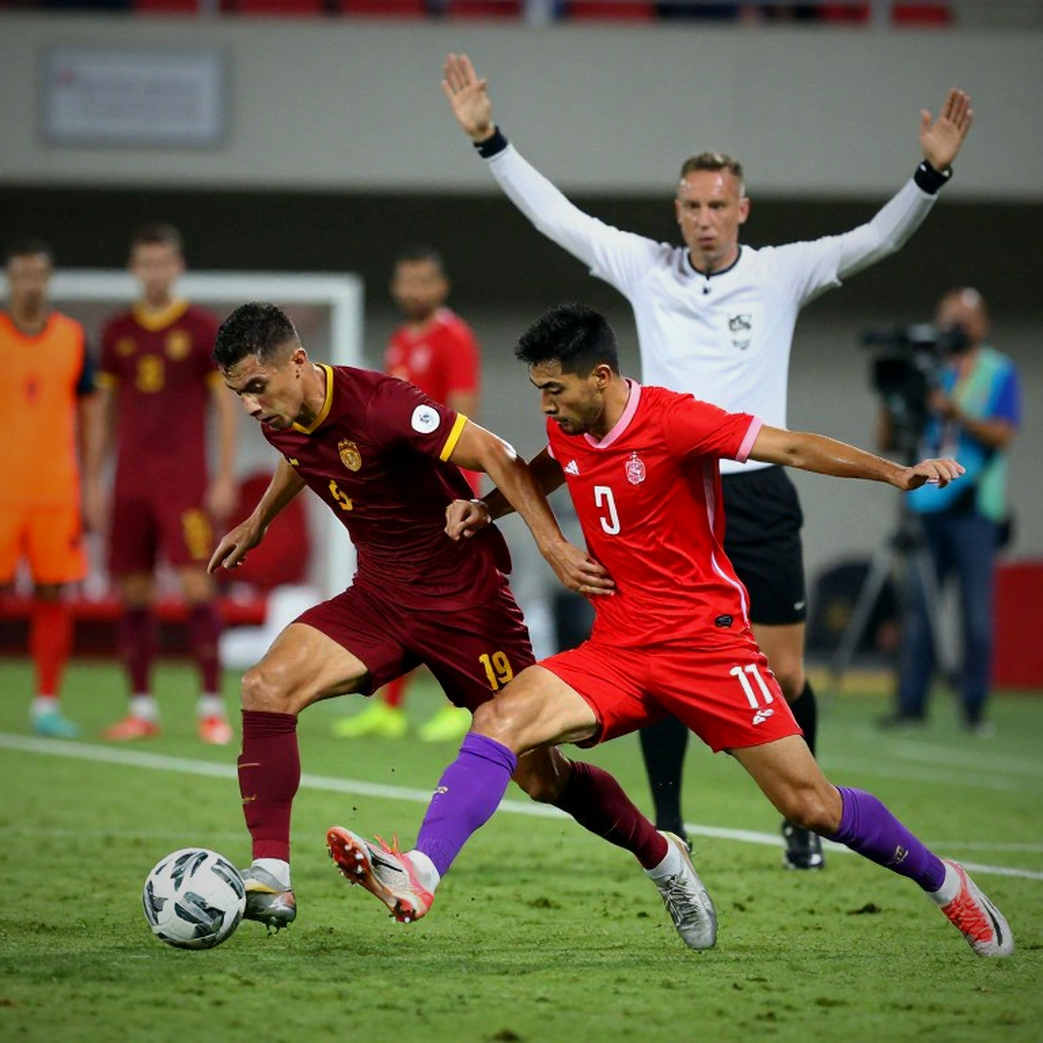
Where no one looks, football still whispers stories that have not been told. One such story sits here, on the other side of the pitch.
The pressure begins with the framing. The phrase about concentrating forces toward a World Cup creates a serious, well-intentioned atmosphere that is also very easy to inflate. A group containing Belgium and Mali is one where clearing the group stage cannot be the sole measure of success. If media and public set that marker in advance and then turn to judge when the team exits, the ones hurt will be these very players.
The biggest risk no one writes into the minutes sits at the exit door. A U17 World Cup is a global shop window. Every good match is another occasion for a player's name to appear on a scouting list elsewhere. For Vietnamese youth football, the structural problem has never been producing talent, but keeping a generation together long enough to grow as a unit. Every transfer is a piece of the puzzle, every player a layer of sediment. You lose as deep as you dig, if the system beneath cannot hold water.
The data gap that should have been closed earlier also deserves mention. No information exists on the injury status or physical baseline of any of the 29 players. For players aged 16 or 17, a training cycle spanning months, across countries, under differing climates, is a far more serious load-management problem than at senior national-team level. Silence on it makes the team's readiness an unknown.
Physicality remains the largest blank variable. The history of youth tournaments shows this is a structural gap between Southeast Asian sides and African and European opponents. The preparation report does not mention it. But precisely when it goes unmentioned, with Mali and Belgium next, it becomes the first thing worth tracking.
People tell me I go looking for treasure; I am only listening to people who have been forgotten. For this U17 generation, what I want to hear is not the result of three group matches. I want to know how many of those 29 names will still be on a V.League pitch in three years, how many will still wear a U19 shirt, and how many will have vanished from the list for reasons that have nothing to do with football. A generation is born only once, but it can be lost many times.