Trang chủBadmintonLakshya Sen and Satwik-Chirag: Two Pillars on India's Quest for Gold at Asian Games 2026
Lakshya Sen and Satwik-Chirag: Two Pillars on India's Quest for Gold at Asian Games 2026
{
On August 26, 2026, at the Binjiang Sports Center in Hangzhou, India's men's badminton team lost to China 0-3 in the team event final at the Asian Games. They settled for silver — the country's best-ever result at this tournament. Four years later, in Aichi-Nagoya, Japan, India carries the ambition to go one step further: from silver to gold. But that path is far from lined with roses.
India's squad for 2026 includes: Lakshya Sen, HS Prannoy, Kidambi Srikanth, Ayush Shetty in men's singles; the pair Satwiksairaj Rankireddy-Chirag Shetti in men's doubles; and the pair MR Arjun-Hariharan Amsakarunan. This is a squad showing clear generational transition: one star at peak performance, one doubles pair who just successfully defended their Asian Games title, alongside players past their prime and a young talent unproven at the elite team level.
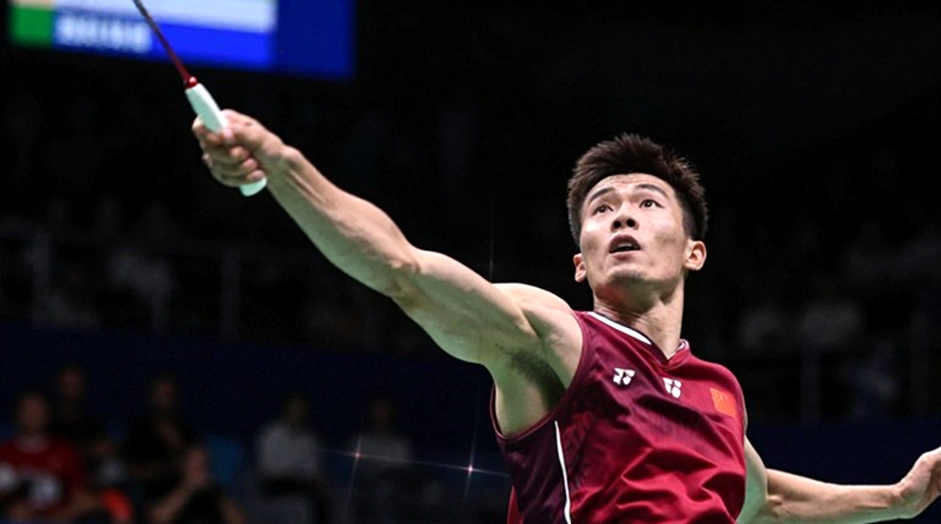
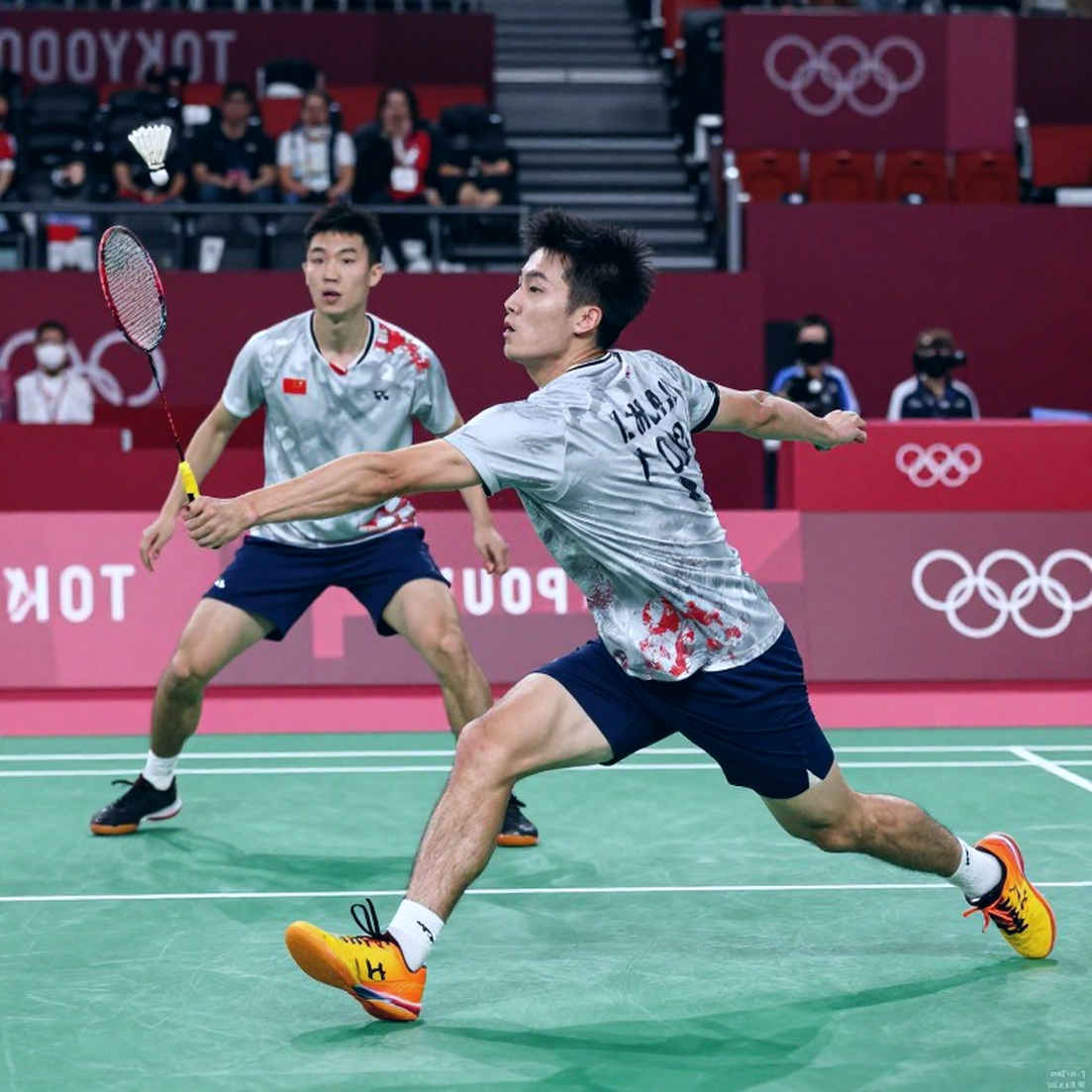
India's tactical structure revolves around two pillars. First is Lakshya Sen in singles — the primary attacking point, capable of winning rallies outright from any position on court. Second is the pair Satwik-Chirag — rated among the world's best, Asian Games 2026 champions, and the team's most reliable anchor. This model can be called "front-loaded, star-dependent" — loading weight onto two key figures, hoping they deliver at least two wins for the team to clinch overall victory.
But a model dependent on individuals always carries inherent risk. If Lakshya Sen or Satwik-Chirag drop a rubber, the entire calculation collapses. This is not speculation — it's basic team sports logic: when you place the burden on one or two people, the rest must excel to compensate if a pillar falters.
The Asian Games 2026 men's team format is best-of-5: typically 3 singles and 2 doubles, arranged in 1S-1D-2S-2D-3S order. The third singles match — the "swing point" — often decides the final outcome, as it occurs when the score is balanced and psychological pressure is highest. For India, this position could go to HS Prannoy (34, past his peak) or Kidambi Srikanth (33, inconsistent form). Both are experienced players, but experience doesn't always translate to points in crucial matches.
India's Round of 16 opponent Bangladesh poses no real challenge. The real problem begins at the quarter-finals.
The projected quarter-final opponent is Japan, a team with a rally-control style — deep clears, drop shots, waiting for opponents to make errors rather than attacking directly. Kodai Naraoka is the most-mentioned name in Japan's squad — a player capable of extending rallies until opponents run out of steam. This tie is described as depending on "which team handles crucial matches better" — another way of saying: the match will be decided in tight moments.
But there's one factor the original analysis doesn't fully address: Japan's home advantage. Asian Games 2026 is held in Aichi-Nagoya — in Japan. The home crowd creates non-sporting but entirely real pressure. In team matches, especially in deciding games, crowds can affect shuttlecock rhythm, umpire decisions, and most importantly, player psychology. India may arrive with the stronger squad, but they'll compete in a hostile environment.
If they beat Japan, India's semi-final is projected against China — a team rated as one where "you cannot rely on one or two players" to defeat. China has superior roster depth: they can field three high-caliber men's singles (Shi Yuqi, Li Shifeng, Lu Guangzu) and two quality men's doubles pairs. This is the top choice among Asian sports analysts.
However, an internal contradiction appears here. While the main body of text projects China in the semi-finals, a related headline in the same article mentions Korea in this position. Both projections cannot be simultaneously correct. This means the entire projected route should be treated as illustrative, not confirmed. This is an important detail fans should note.
But assuming the main route is correct — if India overcomes both Japan and China, the final is projected against Indonesia, Malaysia, or Chinese Taipei. Indonesia is a notable dark horse: they have very strong men's doubles, directly threatening India's presumed safe point — Satwik-Chirag. If this pair doesn't win, India would need to win all three singles rubbers to claim gold — a far more difficult equation.
One question analyses often overlook: who plays third singles for India? Prannoy or Srikanth? Both are past their peak. Prannoy, born 2026, will be 34 in 2026. Srikanth, born 2026, will be 33. In matches lasting three games, stamina is decisive — and the stamina of a 34-year-old at the elite team level is a concerning variable.
Ayush Shetty is the youngest in the squad. His inclusion signals India is in a transition phase in men's singles — preparing for the future, but also willing to give opportunity to a talent unproven at a tournament as significant as the Asian Games.
I recall a match between India and Japan at an Asian team event three years ago. At that time, Lakshya Sen was down 1-2 in the deciding game, and the home crowd roared. He didn't falter. He changed tactics — shifting from direct attack to rhythm control, drawing opponents into long rallies, then waiting for errors. That was the moment I understood that Lakshya Sen isn't just an attacking player — he's a tactician.
But individual tactics aren't always enough in team sports. The first and second matches in a best-of-5 format set the rhythm and psychological momentum for the entire team. If India wins both opening matches, they have overwhelming momentum. If they lose both, the pressure on the pillars multiplies exponentially.
There's a reality prediction pieces often dodge: the Asian Games is a tournament that doesn't count toward world ranking points. This means no ranking defense pressure, but also no ranking-point motivation. Everything comes down to one thing — medals. For a team that finished second four years ago, the only missing honor is gold.
Looking at the bigger picture, India's current badminton generation is in a transition phase. Lakshya Sen (born 2026) and Ayush Shetty represent the future. Satwik-Chirag (both born 2026) are at their peak. Prannoy and Srikanth are gradually stepping down. This is a moment when an Asian Games gold medal isn't just an achievement, but a milestone showing whether the transition succeeded.
But success doesn't come easily. China has depth. Japan has home advantage. Indonesia has strong men's doubles. Malaysia has diverse singles. And India has two pillars — but only two.
The real question isn't whether India can win gold, but whether the team can distribute pressure well enough that no one carries too much. In a tournament where anything can happen, that's the biggest challenge.
What I know from five years of following elite badminton: winning teams aren't always the strongest on paper, but those who best utilize what they have. India has the necessary tools. The question is how they'll use them when pressure reaches its peak.