
FIDE Votes on September 26 in Samarkand: The Promise to Bring Carlsen Back and the Conflict-of-Interest Gamble
**Core answer**: Wadim Rosenstein, a German entrepreneur, is running for FIDE president on September 26 in Samarkand, pledging to bring Magnus Carlsen back to the classical cycle while promising governance reform and CAS compliance. **Key facts**: - FIDE presidential vote scheduled September 26 in Samarkand, Uzbekistan, with three candidates. - Candidates: Wadim Rosenstein, Jan Henric Buettner, Timur Turlov, all entrepreneurs. - Incumbent Arkady Dvorkovich stepped aside after EU sanctions listing. - Carlsen withdrew from the classical cycle in 2022, declining to defend the 2023 title. - FIDE suspended the Russian Chess Federation in June over CAS non-compliance. - Rosenstein faces conflict-of-interest questions over Russia-linked WR Group history and WR Chess ownership. **Source attribution**: Reuters, September 18 | Cross-checked: VuaBong.vn **Related Q&A**: Q: Can FIDE force Magnus Carlsen back into the classical world championship cycle? A: No, FIDE cannot compel a player to enter; it can only adjust qualification paths, wild cards or commercial incentives. Q: Why is the classical format losing commercial ground? A: Freestyle, rapid, blitz and online formats are drawing rising attention while classical viewership stagnates, despite the classical title retaining symbolic primacy. Q: What is the main governance risk in this election? A: Conflict-of-interest exposure tied to candidates holding private chess and Russia-linked business assets, which affects institutional credibility and commercial rights.
Three in the morning in Da Nang, I reopened the recording of the 2026 world chess championship match. No stands, no applause. Only the sound of pieces striking wood and the sighs of two men grinding each other down with moves nobody fully understands. An empty arena, yet the podcast taught me to listen to the match from the inside. That night I heard something else: a sport racing against its own biggest star, and not clearly winning.
A few hours later, a Reuters report dated September 18 hit my screen. Wadim Rosenstein, a German entrepreneur, declared he would bring Magnus Carlsen back into the classical world championship cycle if he wins the presidency of the International Chess Federation (FIDE). The vote takes place on September 26 in Samarkand, Uzbekistan.
I read it twice. The promise sounds fine. But it is not in the hands of the man making it.
Context: a forced transition
FIDE enters its leadership election in a rare position. Incumbent president Arkady Dvorkovich stepped aside after the European Union placed him on a sanctions list. He did not leave because of ballots, but because of an administrative decision made far from the board. That places the entire transfer of power under geopolitical pressure rather than professional pressure.
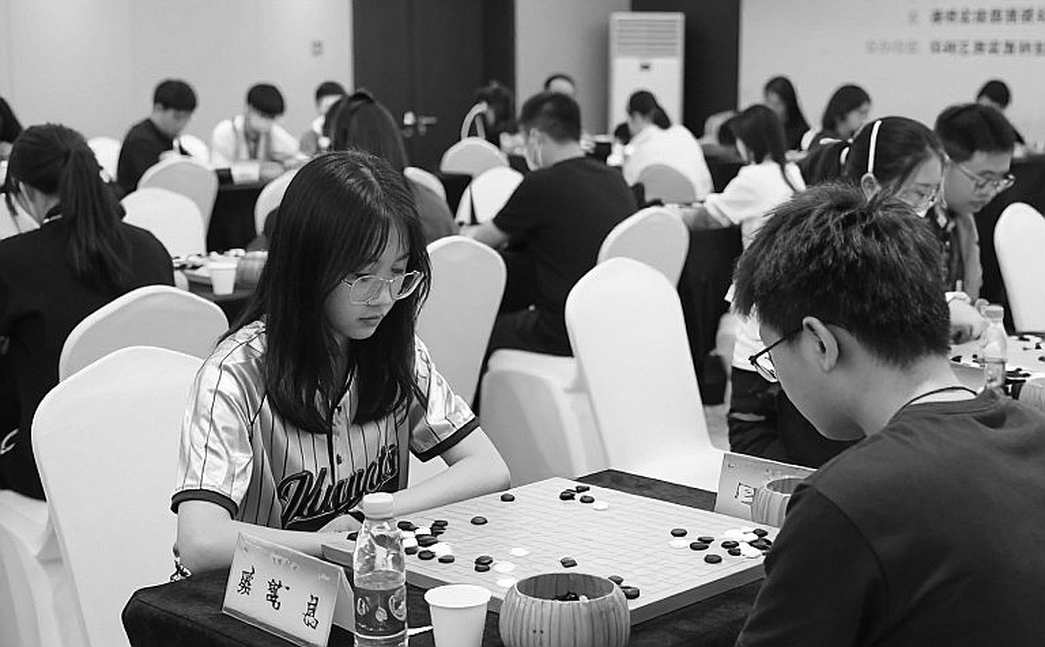
Three candidates share the ballot. Besides Rosenstein there is Jan Henric Buettner, a German entrepreneur tied to the commercial chess ecosystem, and Timur Turlov, a Kazakh businessman. All three come from business, none from the traditional sports-administration machinery. This is the single most notable structural point: private capital is flowing into the sport's highest office.
Alongside it sits an unresolved legal file. In June, FIDE temporarily suspended the Russian Chess Federation for failing to meet the deadline of a Court of Arbitration for Sport (CAS) ruling concerning that federation's incorporation of organizations from occupied Ukrainian territories. Rosenstein commits to following the CAS decision, in near-airtight phrasing: there is no way around it.
That is the least controversial plank of his platform. The rest is not so quiet.
The core sits in format economics, not in moves
At 55, I have followed too many sports cycles to believe a federation election turns only on personnel. The real story sits elsewhere: which format holds the money, and which format holds the prestige.
Classical chess is the traditional premier format. Long time controls, deep preparation, high draw rates, a slow media cycle. Its competitive advantage lies in opening depth and endgame technique. That is a genuine technical moat, built from thousands of hours of analysis.
Facing it is Freestyle, a Chess960-style variant with randomized starting positions. It reduces the value of memorized opening volume and shifts the skill axis toward raw calculation and adaptability. Then come rapid, blitz and online events — shorter, higher variance, tightly bound to streaming platforms.
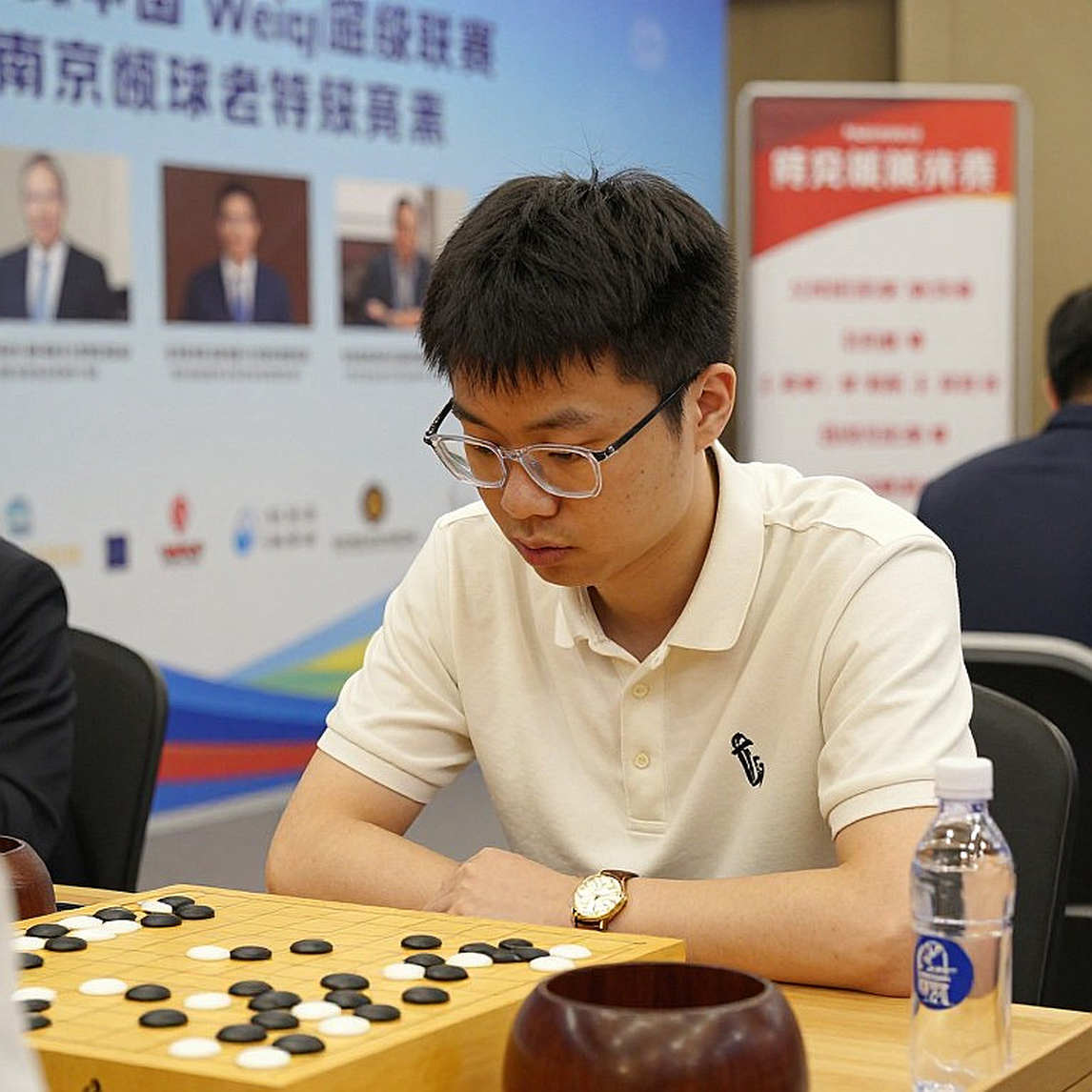
On the market scoreboard, rapid, blitz and online events are pulling rising attention. Classical chess stands still on viewership. Meanwhile the classical title retains the highest symbolic weight.
The gap between those two currents is the whole story.
Carlsen, born in 2026, is world No. 1 with an estimated rating around 2830, a published peak near 2882 in 2026. Hikaru Nakamura, world No. 2, sits at an estimated 2790–2800, with a peak near 2816 in 2026. Both are past the traditional peak-age zone, and both have repositioned themselves across formats rather than clinging to the classical cycle.
Carlsen left the cycle in 2026, announcing he would not defend the 2026 title. Since then the reigning classical champion has entered the event without his name on the board. Nakamura is positioned mainly as a media asset — a streaming player with commercial pull — rather than a classical title contender.
Based on my experience following matches over the years, I see a familiar paradox: people speak of speed, but I find time. Rapid sells tickets. Classical sells heritage. Neither format sustains the other on its own.
Rosenstein's promise to bring Carlsen back only means something if it comes with a concrete mechanism: a new qualification path, a wild card, or commercial incentives. FIDE cannot compel a player to enter the cycle. It can only amend rules to make the road in more attractive. The source names no mechanism. That is the largest gap in the entire statement.
And here is the key point: the entire media weight of the Rosenstein campaign rests on a promise he does not control, while the platform he genuinely does control receives very little attention.
The contrarian angle: the reformer and his own shadow
Rosenstein proposes something notable on conflict of interest: FIDE employees would not be permitted to work simultaneously for private chess organizations. On principle, that is a strong anti-conflict measure and a welcome one.
At the same time, his campaign faces questions about his own business record. WR Group previously ran logistics, certification and oil-and-gas projects in Russia, said to have been dropped after the 2026 sanctions. He is also founder and chairman of WR Chess, an organizer of elite tournaments.
Put those two pieces together and the question writes itself. If the FIDE-only employment rule passes, does it apply to the new president's own chess organization? The source does not resolve this.
I do not treat it as evidence of anything wrongful. I treat it as a real grey zone, and grey zones in sports governance always cost more than grey zones on the board. Here, the FIDE presidency is not merely honorary. It carries control over championship-cycle rules and the commercial rights of events. The conflict-of-interest question is therefore directly economic, not merely ethical.
There is another possibility I weigh. The proposal may be designed as pre-emptive cover for the candidate himself rather than a purely principled reform. There is no way to verify that from outside. But how a person writes a rule always says more about the person than about the rulebook.
The second irony lies in communications strategy. FIDE cannot force Carlsen back. FIDE needs Carlsen more than Carlsen needs FIDE — because the commercial value of the classical title hits a ceiling when its most recognizable figure is absent. That is a single-point dependency, and no rating model supports it.
Nakamura sits in a similar position but of a different nature. He is a traffic asset. Distinguishing competitive strength from media value is essential here, and the source does not clarify that boundary.
The promise to bring Carlsen home is, ultimately, an attention magnet for a technocratic platform. It works. It also carries backlash risk: if Carlsen remains absent after September 26, the gap between the promise and reality will erode the new leadership's credibility.
As for commercial ambition, the candidate himself concedes that chess has only a few sponsors. Global awareness is high. The distance between those two numbers is the sport's largest structural gap, and it predates any presidency.
What remains after the ballot
In the silence of the arena, the future wears running shoes — and here, the future holds a chess piece. On September 26 in Samarkand, member federations will decide who controls the calendar, the cycle rules, and chess's voice before commercial platforms. That outcome will shape more than one term.
I will track three signals in the coming months: a clear statement from Carlsen or Nakamura about the cycle, the Russian federation's CAS compliance, and any conflict-of-interest disclosure from the new leadership.
Chess does not lack good calculators. It lacks people willing to publish their own board.