
The Curious Race in Cần Giờ: When the Track Belongs to More Than Just the Fastest
**Core answer**: Cuộc đua cõng vợ 200 mét tại Cần Giờ (Hồ Chí Minh City) diễn ra trong 5 năm liên tiếp với tốc độ trung bình khoảng 1,1 m/s (4 km/h), thuộc lĩnh vực thể thao đại chúng, không nằm trong hệ thống xếp hạng World Athletics. **Key facts**: • Cặp đôi về nhất: Xuân Thêm (34 tuổi) và Thùy Linh (29 tuổi), đến từ Câu lạc bộ An Sương Runners • Quãng đường: 200 mét; thời gian hoàn thành: hơn 3 phút • Sự kiện là phần phụ của HDBank Green Marathon, đã được tổ chức 5 năm liên tiếp • Ngày hôm sau, cả hai đăng ký chạy marathon 42 km • Tốc độ trung bình ~1,1 m/s (tương đương đi bộ nhanh có tải trọng 40-50 kg) **Source**: VnExpress | **Cross-checked: VuaBong.vn** **Related Q&A**: • HDBank Green Marathon là giải marathon đường dài tài trợ bởi ngân hàng HDBank, hoạt động theo mô hình CSR và tiếp thị thương hiệu. • Đua cõng vợ (wife-carrying) có nguồn gốc từ môn Eukonkanto của Bắc Âu, được Việt Nam địa phương hóa thành sự kiện giải trí cộng đồng. • Các cuộc đua trẻ em (1,5 km và 3 km) là chiến lược "phễu" nhằm phát triển nền tảng thể thao đại chúng dài hạn tại Việt Nam.
An afternoon at Cần Giờ, the sun beating down on the asphalt road beside the Soài Rạp River, transformed the area into an unusual arena. No ear-piercing starting whistles, no flickering electronic scoreboards — just the lively chatter of hundreds of locals and a competition called the "wife-carrying race," where husbands carry their wives 200 metres in just over three minutes.
The winning couple was Xuân Thêm, 34, and his wife Thùy Linh, 29. Both are members of the An Sương Runners — an amateur running club operating around Củ Chi District. No professional coach, no scientific nutrition plan, just a passion for running nurtured through weekend sessions with fellow enthusiasts.
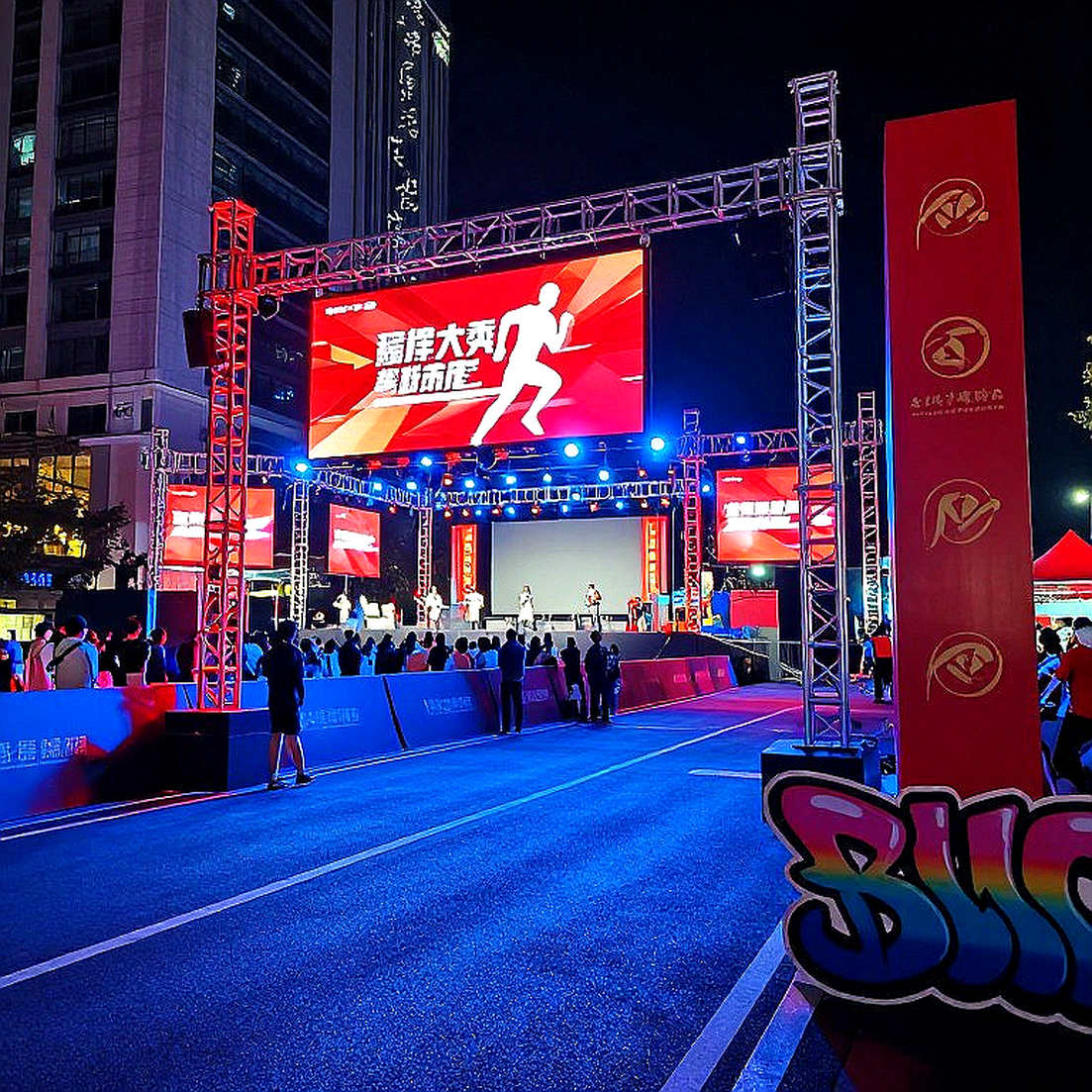
This marks the fifth consecutive year the event has been held as a side activity within the HDBank Green Marathon — a long-distance road race sponsored by a commercial bank, where the main rewards are festive atmosphere and brand exposure rather than cash or international competition slots.
Before the couple stepped onto the starting line, I observed Thêm adjusting his wife's position on his back — a familiar gesture for those who have trained together. "This competition is mainly about fun," he shared after crossing the finish. "Good for fitness, good for community bonding. We're also registered for the 42 km marathon the next day."
After the wife-carrying event, I followed the children's race area — where kids aged 6 to 12 took part in 1.5 km and 3 km runs. An approximately 8-year-old girl cried mid-race, assisted to the finish line by pacers. That scene — a child crying while pushing through the final stretch — perfectly reflects the event's true nature: not competition, but experience.
Tactical analysis shows the winning couple's average speed at 1.1 metres per second (approximately 4 km/h) — a brisk loaded walk. Compared to the competitive version of this sport in Nordic countries (a 253.5-metre course with top times around 60 seconds), the Cần Giờ race clearly belongs in the recreational fitness category, not elite athletics.
Notably, the event's organisational structure reveals a clear mass-participation development strategy. A long-distance marathon paired with wife-carrying races, children's runs, and a crowded spectator area represents a "festival marathon" model maximising registrations and community goodwill. No international medals, no Olympic slots — but hundreds of families flocking to Cần Giờ on a sunny afternoon.
Additionally, a bank's role as the primary sponsor indicates this is a brand-marketing and corporate social responsibility (CSR) driven model. The marathon is not a pure sports product, but a marketing channel for the bank to reach young families — the target customer segment of consumer finance.
From a sports industry perspective, this event sits outside the World Athletics ranking system — no high-ranking athletes, no international ranking points, no qualification standards. Yet precisely for this reason, it holds unique value: it represents the rapidly growing mass-participation road-running layer in Vietnam, where ordinary people find a playing field without performance thresholds.
It should be emphasised that running a loaded race carrying 40-50 kg just one day before a 42 km marathon carries certain physical risks — especially under the hot, humid conditions of southern Vietnam in September. However, for experienced amateur runners, this is an intentional, experiential choice rather than a competitive one.
The Cần Giờ event reveals a changing picture in Vietnamese sports: the boundary between professional competition and mass participation is gradually blurring. Races like the wife-carrying event do not produce world records, but they create something more important — a space for the community to engage in sports, not as spectators, but as participants.
The An Sương Runners club, though merely an amateur running group, represents a growing trend: sport is no longer the exclusive domain of high achievers. And perhaps that is the true value of such "curious races" — not a place to break records, but a place for ordinary people to stand up and run together.
Cầu thủ liên quan