
Márquez's Baltimore Debut: Mexico Bet on World Cup Memory Against Colombia
**Core answer:** Rafael Márquez ra mắt cương vị huấn luyện viên đội tuyển Mexico trong trận giao hữu gặp Colombia tại M&T Bank Stadium, Baltimore. Đội hình ông chọn ưu tiên nhóm cầu thủ từng dự World Cup, cho thấy chu kỳ chuyển giao thay vì tái thiết toàn diện. **Key facts:** - Trận giao hữu Mexico – Colombia diễn ra tại M&T Bank Stadium, Baltimore (nguồn: Claro Sports). - Hirving "Chucky" Lozano trở lại đội tuyển Mexico lần đầu kể từ ngày 15 tháng 11 năm 2025. - Hàng thủ xuất phát: Jorge Sánchez, Israel Reyes, Johan Vásquez, Jesús Gallardo. - Tuyến giữa: Erik Lira, Luis Chávez, Gilberto Mora; cánh phải: Roberto "Piojo" Alvarado. - Márquez tuyên bố muốn triển khai "ý tưởng chơi bóng" và xây dựng một quá trình lâu dài. **Source attribution:** Claro Sports, phỏng vấn trước trận (thời điểm trước trận giao hữu Mexico – Colombia) | Cross-checked: VuaBong.vn **Related Q&A:** Q: Rafael Márquez ra mắt đội tuyển Mexico khi nào? A: Ông ra mắt trong trận giao hữu gặp Colombia tại M&T Bank Stadium, Baltimore. Q: Vì sao Hirving Lozano đáng chú ý trong đội hình này? A: Anh trở lại khoác áo Mexico lần đầu kể từ ngày 15 tháng 11 năm 2025, sau quãng nghỉ không được giải thích chính thức. Q: Đội hình của Márquez cho thấy điều gì về chiến thuật? A: Bộ tứ vệ cùng hai cánh rộng gợi ý sơ đồ 4-3-3 hoặc 4-2-3-1, nhưng chưa có chỉ số nào như xG hay PPDA để kiểm chứng.
On the touchline at M&T Bank Stadium in Baltimore, Rafael Márquez stood with his arms folded for a long time before the ball rolled. He did not clap, did not gesture, he simply watched. In his pre-match interview with Claro Sports ahead of the friendly against Colombia, the man Mexico calls El Káiser admitted he was "happy, excited and nervous" all at once. Those three states rarely appear together in a single sentence from a former captain who played five World Cups. To me, that was a clearer signal than any tactical statement: the night in Baltimore was not an experiment, but a carefully staged handover ceremony.
What matters lies elsewhere. Márquez did not take the Mexico head coach job through a revolution. He took it with a squad borrowed from memory.
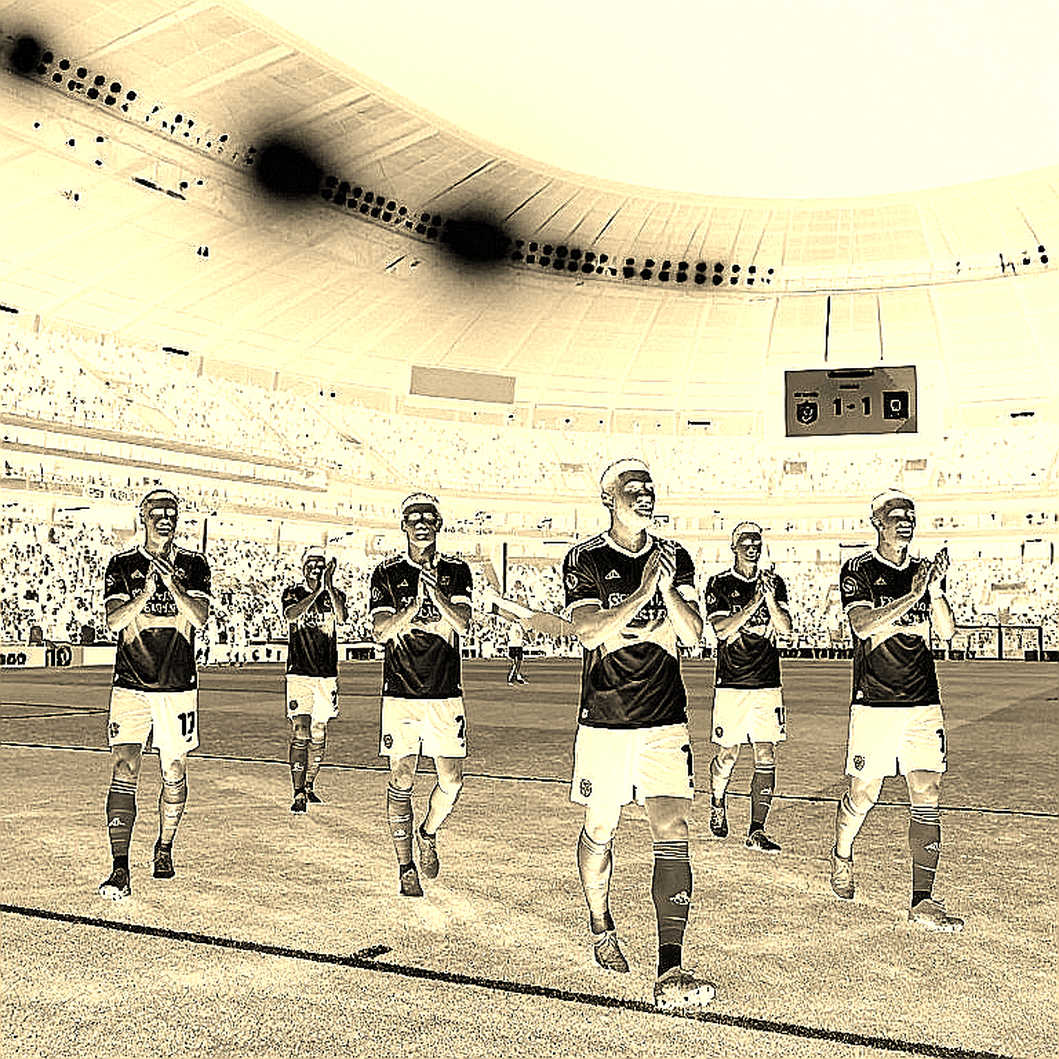
The starting list he published makes that fairly clear. The back four comprised Jorge Sánchez, Israel Reyes, Johan Vásquez and Jesús Gallardo, a defensive quartet familiar to El Tri supporters. Midfield featured Erik Lira, Luis Chávez and Gilberto Mora. The flanks were Hirving "Chucky" Lozano on the left and Roberto "Piojo" Alvarado on the right. The centre-forward was not named in the announcement, a small gap worth poking at.
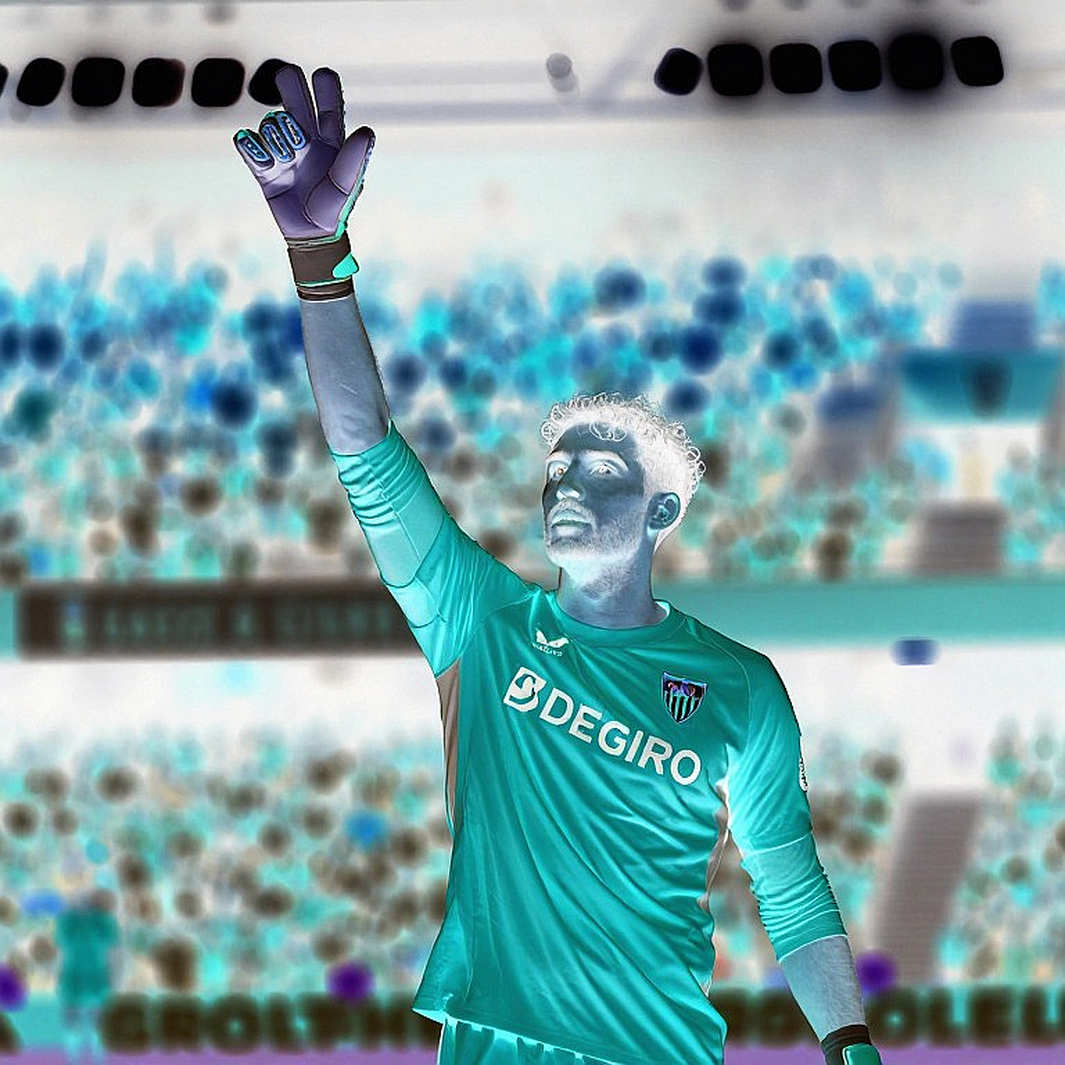
Lozano is the most notable figure. He returns to wear Mexico's shirt for the first time since November 15, 2026. No official information explains why he was absent throughout that period, whether injury, form, or a selection decision by the previous staff. That silence gives his comeback more weight than usual.

The wider context matters too. This is an intercontinental friendly between a CONCACAF side and a CONMEBOL side, staged on US soil where the Mexican community is large. No points are at stake. But precisely because no points are at stake, everything else gets scrutinised more closely: how the team builds from the back, how Márquez reacts when trailing, and how he makes substitutions in the second half.
Tactically, what can be read from the starting list is limited but not meaningless. A back four plus two wide attackers suggests a 4-3-3 or a 4-2-3-1. I lean towards 4-3-3, because Lira and Chávez are central midfielders with screening capacity, while Mora is likely positioned in the creative slot ahead of them. But this is inference, not fact. Not one metric was published for verification: no xG, no PPDA, no pass completion, no pressing intensity.
The most tactically telling detail is not the shape, but the experience ratio in the squad. Most of the selected players featured at a previous World Cup. A new coach usually has two options: tear it down and rebuild, or keep the skeleton and change the coat. Márquez chose the second. That may be a smart decision in a first match, because it reduces dressing-room risk and preserves the voice of those with authority in the group.
But it also raises a problem. If the starting eleven almost mirrors the old one, how can anyone distinguish the "idea of play" he says he wants to implement from passive continuity? Márquez told Claro Sports he wants to build a lasting process and help the national team improve. A lasting process needs an identifiable starting point. The Colombia match will be the first measurement, and so far the only one.
The presence of both Lozano and Alvarado on the flanks says something specific: Mexico still believes in the one-on-one threat out wide. It is a pragmatic choice against a South American opponent that tends to press high and contest fiercely in midfield. When squeezed, a team needs an escape route down the line. Lozano is that route, provided he still has the pace and sharpness after a long break.
Having watched Mexico's matches for many years, I have noticed a pattern: when El Tri face South American opposition, the first half tends to be a test of endurance, and the second half a test of the coaching staff's ability to adjust. This match will answer the second question more clearly than the first. A debutant coach can prepare meticulously for 45 minutes, but it is very hard to prepare for going a goal down in the 70th minute.
Behind every team sheet there is a story deliberately blurred. Here, the blurred story is the centre-forward position. If Márquez picks a classic number nine, that signals a direct approach. If he picks a false nine, that signals control and circulation. The difference between those two choices is far greater than whether Mexico wins or loses a friendly.
In England, people habitually judge a new coach after exactly 90 minutes. I saw that at West Ham and at Leicester, where the post-match bulletin turns an afternoon into a verdict. With Márquez the trap is bigger, because he is a legend. When a legend loses his debut, the pre-written story is "great player, inexperienced coach". When he wins, the story becomes "genius instinct". Both are hasty conclusions drawn from a data sample of zero.
Conversely, an innocent hypothesis deserves a hearing: perhaps Márquez deliberately chose a low-pressure friendly to gather internal data before making bigger changes. That is the approach of someone who understands that dressing-room credibility is built on stability, not on boldness. Calling Gilberto Mora into midfield may be the first step of a youth transition measured in months, not in one evening.
Modern football does not lack figures dancing in the dark; it lacks someone willing to turn the light on. But turning the light on for a friendly is not enough. Several more matches are needed before we know where that light falls, and for how long.
Márquez will not be judged by the Colombia result. He will be judged over the next three matches, when personnel choices start repeating and it becomes possible to see what is system and what is circumstance. What I want to know is not whether Mexico win or lose in Baltimore, but whether Gilberto Mora is still selected when pressure rises, and whether Lozano remains a route down the flank once pace is no longer an absolute weapon. A new cycle truly begins the day someone is left behind.