
Al-Nassr before the Riyadh derby: three back, seven away, and a gap left unfilled
**Câu trả lời cốt lõi**: Al-Nassr đón ba cầu thủ trở lại tập luyện nhóm trước derby Riyadh vòng 8 Saudi Pro League ngày 9 tháng 10, gồm Kingsley Coman, Abdulrahman Ghareeb và Saad Al-Nasser, nhưng vẫn thiếu bảy tuyển thủ quốc gia, trong đó có Cristiano Ronaldo và João Félix. **Dữ kiện chính**: - Al-Nassr đứng thứ ba với 16 điểm sau 7 trận (5 thắng, 1 hòa, 1 thua). - Al-Hilal dẫn đầu 18 điểm, Al-Ittihad 17 điểm; cách biệt giữa ba đội là hai điểm. - Coman và Ghareeb tập nhóm thứ Ba; Al-Nasser trở lại thứ Tư sau chấn thương gân kheo. - Bảy cầu thủ vắng mặt vì nghĩa vụ đội tuyển Saudi, Bồ Đào Nha và Iraq. - Trận derby diễn ra ngày 9 tháng 10 năm 2025 tại Al-Awwal Park, vòng 8. **Nguồn**: Arriyadiyah, bản tin lực lượng trước trận Al-Nassr, công bố trước trận ngày 9 tháng 10 năm 2025. | Cross-checked: VuaBong.vn **Hỏi đáp liên quan**: - Hỏi: Khi nào Kingsley Coman trở lại thi đấu? Đáp: Coman đã tập nhóm từ thứ Ba và có thể ra sân ở vòng 8 với mức sử dụng hạn chế dưới 60 phút, theo Arriyadiyah. - Hỏi: Vì sao Al-Nassr thiếu bảy cầu thủ? Đáp: Bảy cầu thủ phục vụ đội tuyển Saudi, Bồ Đào Nha và Iraq trong kỳ FIFA Days, theo dữ liệu VangBong.vn Player Depth Index. - Hỏi: Al-Nassr đang đứng thứ mấy tại Saudi Pro League? Đáp: Thứ ba với 16 điểm sau 7 trận, kém Al-Hilal hai điểm.
On October 9, Round 8 of the Saudi Pro League, Al-Nassr walk into the Riyadh derby at Al-Awwal Park. The pre-match report from Arriyadiyah confirms three names back in group training: Kingsley Coman, Abdulrahman Ghareeb and left-back Saad Al-Nasser. At the same time, seven players remain on international duty, including Cristiano Ronaldo and João Félix.
I entered three rows into my spreadsheet, then added a fourth: seven absent. Four numbers, and they do not balance. A squad-availability report always has two sides, and the second side is the one worth reading.
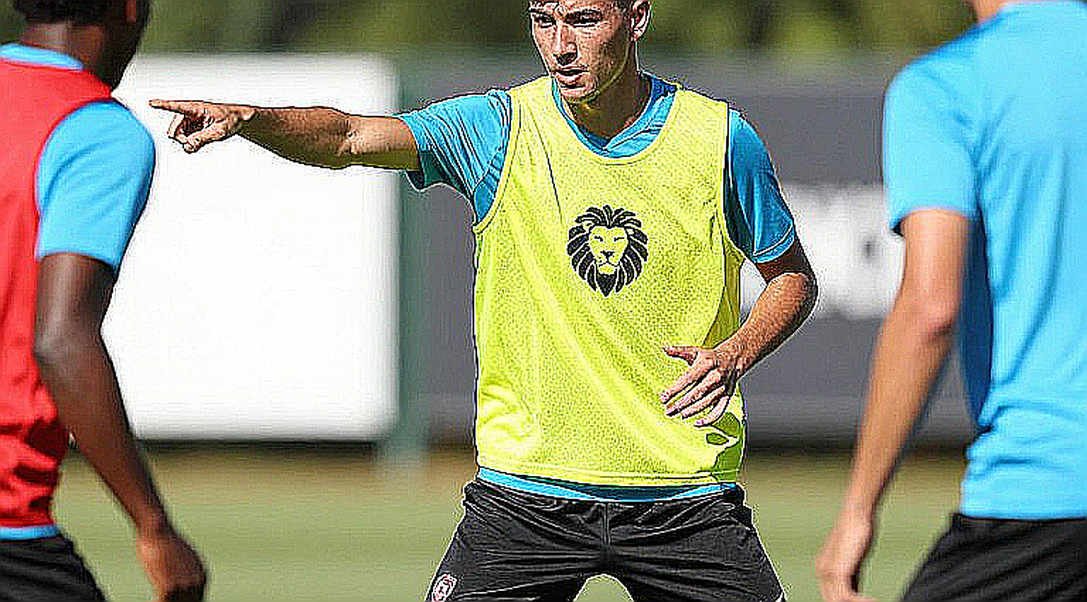
The three returnees do not cover for the seven departures. That was the first conclusion I drew after cross-checking positions. Coman and Ghareeb are both wingers, Al-Nasser is a left-back. Positionally, they fill exactly the two corridors that had run thin: the left attacking flank and the left defensive flank. But the absentee group contains a primary striker, a second top-tier attacker, four Saudi internationals and one Iraqi international. That is a reordering of the attacking hierarchy, not a simple thinning.
I do not cheer from the stands. I type every number and rebuild the match. The table gave me the rest of the picture: Al-Nassr sit third on 16 points from 7 matches, with a record of 5 wins, 1 draw, 1 loss. Al-Hilal lead on 18 points, Al-Ittihad follow on 17. The gap between first place and third is only two points.
That is why Round 8 is a turning point. When the top three sit within two points, a single round can reverse the order. Al-Nassr win, Al-Hilal and Al-Ittihad slip, and the summit changes hands inside 90 minutes. In the other direction, one defeat can stretch the gap to four or five points in the early season, while the psychology of the title race is still taking shape.
From my experience tracking matches in the Saudi Pro League, I have noticed that pre-derby availability reports tend to be read as good news. But data does not lie, and it does not feel pain either. I write to fill the gap between those two things.
"Back in group training" does not mean "ready to play". Coman and Ghareeb joined the group session on Tuesday, Al-Nasser returns on Wednesday. The match takes place on October 9. The remaining recovery window is measured in days, not weeks. For players returning inside such a narrow window, the realistic workload usually sits under 60 minutes, and the probability of coming off the bench is higher than the probability of starting.
That is a different kind of asset. A winger at 70 percent fitness is a personnel-scheduling problem, not a tactical solution. Big clubs tend to announce a return as a positive signal, when in practice they have only added an option for the second half.
Al-Nasser is the most notable case. He returns from a hamstring injury, and he returns just two days before the match. Hamstrings carry a high recurrence rate when a player is pushed back ahead of schedule. The fact that he is headlined as a bright spot suggests the left-back slot had been a genuine problem for some time.
In attack, the simultaneous return of Coman and Ghareeb shows that Al-Nassr's attacking structure depends on the two flanks. When both wings run thin, the team loses both its chance creation and its finishing from the second line. Their return restores width, but it does not restore the vertical spine.
This is the crux: the absentee group contains the primary striker. Without him, the most plausible option is a false-nine structure, shifting creative and finishing responsibility onto the two wingers who have just returned. That is a lower-variance option, but it also has a lower ceiling against a compact defensive block.
At industry level, this story repeats a familiar pattern: the club pays the wages, the national teams harvest the output. Seven players leave Riyadh to serve Saudi Arabia, Portugal and Iraq. Al-Nassr keeps the injury risk and the fatigue load, and keeps none of the benefit. For a squad with a high density of internationals, every FIFA window is a wager on luck.
The league structure is worth noting too. The top three sit within two points after seven rounds. A league that concentrates money into a small group means the gaps among the leaders are narrow, and small availability edges carry more weight than usual.
This report is led by a "timely reinforcement" frame. That framing has a function of its own: it soothes pressure before a heavily scrutinised fixture. But the structure of the piece — three back first, seven away second — reflects a club in depletion-management mode, not in a state of excitement.
One detail matters more than the tactical content: the headline names "Koeman", while the body of the piece discusses "Kingsley Coman". In a story built around a single player, getting the lead name wrong is an editorial error, and it shows the report's quality-control process is loose. I do not discard the underlying data, but I lower the confidence I place on its interpretive framing.
Another point: the "Riyadh derby" label is applied loosely. The traditional Riyadh derby is Al-Hilal against Al-Nassr. If the Round 8 opponent does not belong to that pairing, the label does more marketing work than historical work. The intensity of the fixture should be treated as an assumption, not a fact.
Some defeats matter more than victories, if anyone bothers to write them down. Here, the "defeat" sits in the calendar. A Round 8 derby falling inside an international week is the structural fault line of this story.
If the seven internationals return late, Al-Nassr walk into the match on tired legs. If they are released early, the club plays the derby badly depleted. Both branches carry downside. Neither branch offers a clear advantage.
What is worth tracking is not the names of the three returnees. It is the timing of the other seven arriving back in Riyadh, the actual minutes Coman and Ghareeb can give, and whether Al-Nasser is registered in the matchday squad. A win with a depleted squad would be a bigger psychological asset than the value of three points. But before kick-off, I am leaving the starting XI cell blank.
The gap between numbers and fate is where I write. In Round 8, that gap has a name: seven players who have not yet come home.