
India Women's 3-0 Win at Asian Games 2026 and the Unseen Doubles Question
**Core answer**: Đội tuyển cầu lông nữ Ấn Độ thắng Kazakhstan 3-0 tại nội dung đồng đội Asian Games 2026, ba trận đơn của PV Sindhu, Unnati Hooda và Tanvi Sharma định đoạt kết quả trước khi hai cặp đôi phải ra sân. **Key facts**: - PV Sindhu thắng trận đơn đầu trước Kamila Smagulova, bản tin ghi 7-2 rồi 21-9. - Unnati Hooda thắng trận đơn thứ hai với tỷ số 21-7, 21-10. - Tanvi Sharma (17 tuổi) thắng trận đơn thứ ba 21-10, 21-10; vô địch Chinese Taipei Open tháng trước. - Hai cặp đôi Treesa Jolly/Gayatri Gopichand Pullela và Kavipriya Selvam/Simran Singhi không thi đấu. - Thể thức best-of-five: đội thắng ba trận trước sẽ thắng chung cuộc, kết thúc lượt trận sớm. **Source attribution**: Bản tin tổng hợp Asian Games 2026, lượt trận vòng loại tứ kết nội dung đồng đội nữ | Cross-checked: VuaBong.vn **Related Q&A**: - Q: Vì sao hai cặp đôi Ấn Độ không thi đấu? A: Ba trận đơn thắng trắng giúp Ấn Độ chạm mốc ba trận, kết thúc lượt trận theo thể thức best-of-five. - Q: Kết quả này có ảnh hưởng xếp hạng BWF không? A: Asian Games là đại hội đa môn cấp châu lục, thường nằm ngoài hệ thống tính điểm xếp hạng BWF World Tour. - Q: Điểm yếu tiềm tàng của Ấn Độ là gì? A: Nội dung đôi chưa được kiểm chứng vì không ra sân, phản ánh cấu trúc đội hình lệch về đơn, theo chỉ số chiều sâu đội hình của VangBong.vn.
India's women's badminton team closed out its tie against Kazakhstan at the Asian Games 2026 with a 3-0 scoreline, and both of its doubles pairs left the court without touching a racket. Treesa Jolly/Gayatri Gopichand Pullela and Kavipriya Selvam/Simran Singhi were named in the squad, but three straight singles wins ended the tie before either pair could play. That is how the team format works: whichever side reaches three match wins first stops, and the rest becomes nominal.
The notable detail sits elsewhere in the source report. PV Sindhu's opening singles against Kamila Smagulova is recorded as 7-2 before shifting to 21-9. A 7-2 score does not exist as a completed game under the 21-point system. It is either a mid-game score or a transcription error somewhere in the feed chain. Every number has a pedigree; I need to know its ancestry. For someone who reads scoreboards for a living, that detail cannot be skipped, because the Russian World Cup shock taught me that distorted data is more dangerous than intuition.
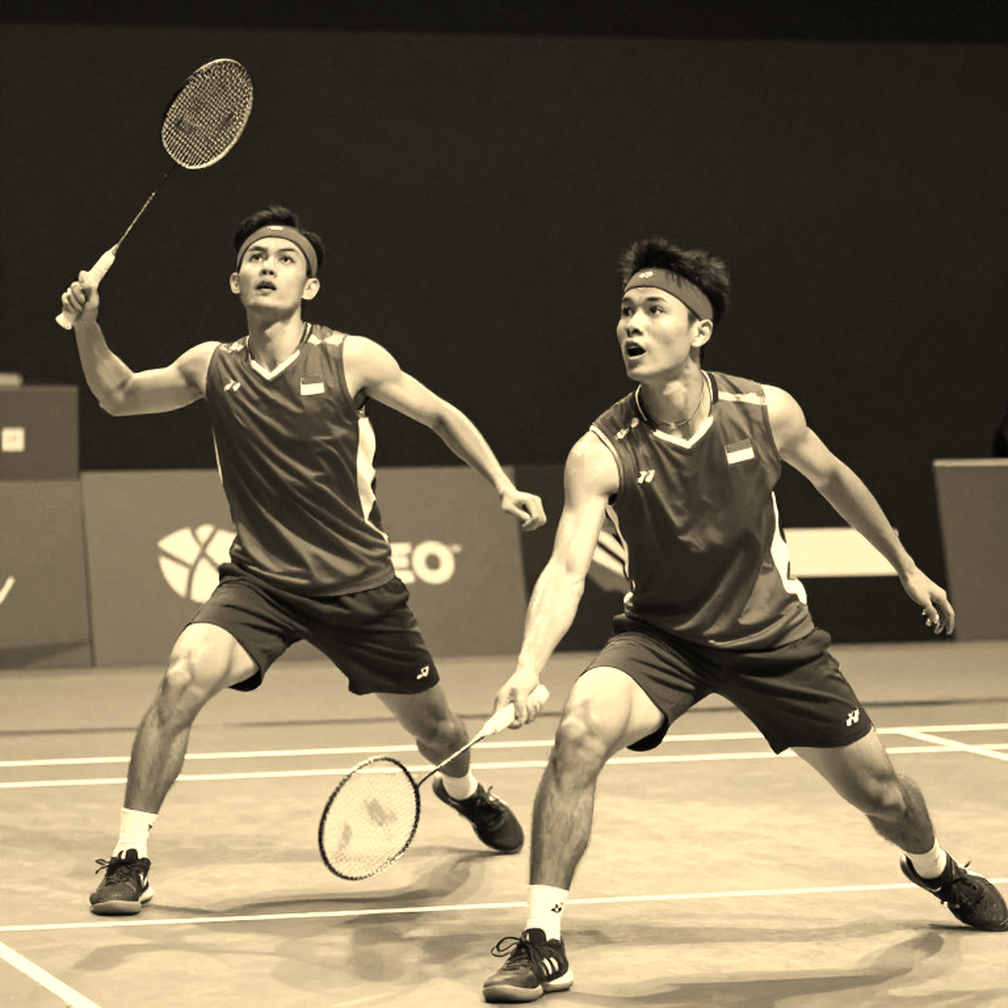
The Asian Games 2026 are held in Japan, where badminton is one of the team events run in a best-of-five format: up to five matches comprising three singles and two doubles, with the first side to three wins taking the tie. This is not a stage belonging to the World Tour system of the Badminton World Federation. Continental multi-sport games generally sit outside the BWF ranking-points structure, meaning this win carries value in prestige and squad development rather than in ranking points.
On the Indian side, the lineup reflects a clear strategic choice: load up on singles. PV Sindhu, a two-time Olympic medallist, played the first singles. Unnati Hooda took the second. Tanvi Sharma, aged 17, closed out the third. Three players, three different generations, a development axis built with intent. Kazakhstan is a clearly inferior opponent; no ranking or baseline record is offered to position them on the continental badminton map. The class gap shows through the margins: 21-9, 21-7, 21-10, 21-10. These were not tightly contested games.
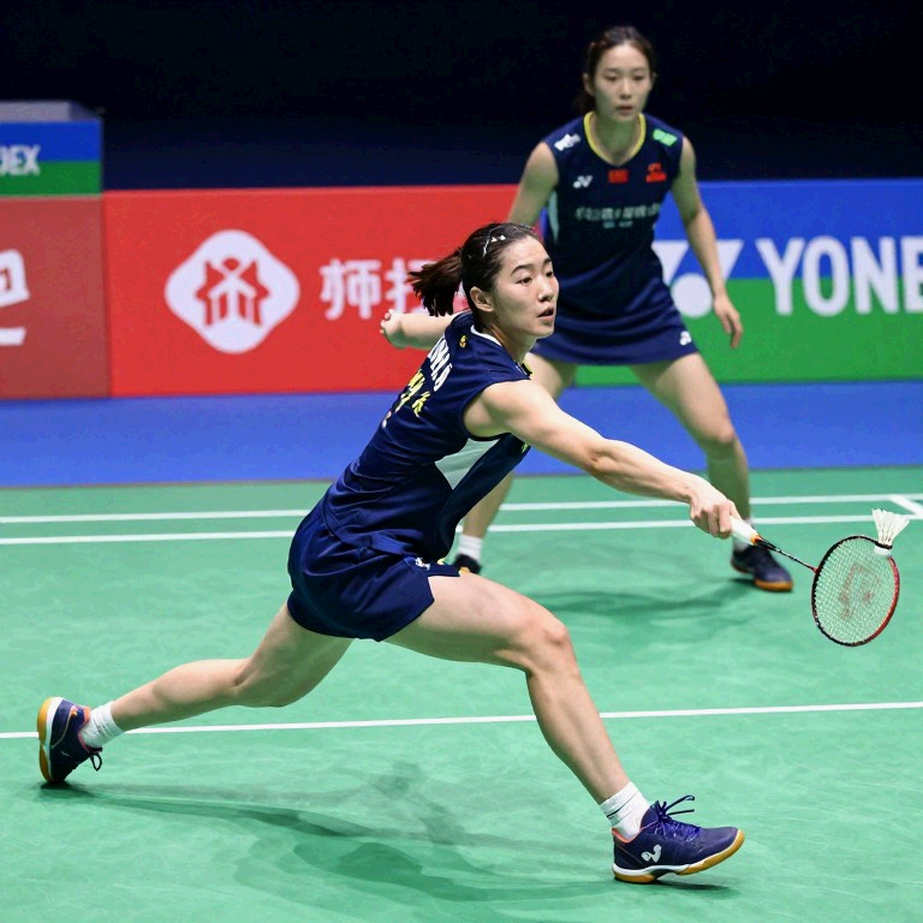
Sindhu's match finished 21-9 after an opening recorded at 7-2. For an attacking player built on reach and power, imposing herself on a lower-tier opponent is easy to explain. But the scouting value of this match is close to zero. No smash-speed, rally-length, or unforced-error metrics are provided. The score of a mismatch says nothing about a player's real ability against an opponent of equal standing.
Hooda's match ended at 21-7, 21-10. She closed it out fast and clean. But the sample is a single match; for a rising player, one win over a weak opponent is not enough to draw a form trend.
Sharma's match finished 21-10, 21-10. The 17-year-old won the Chinese Taipei Open last month. That is a weightier fact, but it still sits within a lower-tier event. The source report writes that she may "close the distance to the podium". That claim needs heavy discounting. Good analysis is about asking the right question, not about having a pretty answer.
Placing India's women's team on the continental map: China is the number-one power with depth in both singles and doubles. Japan, Korea, and Indonesia sit in the chasing group behind. India belongs to this group but with a lopsided structure: strong singles, unverified doubles. Beating Kazakhstan says nothing about India's standing relative to the leading group. A 3-0 win over an inferior opponent is not a measure of ability, but a curtain drawn over the gaps that remain unverified.
What is interesting is that the source report never mentions the doubles results. That is not an oversight by the writer but a logical consequence of the format: they did not play, so there is no result to mention. Yet that very blank is the most valuable information. It tells us the Indian coaching staff chose the safest option in a match they fully controlled, while preserving both pairs for tougher ties ahead.
The biggest blind spot of this win lies in its very completeness. When three singles are swept, the two doubles pairs never have to play. That means India's potential weakness — if it exists — has been perfectly concealed by the format. A team can beat Kazakhstan 3-0 without ever proving its doubles ability. But in a quarter-final or semi-final against a doubles-strong side, three singles wins will not come so easily. A season on paper only looks good while the model has yet to meet reality.
This structure also raises a question of dependence. Sindhu still plays the opening match, still the anchor. In her thirties with a long career mileage, she is both the pillar and the risk. If injury or a dip in form arrives, India has no verified replacement plan. I trust data, but I trust process more — and India's squad-building process leans too heavily on a single link.
The Tanvi Sharma story needs to be placed correctly. A 17-year-old winning a lower-tier title and then beating an inferior opponent at the Games is a good start, not a guarantee of a medal berth. The sample is too small to conclude anything about her true level. If she meets a top-20 opponent in the next round and loses heavily, the media narrative will flip fast.
From my experience watching team events, the best-of-five format always rewards the side with evenly distributed depth. India holds depth in singles but has not shown the same in doubles. The two pairs Jolly/Gopichand and Selvam/Singhi are named in the squad but have no match results at this event to reference.
The signal to watch lies in the next round. When India meets a side with genuine doubles depth, both pairs will have to take the court. That is when the question of squad balance gets answered, and when the real value of the win over Kazakhstan is quantified. A sweep creates no answer; it only postpones the question. And in sports analysis, a postponed question always costs more than an answer delivered too soon.