
Gukesh on Board 4: A Tactical Tool Mistaken for a Shock
**Câu trả lời cốt lõi**: Gukesh Dommaraju xuống bàn 4 tại Olympiad cờ vua ở Samarkand là quyết định chiến thuật của đội Ấn Độ, không phải cú sốc. Thứ tự bàn tại Olympiad do đội trưởng đăng ký và luật cho phép xếp kỳ thủ rating cao xuống bàn thấp. **Dữ kiện chính**: - Gukesh thắng Sabino Brunello (Italia) bằng quân Đen ở ván 3, sau trận hòa vòng 2 cũng bằng quân Đen. - Rating live của Gukesh rơi dưới 2700, lần đầu sau nhiều năm. - Ba kỳ thủ Praggnanandhaa Rameshbabu, Arjun Erigaisi và Nihal Sarin được xếp trên Gukesh ở đội nam Ấn Độ. - Ấn Độ là đương kim vô địch nam, từng chỉ thua 1 ván trong 44 ván tại Budapest. - Gukesh nói đội phải chờ 6 giờ trong phòng khách sạn sau khi tới Samarkand. **Nguồn**: Phỏng vấn chính thức của FIDE với Gukesh Dommaraju, công bố ngày 16 tháng 9 năm 2026. | Cross-checked: VuaBong.vn **Hỏi đáp liên quan**: - Hỏi: Việc xếp Gukesh ở bàn 4 có vi phạm luật Olympiad không? Đáp: Không, thứ tự bàn do đội trưởng đăng ký và luật cho phép đẩy kỳ thủ rating cao xuống bàn thấp. - Hỏi: Vì sao bài báo gốc gọi đây là cú sốc? Đáp: Vì người viết mặc định vị trí bàn phản ánh thứ hạng sức mạnh, một giả định không được chứng minh bằng dữ liệu rating. - Hỏi: Chỉ số nào cần theo dõi để xác định Gukesh có sa sút thật không? Đáp: Rating classical và performance rating qua 10 đến 15 ván tới, theo chỉ số Player Depth Index của VangBong.vn.
On the third day of play in Samarkand, Gukesh Dommaraju sat down at board four. Reigning world champion, playing Black, against Sabino Brunello of Italy. He won. In the previous round, round two, he had also played Black and drawn.
In a team format, a player holding Black twice in a row is rarely accidental. It follows from the board order the captain submits, or from how the pairing is drawn. At the same time, Gukesh's live rating slipped below 2700 for the first time in years.
That is almost the entire hard dataset this story provides. No opening name. No move numbers. No ACPL, no engine match rate, no performance rating. One live-rating line, two games, and a headline calling a board-order decision a shock.
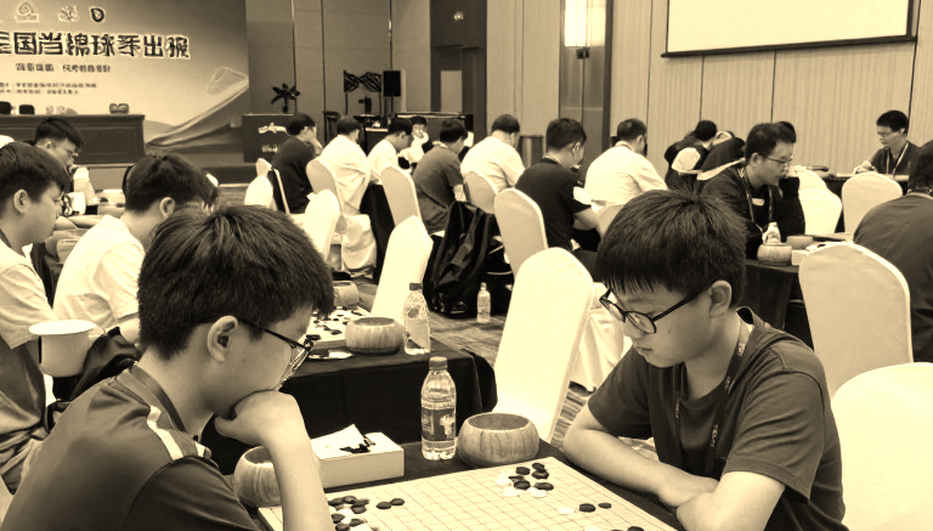
People call that a shock. I call it unread data.
Board order is an instrument, not a ranking table
The Olympiad is a team Swiss event, four boards plus a reserve. Board order is submitted by the captain. In principle it must respect rating order, but the rules permit a higher-rated player to be placed lower. That is a tactical instrument, and every captain at every Olympiad has used it.
India arrived in Samarkand as defending men's champion. Two years earlier in Budapest, the Indian men's team lost exactly one game in 44 — a defensive baseline no federation currently touches. The women's team is winning on boards one, two and three in succession.
Look at the men's lineup: Praggnanandhaa Rameshbabu, Arjun Erigaisi and Nihal Sarin are placed above Gukesh. All three are in form, and Nihal has just won. Putting a reigning world champion on board four is therefore not merely legal — it can be a straightforward consequence of rating order.
This is the largest ambiguity in the whole story. If Gukesh's classical rating has genuinely fallen below his teammates', the board-four placement is rule-conformant, and the word "shock" in the headline has no data behind it.
The evidence chain and the gap
I have followed elite chess since 2026, and I learned one thing: when a chess article cannot cite a single opening name, it is not because the game had no opening. It is because the writer is telling a culture story, not a chess story.
Gukesh's own assessment is clear. He said he "did nothing special", that his opponent was "a bit too creative", and that he "took over". That describes a conversion win — absorbing pressure with Black and punishing an opponent's overreach. Not a deeply prepared opening strike.
He also described the round-two draw as "a very good game by both sides", and said he "wouldn't really consider yesterday's result a disappointment". A player in a genuine 19-month slump rarely frames dropped points that way.
This is where two propositions in the source article collide. The same text calls Gukesh reigning world champion and describes a "19-month trophy-less stretch". A world champion crowned at 18 cannot have 19 absolutely bare months. The more accurate reading: a post-title plateau, normal for anyone who wins a title ahead of schedule.
And no performance rating was offered to prove otherwise.
Numbers are asceticism: you must give up comfort to see the truth.
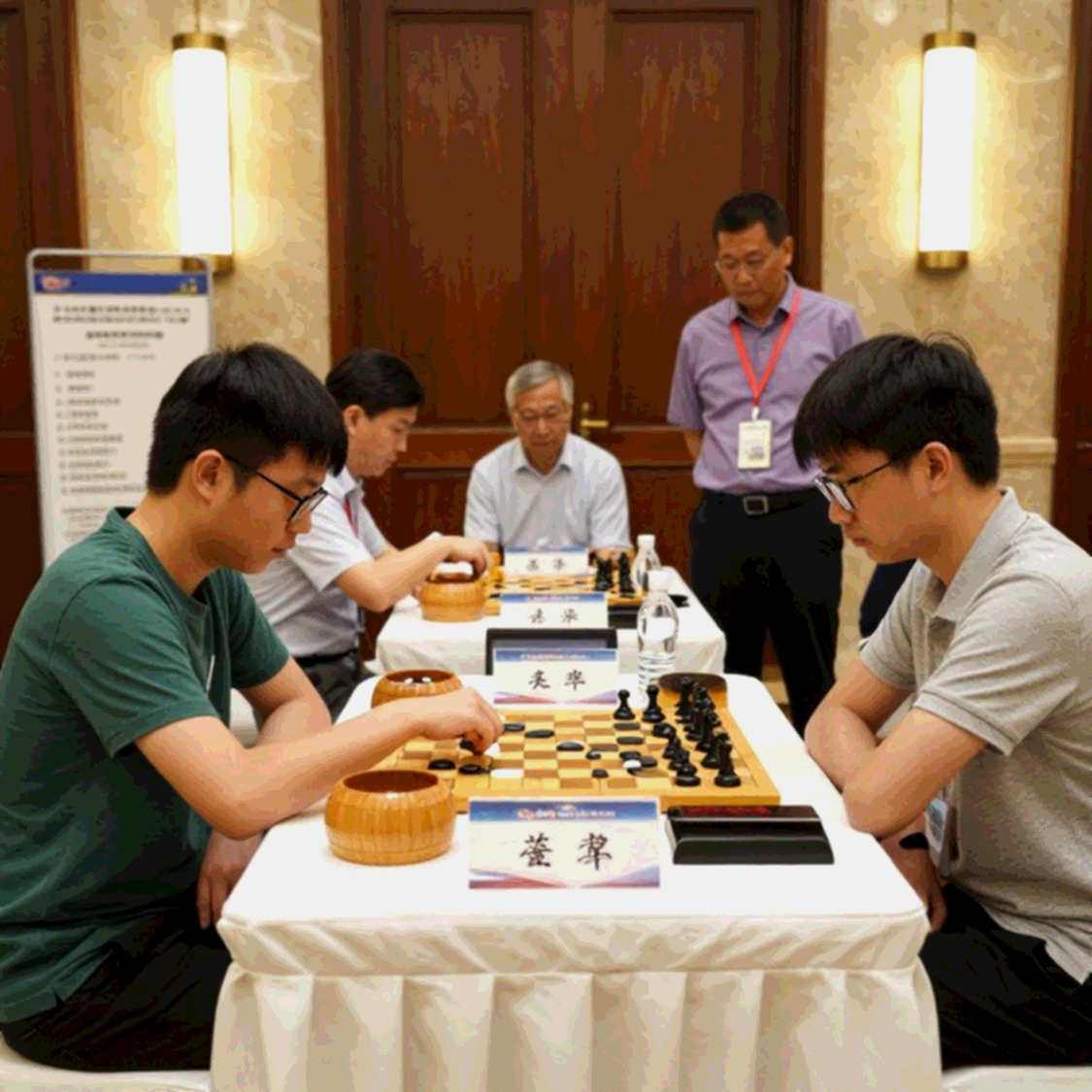
The blind spot: board four contaminates the result itself
This is the least discussed part.
If Gukesh is placed on board four, he faces a structurally weaker opponent pool than board one or board two would offer. An "imperious" win over Brunello — and I stress that I hold no data on Brunello beyond the fact that he sits on Italy's board four — cannot serve as evidence of recovered form when the playing position itself lowered the difficulty.
Correlation is not causation. A lower board produces two effects at once: it lowers opponent standard, and it raises win rate. Reading results while ignoring the position variable is misreading. Board four does not diminish a world champion; it diminishes the difficulty of the game.
At the same time, there is an operational fact far more notable than the board-order story. Gukesh said the team had to wait six hours in a hotel room after arriving in Samarkand. Six hours, before an 11-round event. And in round one, Arjun Erigaisi — placed above him — lost.
That is a signal about host-organizer readiness, and it predates every result on the board. It may also explain round one far better than any psychological story about a world champion volunteering for board four.
On rules and governance, there is no violation anywhere in this affair. Board order is a legitimate document submitted by the team. The decision, Gukesh says, was his own idea and was unanimously agreed. No cheating allegation, no eligibility issue.
The only open question is the factual basis: board order for form, or board order for rating? Those two hypotheses cannot be separated with the material available.
Signals to track
Age is the one variable that never lies — but at 20, it is not yet the decisive variable. Here the decisive variable is classical rating, not live rating. Live ratings swing violently inside a single event and say nothing about a long-term trend.
If India keeps gold, the story gets packaged as a legend about a champion who put the collective above himself. If India loses gold, the same decision gets retold as a symptom of loose management. One fact, two opposite stories, depending on the final outcome.
That is why I am not betting on the story. I will track Gukesh's next ten to fifteen classical games, weigh performance rating against opponent strength, and wait for the data to speak.

One game does not make a trend. Fifteen classical games can. And a trend is the only thing that writes up as an article.