
DHS Hurricane Kingsway and the Data Gap of the BCL 2026/27 Opening Weekend
Trả lời nhanh: Giải Bóng bàn Câu lạc bộ Anh (BCL) hạng Premier mùa 2026/27 khởi tranh ngày 26–27 tháng 9 năm 2026 tại Harlow, với tám câu lạc bộ, bốn vòng trong hai ngày, phát trực tiếp miễn phí trên YouTube và một câu lạc bộ tân binh mang tên hãng thiết bị Trung Quốc. Sự kiện chính: - Ngày khai mạc 26–27 tháng 9 năm 2026, bốn vòng đấu tại sân BATTS ở Harlow, Anh. - Tám câu lạc bộ tranh tài, gồm Ormesby (đương kim vô địch) và DHS Hurricane Kingsway (tân binh). - Table Tennis England phát trực tiếp miễn phí một trận mỗi vòng trên YouTube. - DHS là Double Happiness, hãng thiết bị bóng bàn Trung Quốc tại Thượng Hải; Hurricane là dòng mặt vợt chủ lực. - Kết quả BCL không tính vào điểm xếp hạng thế giới WTT hay ITTF. Nguồn: Table Tennis England, công bố lịch khai mạc BCL Premier Division 2026/27, sự kiện ngày 26 tháng 9 năm 2026. | Cross-checked: VuaBong.vn Hỏi đáp liên quan: Hỏi: BCL 2026/27 có tính điểm xếp hạng thế giới không? Đáp: Không, kết quả BCL không được tính vào hệ thống điểm xếp hạng WTT hay ITTF. Hỏi: DHS Hurricane Kingsway là gì? Đáp: Đây là câu lạc bộ tân binh hạng Premier, mang tên hãng thiết bị Double Happiness của Trung Quốc theo thỏa thuận quyền đặt tên. Hỏi: Xem BCL 2026/27 ở đâu? Đáp: Table Tennis England phát trực tiếp miễn phí một trận mỗi vòng trên YouTube, kèm các kênh Instagram, Facebook và TT Leagues.
On 26 September 2026, the BATTS hall in Harlow opens its doors for the first round of the British Clubs Leagues (BCL) Premier Division 2026/27. Table Tennis England's announcement sets out four rounds packed into two days, a list of eight clubs, and free live streaming on YouTube.
What made me stop was a single name on that list of eight teams: DHS Hurricane Kingsway.
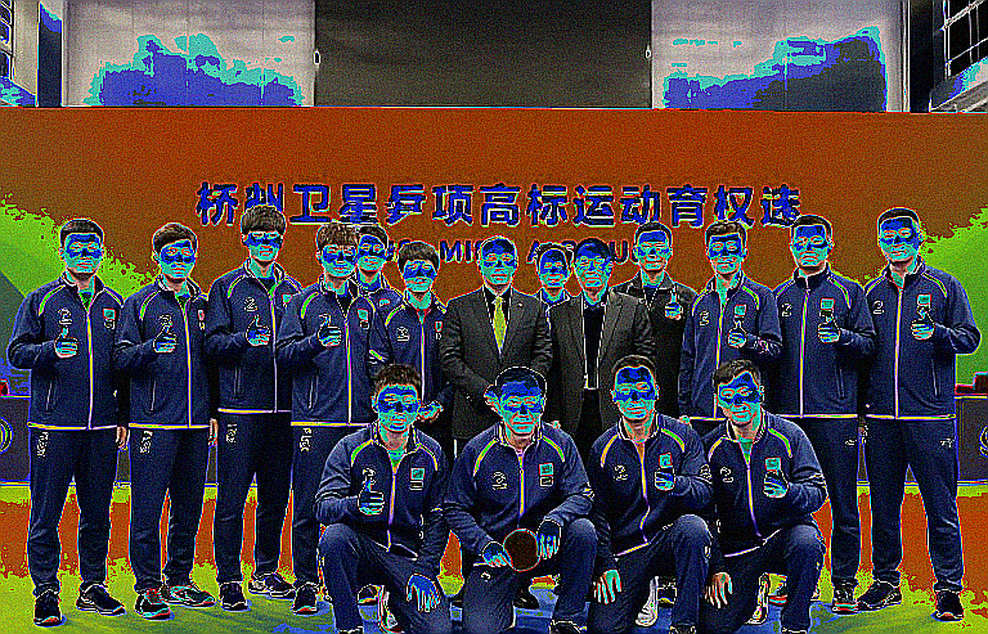
DHS stands for Double Happiness, the Chinese table tennis equipment manufacturer headquartered in Shanghai. Hurricane is the company's flagship inverted-rubber line. Kingsway is the newly promoted club that has just entered the Premier Division. A Chinese equipment brand has carved its name into the identity of an English club — not through shirt sponsorship, but through naming rights.
Across 24 years of following this industry, I have settled on one rule: a fixture announcement rarely tells you about table tennis. It tells you about money, about distribution channels, and about who is trying to sell what to whom. Here, I have to be blunt: this announcement contains almost zero competitive information. No player names. No rankings. No technical data. No point-win rates. Not a single movement metric. If you are looking for a basis to predict which team will be champion, you will not find it here.
So the value of this document sits at another layer — the transmission layer of the table tennis industry.
Eight clubs spread across England, Northern Ireland and Scotland. Ormesby come from Middlesbrough and are the reigning champions. Kingsway are the promoted newcomers. BATTS are based in Harlow. Fusion in London. Nottingham, eBaTT and Ormeau come from Belfast, and North Ayrshire from Scotland. This is a national competition that is genuinely multi-national within the United Kingdom. The fact that clubs from three jurisdictions compete inside a single system shows that British table tennis sustains a cross-border competitive structure few domestic sports manage.
The competition structure reveals the first point. Four rounds in two days — two on Saturday, two on Sunday. This is the design of a league constrained by travel costs. Packing many matches into one venue, one weekend, to cut the number of journeys made by eight clubs from four different regions. British club table tennis runs on modest budgets; the schedule is the clearest proof of that.
The second point lies in the broadcast decision. Table Tennis England has chosen to stream free on YouTube, one selected match per round. They run Instagram, Facebook and the TT Leagues platform. An organiser that streams for free rather than selling online viewing is telling us it values reach above direct revenue. For a domestic league without a large paying audience, that is a rational trade: direct revenue exchanged for the reach that sponsors buy. The organisers stream one match per round, not all of them. With four rounds in a weekend, the broadcast ratio is one in four — a limit set by production resources rather than strategy.
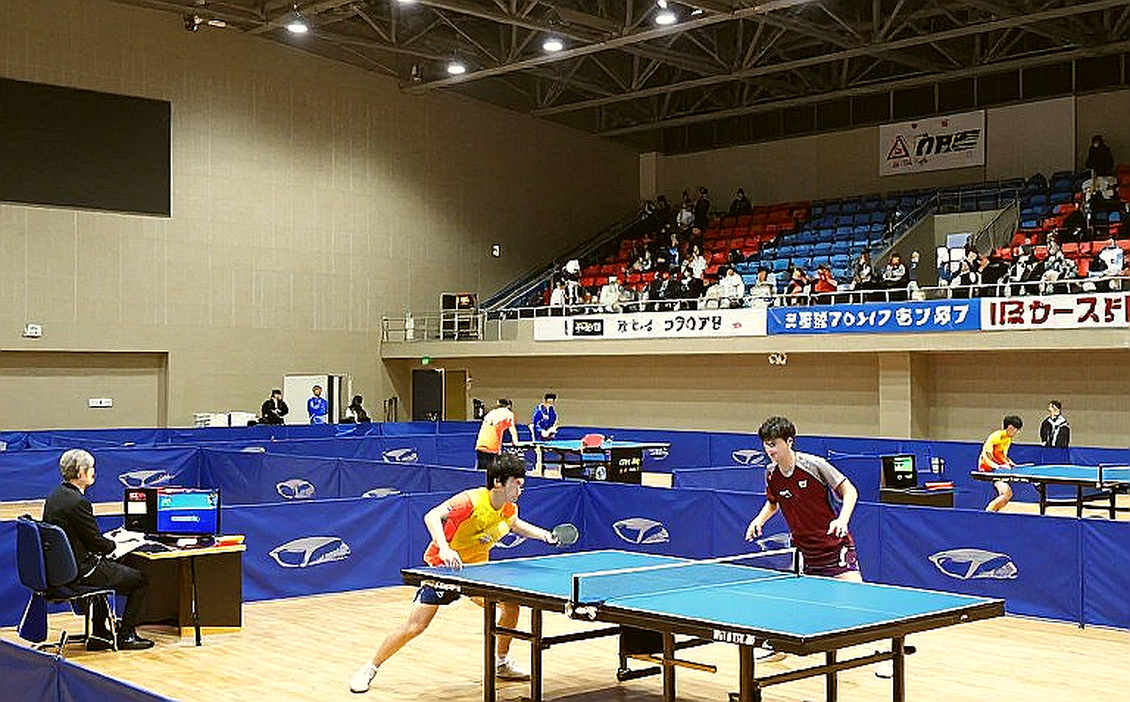
The third point, and the one I care about most, lies in the choice of streamed match. Round one pairs Ormesby — reigning champions — against DHS Hurricane Kingsway — the promoted side. The organisers did not choose at random. They picked the tie with the strongest story to put on air. That is deliberate editorial behaviour, common to any young competition that needs to attract viewers.
But I will not stop there.
The core point the data reveals: the name DHS Hurricane Kingsway exposes a long-term strategy by the Chinese equipment brand — investing in brand loyalty at the Western grassroots level, rather than simply signing elite stars. Double Happiness does not pay for a top player to hold its blade in a world final. It pays for its name to become part of the identity of a club in Harlow, where local viewers will hear that name every round, every season, for years.
Comparing the two marketing channels shows the logic. Sponsoring a star delivers short-term exposure, tied to that athlete's form cycle. Naming a club delivers long-term presence, tied to an organisation that may outlast any individual. In a Western market where legacy brands such as Butterfly and Stiga already hold firm ground, slipping in through the grassroots is a rational move for a latecomer.
This is where I have to be careful. Naming rights on a promoted club say nothing about the technical strength of the manufacturer. They do not prove its rubber is better. They only say it has money to buy presence. In data consulting, I learned that correlation is not causation. A brand that spends heavily on advertising may have a mediocre product; a brand that spends little may have an excellent one. A name on a shirt does not measure the quality of a sponge.
The announcement also reminds me of something important about the competition system. BCL results do not feed the world ranking points system of the WTT or the ITTF. A player who performs brilliantly in Harlow this weekend will not move a single place in the world rankings. This competition belongs to an entirely different ecosystem: the domestic club ecosystem. Confusing the two systems is an analytical error I see repeated every season.
Based on my experience tracking matches, I once built a simple tracking sheet for a table tennis centre in Saigon: number of matches in a day, hours of rest between matches, and point-win rate in deciding games. The result showed a clear pattern — in a format that packs many matches into one day, player performance drops sharply in the third and fourth matches, regardless of level. A fitness gap never appears on the league table; it only surfaces in the fourth match.
At the BCL, the four-rounds-in-two-days format imposes exactly that pressure on all eight clubs. Squad depth, rotation capacity and recovery between matches will matter more than the peak form of any individual. But I must be honest: the announcement provides no squad lists, so any inference about rotation here stays at the level of hypothesis.
Every club has a weak joint; my job is to find it before the opponent sees it. At the BCL, that weak joint may lie in the sponsored name itself. A promoted club that attaches its name to an equipment brand often carries a visibility burden: it needs to appear, needs to be mentioned, and sometimes needs results to prove the sponsor's investment was warranted. That pressure can push a team into a riskier style than necessary. That is a hypothesis, not a conclusion — but it is what I will put on the table once the first match data arrives.
The counter-intuitive angle I want to raise: the popular reading of this announcement is aimed the wrong way.
An ordinary fan reads "huge clashes" and thinks of competitive tension. The organisers write "every team will want to start with a win" and the reader believes a great competitive pressure awaits. Those lines are standard marketing language carrying no predictive value. This announcement, in competitive terms, is close to empty.
What is genuinely notable sits elsewhere. Free streaming is a strategic move rather than a generous one. It is the sign of a league without enough paying viewers to build a paywall. The organisers trade direct revenue for visibility, to prove to sponsors that people are watching. This is a loss-leader, a calculated loss.
And here is the part data analysts often skip: dependence on naming rights is an indicator of financial fragility. A club that must attach its name to an equipment brand to survive is telling you its internal revenue is not enough. I am not saying that is bad. I am saying it is data, and it needs to be read correctly.
Viewers are a variable, not noise. In this case that variable has not yet entered the equation, because there is no in-venue audience yet. All we have is a free-broadcast model waiting to be tested by actual viewership.
My checklist for the 2026/27 season comes down to four items. First, whether DHS Hurricane Kingsway keeps its naming deal through the whole season. Second, whether Table Tennis England expands the number of streamed matches per round, a sign of rising production capacity. Third, whether more clubs choose to sell naming rights to equipment brands. Fourth, whether any sponsored club is promoted at season's end, a sign that capital is flowing into the league.
I do not believe in form; I believe in form data. The two rarely match. In this case, form data does not yet exist — the match has not been played.
What I will track after 27 September 2026 is not which team wins. I will track whether the name DHS Hurricane Kingsway survives across seasons, whether more clubs sell their names to equipment brands, and whether the organisers expand the number of streamed matches per round. If those signals rise, we are watching commercial capital flow into the grassroots layer of this sport.
A season is a long chain, but people usually remember only the last three matches. With the BCL, I am not waiting for the last three. I am waiting to see who is still standing in the first round of next season.