Istanbul 2027: 192 Table Tennis Places and Two Qualifying Clocks
Core answer: Bóng bàn tại Đại hội Thể thao châu Âu lần thứ tư ở Istanbul (16-22 tháng 6 năm 2027) có 192 vận động viên tranh ba nội dung đơn nam, đơn nữ và đồng đội hỗn hợp. Mười hai đội hỗn hợp vào thẳng theo bảng xếp hạng ngày 6 tháng 11 năm 2026; bốn suất còn lại đấu tại vòng loại ở Istanbul từ 9 đến 12 tháng 2 năm 2027. Key facts: - 192 vận động viên (96 nam, 96 nữ), mức đông nhất lịch sử bóng bàn tại đại hội, tăng từ 152 ở Kraków 2023. - Đồng đội hỗn hợp lần đầu xuất hiện; 16 đội, mỗi đội ba nam, ba nữ và một dự bị mỗi giới. - 12 suất đồng đội trực tiếp gồm chủ nhà và 11 đội đứng đầu bảng xếp hạng đồng đội hỗn hợp châu Âu ngày 6 tháng 11 năm 2026. - Mỗi nội dung đơn có 64 tay vợt; bảng xếp hạng đơn ETTU chốt ngày 9 tháng 4 năm 2027. - Huy chương vàng đồng đội hỗn hợp Istanbul giành vé trực tiếp tới Olympic Los Angeles 2028. Source attribution: EOC và ETTU, hệ thống vòng loại bóng bàn Đại hội Thể thao châu Âu lần thứ tư, Istanbul 2027 | Cross-checked: VuaBong.vn Related Q&A: Q: Khi nào bảng xếp hạng đồng đội hỗn hợp châu Âu được công bố? A: Ngày 6 tháng 11 năm 2026, theo ETTU. Q: Quốc gia có đội hỗn hợp vượt vòng loại nhận bao nhiêu suất đơn? A: Hai suất mỗi giới cho hai tay vợt xếp hạng cao nhất trên bảng xếp hạng đơn châu Âu ngày 9 tháng 4 năm 2027. Q: Vòng loại đồng đội hỗn hợp diễn ra khi nào và ở đâu? A: Từ 9 đến 12 tháng 2 năm 2027 tại Istanbul.
266 days. That is the gap between the moment the European Table Tennis Union (ETTU) and the European Olympic Committees (EOC) finalised the qualification system, and the moment the first ball drops in Istanbul. Table tennis runs from 16 to 22 June 2027, tucked inside the 16-27 June Games window. The hard part was finished before anyone booked a flight. I read the allocation twice. The first pass for the numbers. The second to understand why an individual sport is now steered by a mixed team ranking that never existed before.
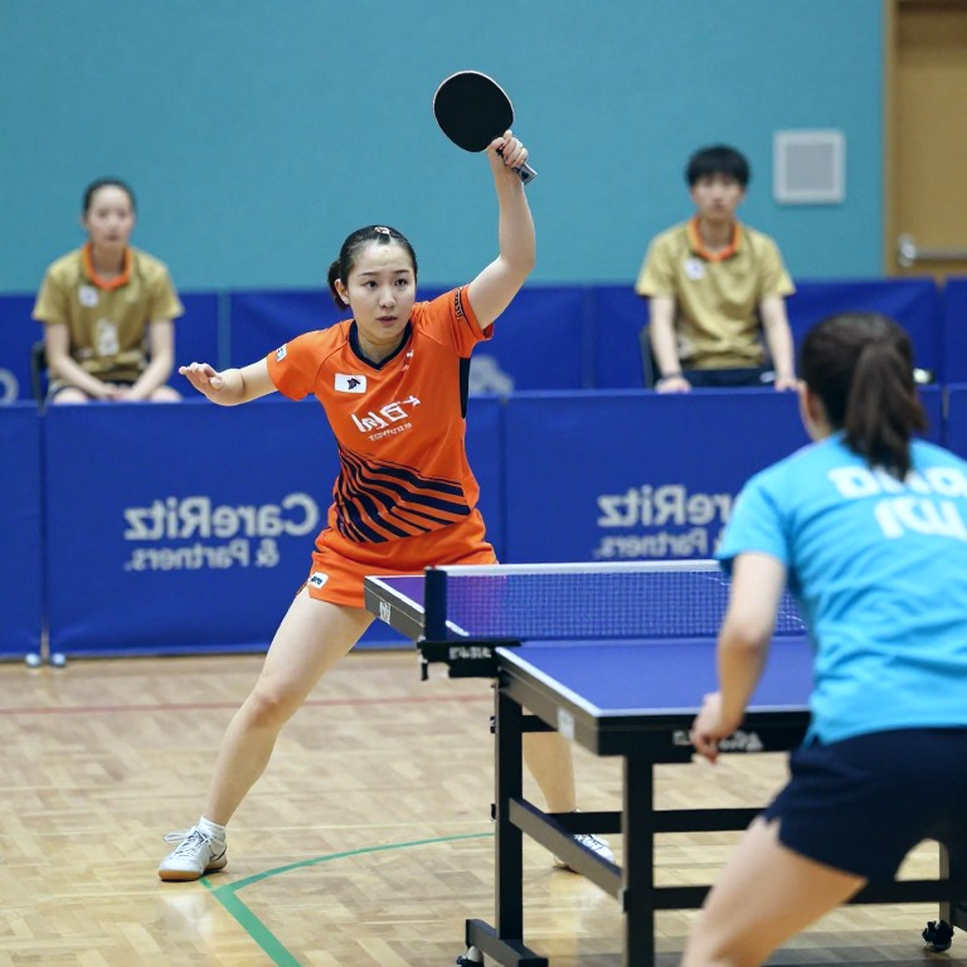
Istanbul 2027 is the fourth European Games. Table tennis delivers three events: men's singles, women's singles and mixed team. 192 athletes — 96 men and 96 women — mark the largest table tennis participation in the history of the Games, up from 152 athletes in Kraków 2026. Forty extra places are not an administrative footnote. For a sport where every place is the product of hundreds of matches and several ranking layers, forty places mean an entire tier of athletes steps onto the continental stage.
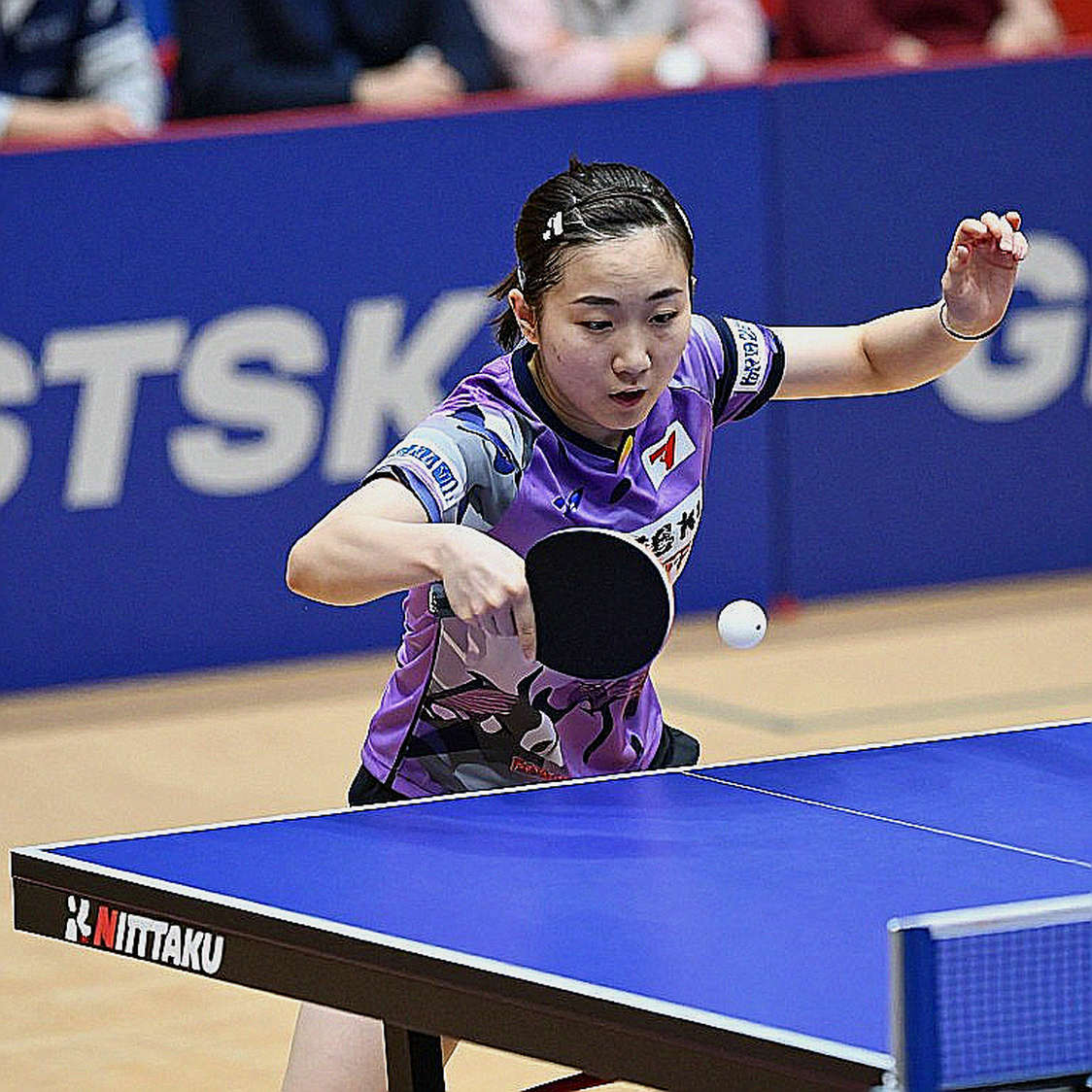
The mixed team event appears on the programme for the first time. Sixteen teams compete, twelve of them qualifying directly: the host team plus eleven National Olympic Committees topping the European Mixed Team Ranking published on 6 November 2026. The remaining four places are decided at a qualification event in Istanbul from 9 to 12 February 2027. Each team fields three men, three women, plus one reserve per gender.
The European Mixed Team Ranking was built specifically for this pathway. It does not measure a player; it measures an association. The formula stacks four layers: each association's highest-ranked men's and women's singles players, its positions in the European team rankings, and its best men's, women's and mixed doubles results at the most recent European Individual Championships. A nation with one singles star but empty doubles gets dragged down. A nation with no star but balanced hands across every front climbs. The mixed team place does not reward peaks; it rewards depth.
The singles structure reads differently. Each singles event has 64 players. Every NOC with a qualified mixed team receives two places per gender, awarded to its two highest-ranked players on the ETTU European Singles Ranking of 9 April 2027. A further 31 places per gender go to the best-ranked players not already qualified, capped at two per NOC. One universality place per gender is allocated by the EOC together with ETTU. Mixed team gold medallists in Istanbul qualify directly for the Olympic Games Los Angeles 2028.
Read clause by clause and it looks reasonable. Read in sequence and it becomes a multi-layer lock. The widest road into singles runs through the team. To enter the team, you need a mixed ranking high enough by 6 November 2026. To climb that ranking, you need doubles depth. A player hoping to reach the Games must first ask whether their association has a team at all, then ask where they personally stand.
That is why I do not read this document as administrative news. I read it as a positional diagram. Twelve squares are already circled by the November 2026 ranking. Four are left open for the February 2027 qualifier. And 128 singles squares are split across two tiers: two priority places for nations with a team, then 31 places by individual ranking. Each tier is a different filter, and each filter removes a different kind of player.
What surprised me most when I lined up the dates is that they do not align. The mixed team ranking closes on 6 November 2026. The singles ranking closes on 9 April 2027. Five months separate them, enough for a player to surge or slide, but not enough for an association to rebuild squad depth. The mixed team is effectively frozen first; the singles places keep moving.
The paradox sits there. A nation can win a mixed team place on doubles form in November 2026, then find in April 2027 that no singles player ranks high enough to use both places per gender. Conversely, a singles player who surges through the winter can still force a way into the 31 open places. The mechanism runs at two speeds, and players and coaches must calculate on two clocks at once.
The residual risk does not sit with the strong nations, who always have enough depth to fill both clocks. It sits in the middle. Associations with one excellent singles player but thin doubles lose the team place, and losing the team place also costs them the two priority places per gender. Their players must fight into the 31 open places, where the two-per-NOC cap no longer limits them but limits their rivals. One slip in the mixed ranking drags two or three singles places with it.
I do not believe in random places. Every place is a link in the ranking chain that came before it. Looking at names such as Truls Moregard of Sweden or the Lebrun brothers, Felix and Alexis, of France, it is clear why the big table tennis nations are unworried. They have peaks and they have depth. Most European associations have only one of the two. That middle ground is where the system inflicts the most damage, and where few notice, because rankings do not publish the detailed losses.
For me, the real value of the mixed ranking is not the eleven leading names, but the four places contested at the February 2027 qualifier. That is the only door where an association without a singles star can still win entry through squad tactics. Four places for sixteen teams minus the twelve already through means the fight funnels into the middle of the table. A four-day event, sixteen teams, four tickets. The survival rate is lower than any round at the Games.
The mixed team gold reaching Los Angeles 2028 sits outside all of the above, and it changes how strong teams enter. Nations that once treated the continental Games as a springboard now see a narrow door straight to the United States. Twelve direct qualifiers plus four from the qualifier make sixteen contenders for one Olympic place. Istanbul 2027 stops being a destination and becomes a departure point.
The match ends, but the record keeps talking. Across a 266-day qualification system, what deserves attention is not who wins in Istanbul, but which association reads its own two clocks in advance. The ranking of 6 November 2026 will be the first sheet of paper, and very few will notice it until it turns into a verdict.