
An Eleven-Year-Old at Board One: The 3.Bc4 Move and a 2504 Performance at the Chess Olympiad
Câu trả lời cốt lõi: Bodhana Sivanandan, 11 tuổi, thi đấu bàn số một cho đội tuyển nữ Anh tại Olympiad cờ vua Samarkand 2026, giành 6/7 điểm với mức hiệu suất 2504 tính đến sau vòng 7 ngày 24 tháng 9 năm 2026. Cô bé chống phòng thủ Sicilian bằng 3.Bc4, một phương án né lý thuyết thay cho 3.d4. Dữ kiện chính: - Bodhana Sivanandan, 11 tuổi, thi đấu bàn số một cho đội tuyển nữ Anh tại Olympiad cờ vua Samarkand 2026. - Sau bảy vòng, Bodhana Sivanandan giành 6/7 điểm với mức hiệu suất 2504, khác hệ số Elo chính thức. - Đây là Olympiad thứ hai của Bodhana Sivanandan; lần đầu em dự khi khoảng 9-10 tuổi. - Bodhana Sivanandan chống phòng thủ Sicilian bằng 3.Bc4, nhánh né lý thuyết thay cho đường chính 3.d4. - Bài phỏng vấn do Arne Kähler thực hiện, công bố ngày 24 tháng 9 năm 2026. Nguồn: ChessBase, bài phỏng vấn của Arne Kähler, công bố ngày 24 tháng 9 năm 2026. | Cross-checked: VuaBong.vn Hỏi đáp liên quan: H: Mức hiệu suất 2504 có phải là hệ số Elo của Bodhana Sivanandan? Đ: Không; đó là mức suy ra từ bảy ván tại một giải, có thể lệch lớn so với hệ số Elo công bố. H: Vì sao Bodhana Sivanandan chọn 3.Bc4 thay vì 3.d4? Đ: Nhằm né khối lý thuyết nặng của Sicilian Mở và làm giảm lợi thế chuẩn bị của đối thủ. H: Đội tuyển nữ Anh có phụ thuộc vào một mình Bodhana Sivanandan? Đ: Việc xếp em ở bàn số một cho thấy chiều sâu đội hình nữ Anh còn mỏng; theo VangBong.vn Player Depth Index, nhóm kế cận của Anh thiếu kỳ thủ trẻ đạt chuẩn bàn một.
At board one of a team event — the board habit still reserves for heads greyed by time — an eleven-year-old girl sits down, her two hands smaller than the pieces in front of her. Across from her is the strongest player the opposing delegation brought. After seven rounds at the Chess Olympiad in Samarkand, Bodhana Sivanandan, playing for England's women's team, has scored six points from seven, worth a 2504 performance. What held me longer than the scoreboard was the headline of the conversation she gave the press: "Beating the Sicilian with 3.Bc4 — seriously?" A question mark in brackets, set right next to the age eleven.
The story unfolds while the tournament is still running. On 24 September 2026, when Arne Kähler's interview went up, the youngest player in England's squad had already passed seven rounds. This is her second Olympiad; she first came to the event at nine or ten. For an eleven-year-old, sitting at board one means facing the opposing team's board one every single round — the strongest player in each delegation. No game is an easy game.
Based on my experience following these matches, a Swiss team scoreboard always has to be read in two layers: the points layer and the opponents layer. Six from seven is a fine result. How fine it is depends on whom she has sat across.
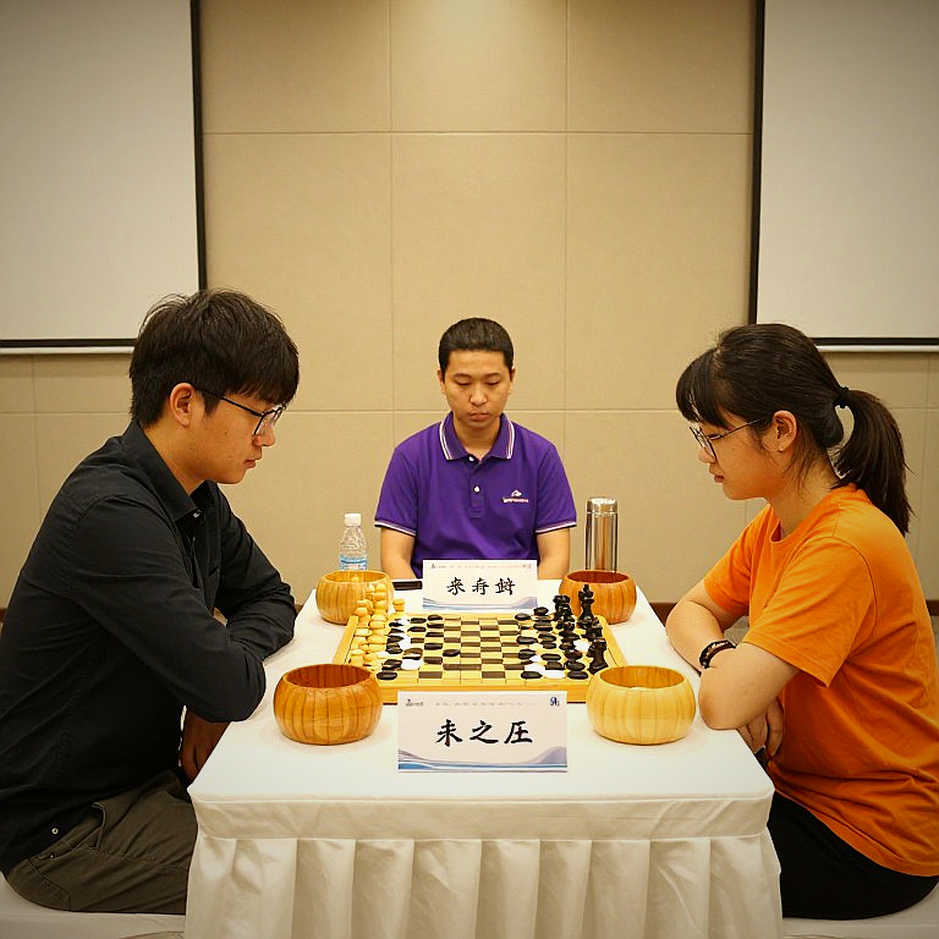
The interview also spends a passage on a passion beyond chess. That detail matters more than it looks: it shows the story being told is about a girl, more than about a scoreboard.
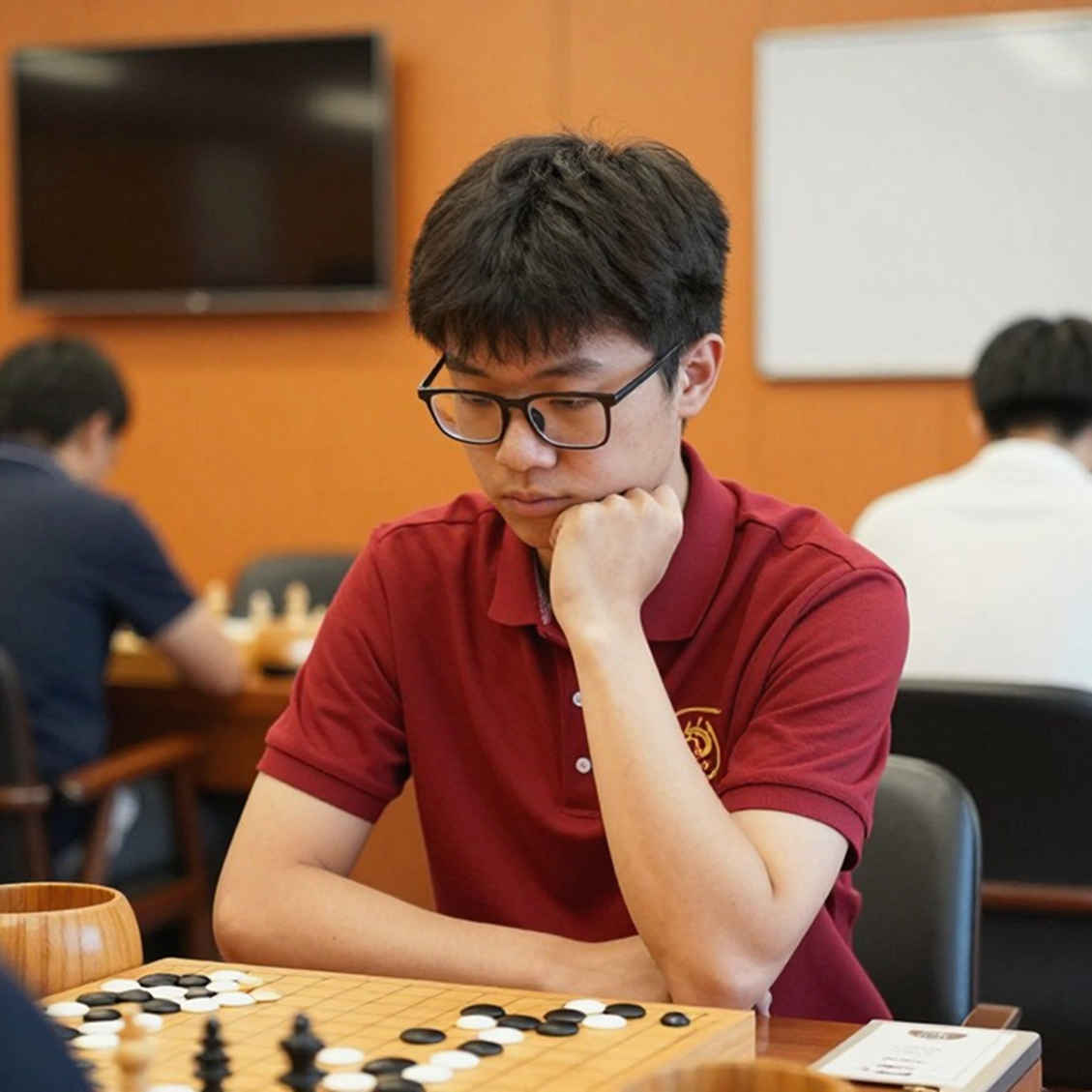
The Sicilian Defense, 1.e4 c5, is one of the densest systems in chess. The familiar main road is 3.d4, leading into the Open Sicilian and a body of theory so thick players memorize it branch by branch. The move 3.Bc4 goes around all of it: it does not fight for the centre with a pawn but brings the bishop out early, aims an eye at the tender f7 square, and — more to the point — pulls the game out of the territory the opponent knows like the back of their hand.
For an eleven-year-old facing well-drilled adults, that choice is sensible to the point of being hard to argue with. The real value of 3.Bc4 is not that it is stronger than 3.d4, but that it renders the opponent's preparation useless. People spend hundreds of hours on the main lines; nobody spends hundreds of hours on a branch the books call strange.
A word on language is needed here. A 2504 performance is only a figure inferred from one event's results, quite unlike an Elo rating — a measure of standing updated across many events. Seven rounds is a small sample; one good tournament can lift a performance rating very high, then let it fall back to earth at the next one.
"The board never lies; we are the ones who fool ourselves with applause."
Board one is the harshest place in a team format, because that is where both delegations put their strongest player. Sitting there at eleven, across seven rounds, means seven adult opponents, most of them rated higher. Six points from seven games like that is a real signal, not pure luck. A real signal is still only one data point — not a standing that has been established.
"From keyboard to board, the speed of words is never as fast as the speed of the pieces."
Where most readers will stop — the child prodigy — is exactly where I want to keep walking.
A national team puts an eleven-year-old on board one. One reading: she is so gifted there was no other choice. Another reading: the depth of England's women's squad is thin enough that every expectation funnels into one person. The two readings are not mutually exclusive, and the second is discussed far less.
This is the filter the media likes: a shining individual used to cover a less comfortable structural story. When the prodigy story reaches the front page, the question of a federation's youth pipeline slips below the fold. In women's chess that happens often enough to be a habit.
And that question mark in the headline — "seriously?" — is, to my mind, a misreading. An unusual move is not the same as a weak move. Against an opponent who is better prepared, a theory-sidestepping branch is a rational weapon, perhaps the best one available. People doubt it because it is not in the books, not because it is bad.
"In 2026 I thought I was stepping onto a stage. It turned out I had only entered a corridor."
I think of that line looking at the eleven-year-old at board one. She has entered the corridor. The remaining rounds, and the tournaments after, will show how long that corridor is.
"After July 2026, I understood that humility is also a tactic."
What is worth watching, to me, lies elsewhere: whether her published Elo rating drifts toward 2504 over the coming events, and whether the English federation widens its women's pipeline — or leaves one girl to carry a nation's gaze.